From Snoop’s Studio to Steph’s Three: The Untold Story
For 16 years, a piece of cultural history has been lost in the vaults of the internet, a secret ingredient in the NBA’s multi-billion dollar Christmas recipe. It wasn’t a league memo, a marketing masterstroke, or a secret TV deal that cemented basketball’s dominance on December 25th. It was a freestyle. In a 2008 studio session, shrouded in cigar smoke and West Coast cool, Snoop Dogg laid down an off the cuff holiday rhyme that would inadvertently become the spiritual manifesto for the modern NBA Christmas Day spectacle. As the league prepares for another slate of marquee games, the ghost of that session echoes through every crossover, every step back three, and every viral highlight. This is the untold story of how a Doggfather’s holiday wish became the unspoken blueprint for the most watched day on the basketball calendar.
The Cypher Heard ‘Round the World: Snoop’s 2008 Holiday Blueprint
The year was 2008. The NBA on Christmas, while popular, was not yet the undisputed, day-long national event it is today. It competed more directly with NFL Sundays and holiday movie marathons for family attention. That winter, in a Los Angeles studio, Snoop Dogg was recording promo material. Between takes, the beat dropped into something slower, jazzier, inherently festive. What followed wasn’t a planned single for radio; it was a pure, unfiltered freestyle a holiday wish from the heart of hip-hop. Over a smooth, sleigh bell adjacent groove, Snoop flowed: “Just wanna wish everybody a Merry Christmas / And a Happy New Year, from the Dogg to the universe… / Keep your head up, stay positive / And enjoy the time with your family and friends.” The content was simple, warm, universal. But the context was everything.
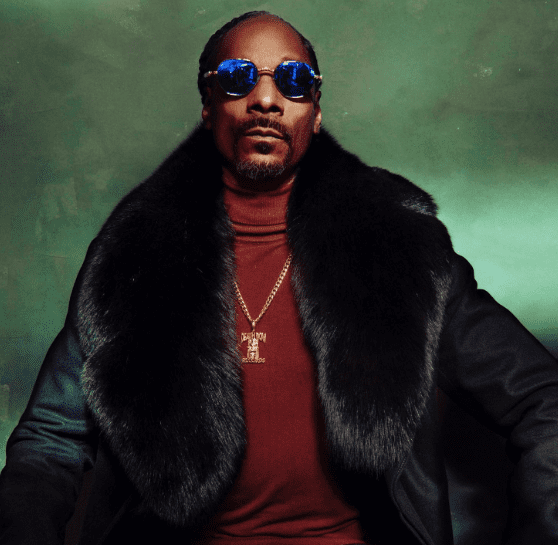
Here was Snoop Dogg the icon of gangsta rap, the personification of street cool delivering a heartfelt, inclusive holiday message directly to the camera, to “everybody.” He wasn’t just a rapper; he was a cultural supernode, connecting street corners to suburban living rooms. This freestyle, which later surfaced on YouTube and niche blogs, did something profound. It presented a vision of the holiday that was not traditional, stuffy, or silent night quiet. It was cool. It was hip. It was community focused. It was, in essence, entertainment as a communal holiday experience. Unknowingly, Snoop had just narrated the perfect vibe for what the NBA Christmas product aspired to be: a shared, exciting, culturally relevant event that felt like a gift to its fans.
The NBA’s Perfect Storm: How the League Hijacked the Vibe
The NBA, under the guidance of Commissioner David Stern and later Adam Silver, was already a league uniquely positioned to capitalize on this shifting cultural mood. While the NFL was the institution and MLB was the pastime, the NBA was the personality. Its stars were global, outspoken, and intertwined with music and fashion in a way other sports weren’t. Snoop himself was a legendary courtside fixture, a bridge between the hip-hop world and the hardwood. The league watched as the communal, celebratory, “for everybody” energy of Snoop’s freestyle and the broader culture it represented resonated. They didn’t need to make Christmas formal; they needed to make it a show. A show that, like Snoop’s rhyme, you wanted to experience with your people. The strategy became clear: double down on star power, narrative, and spectacle.
They scheduled must-see matchups Kobe vs. LeBron, the Heatles vs. the Bulls, the Warriors vs. the Cavs. They encouraged player expression, from bold Christmas Day edition sneakers to post game interviews that felt like part of the drama. The broadcast itself became an event, with hip-hop and R&B heavy soundtracks, slick graphics, and a presentation that felt more like a blockbuster premiere than a sporting event. They weren’t just presenting basketball games; they were curating a day long festival of cool, exactly the vibe Snoop had casually bottled. The NBA became the family gathering where you didn’t have to talk to your uncle about politics; you could just marvel at a LeBron chase down block or a Steph Curry logo three together.
The Christmas Day Machine: From Snoop’s Vision to Billion Dollar Reality
The results of adopting this “Snoop Blueprint” are staggering. NBA Christmas Day has transformed into a financial and cultural juggernaut. It is the league’s highest-rated regular season window by a massive margin, routinely drawing over 25 million total viewers across its quintuple-header. Television rights fees for this single day are believed to be valued in the hundreds of millions, a cornerstone of the league’s $24 billion media deal. The social media impact is volcanic, with Christmas Day games generating billions of impressions as highlights, memes, and debates flood Twitter, Instagram, and TikTok. It is the one day where the NBA owns the American sports conversation completely, with the NFL traditionally dark. This dominance is no accident.
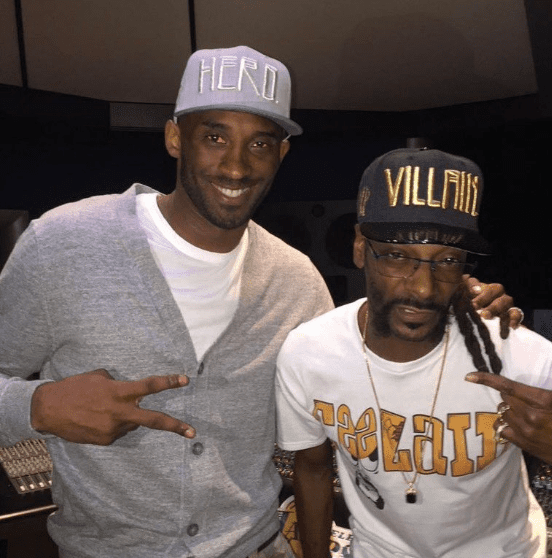
It’s the execution of a vibe. The games are chosen for narrative (young stars vs. legends, bitter rivalries, title rematches), ensuring the drama Snoop embodied in his music is present on the court. The players embrace the stage, knowing it’s their biggest regular season spotlight. From the Lakers’ classic white uniforms to the annual release of themed player editions by Nike and Jordan Brand, every detail is curated to feel special, gift like, and culturally plugged in. The day is no longer just about basketball; it’s about being at the center of the cultural conversation, a shared national experience wrapped in the exact cool, positive, communal energy Snoop Dogg freestyled into existence.
The 2025 Slate: Living Proof of the Doctrine
This year’s Christmas Day schedule, announced with the tagline “Don’t miss NBA Christmas Day action all day,” is the purest embodiment of the Snoop Doctrine yet. The lineup is a masterclass in giving “everybody” something to watch. It starts with a youthful, explosive showcase likely featuring a team like the Orlando Magic or Oklahoma City Thunder, capturing the “new school” energy. It progresses to legacy defining games, perhaps featuring the Lakers or Warriors, appealing to the tradition and star power that parents grew up with.
The primetime slot is reserved for the heaviest hitter a Finals rematch or a clash between MVP frontrunners like Luka Dončić and Giannis Antetokounmpo, creating the can’t-miss event for the hardcore fan. Every demographic is catered to, every narrative thread is pulled, ensuring the day-long event feels like a curated playlist, not a random assortment of games. The promotional material leans heavily into family, celebration, and spectacle direct visual translations of Snoop’s “enjoy the time with your family and friends” over a mesmerizing highlight reel. It’s a holiday wish delivered through basketball.
The Legacy: A Freestyle That Framed a Tradition
Snoop Dogg’s 2008 holiday freestyle did not cause the NBA to create Christmas Day games. That tradition dates back to 1947. What it did, however, was perfectly articulate the feeling the modern NBA needed to own to transform that tradition into a cultural monopoly. It provided a north star: be cool, be inclusive, be the soundtrack and the spectacle of the holiday. The league, smarter than most corporations at reading cultural waves, absorbed that lesson not from a boardroom, but from a studio.
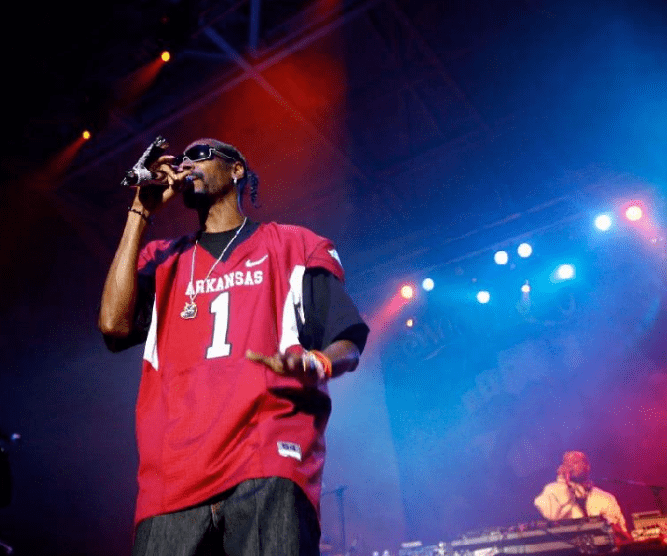
So, as you settle in tomorrow for 12 hours of basketball, from the first tip to the final buzzer, understand what you’re witnessing. You’re not just watching games. You’re living inside a 16 year old rhythm, a Doggystyle holiday wish that grew up, put on a uniform, and learned to shoot a step back three. The NBA didn’t just take over Christmas. They followed Snoop’s lead. And as he might say, with a chuckle and a puff of smoke, they absolutely nailed the assignment.