“Shameful”: Steve Kerr Condemns Federal “Lies” and “Murder” of Renee Good
Golden State Warriors coach Steve Kerr has again stepped beyond the sidelines to confront a national crisis. On Friday, ahead of his team’s game, Kerr delivered a searing, emotional rebuke of the U.S. government’s handling of the police killing of 37-year-old Renee Nicole Good in Minneapolis.
His words “shameful,” “lie,” and “murder” cut through the usual sports commentary, framing the incident not as a tragic accident but as a systemic failure demanding public outrage.
“I’m glad that the Timberwolves recognized her life and the tragic nature of her death,” Kerr began, commending the Minnesota team for holding a moment of silence. He then turned his focus to the authorities. “It’s shameful, really, that in our country we can have law enforcement officers who commit murder and seemingly get away with it.
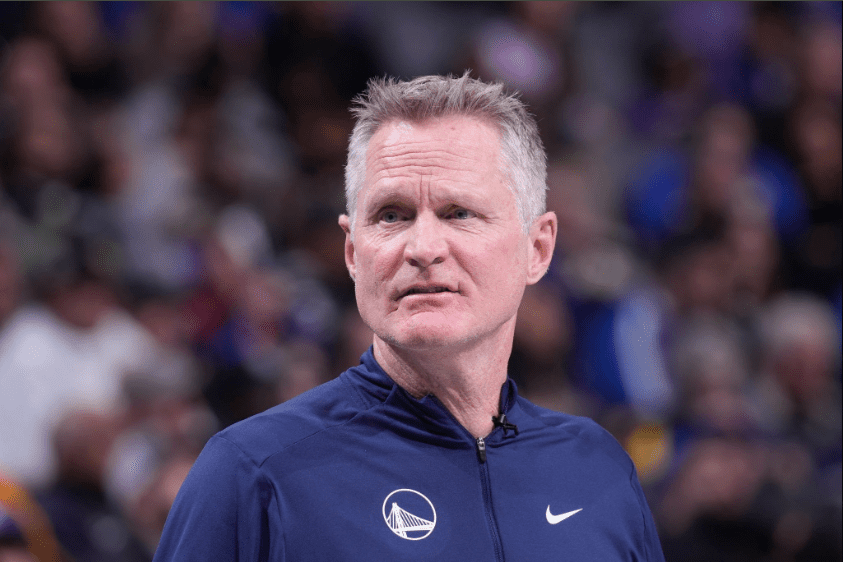
It’s shameful that the government can come out and lie about what happened when there’s video and witnesses who have all come out and disputed what the government is saying”.
For Kerr, a longtime advocate for gun control and social justice, the tragedy was personal and political. “So very demoralizing, devastating to lose anyone’s life, especially in that manner,” he said. “It’s terrible, terribly sad for her family, and for her, and that city”.
A Mother, a Poet, a Life Cut Short
Renee Nicole Good was more than a headline. She was a 37-year-old award-winning poet and a mother of three children, ages 15, 12, and six. She had recently moved to Minneapolis from Missouri and was an alumna of Old Dominion University, which paid tribute to her following her death.
According to her husband, on the morning of January 7, she had just dropped her youngest son off at school before the fatal encounter.
The incident occurred on Portland Avenue in South Minneapolis, where Good’s brown SUV was parked, partially blocking a traffic lane. U.S. Immigration and Customs Enforcement (ICE) agents, conducting operations in the area, approached her vehicle.

Video footage from bystanders shows agents ordering her to exit the car. After an agent tried to open the driver’s side door and another stepped in front of the vehicle, Good began to drive forward. An agent, later identified as Jonathan Ross, then fired three shots into the car, killing her.
Clashing Narratives: “Self Defense” vs. “Murder”
In the aftermath, two starkly different stories emerged, placing Kerr’s accusation of government lies at the center of a national firestorm.
The federal government, led by President Donald Trump and administration officials like Department of Homeland Security Secretary Kristi Noem, asserted the agent acted in justified self-defense. They claimed Good “violently, willfully, and viciously ran over the ICE Officer,” using her vehicle as a weapon in what Noem called an “act of domestic terrorism”.
Officials stated Good was a member of “ICE Watch,” a group that monitors and interferes with federal immigration operations, and had followed agents that day, blocking the road to impede their work.
This narrative was met with immediate and forceful rejection from local leaders, witnesses, and the public. Minnesota Governor Tim Walz and Minneapolis Mayor Jacob Frey publicly disputed the federal account, with Frey reportedly dismissing it as “garbage” based on the video evidence.
Eyewitnesses at the scene told local media that Good posed “no threat” to the agents. The widely circulated video appeared to show the shooting occurred as she drove past the agent, not toward him.
The conflicting stories fueled immediate protests in Minneapolis and beyond, with calls for justice and the disbandment of ICE. The tension spilled into the sports world during the Timberwolves’ moment of silence, when a fan shouted, “Go home, ICE!” a cry met with cheers from the crowd.
A League Reacts: Mourning and Solidarity
The NBA community, no stranger to social justice advocacy, responded with a mix of mourning and solidarity. The Minnesota Timberwolves’ decision to hold the moment of silence was an independent organizational choice, not a league mandate, highlighting the local impact of the tragedy.
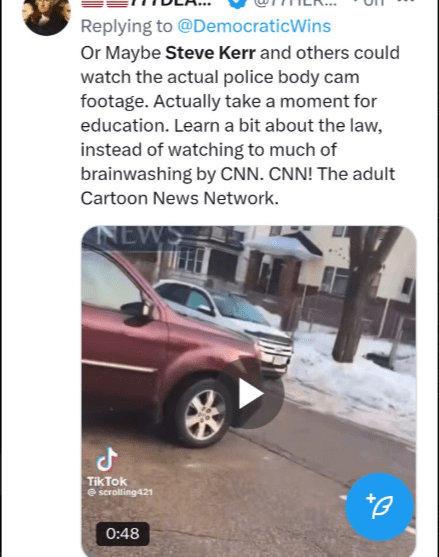
Before the game, Timberwolves head coach Chris Finch addressed the media, his tone somber and community-focused. “As we all know, our community has suffered yet another unspeakable tragedy,” Finch said.
“We want to just convey our condolences and heartfelt wishes and prayers and thoughts to the families and loved ones and all of those that are greatly affected by what happened”. He emphasized that the team’s concern was outward, for Good’s family particularly her three children and the traumatized city.
Milwaukee Bucks coach Doc Rivers offered an even blunter assessment, aligning with Kerr’s forceful language. “What happened in Minnesota was a straight-up murder, in my opinion,” Rivers said. “And it’s awful… The whole ICE thing is, it’s a travesty”.
Kerr’s Activist Legacy: From Personal Tragedy to Public Crusade
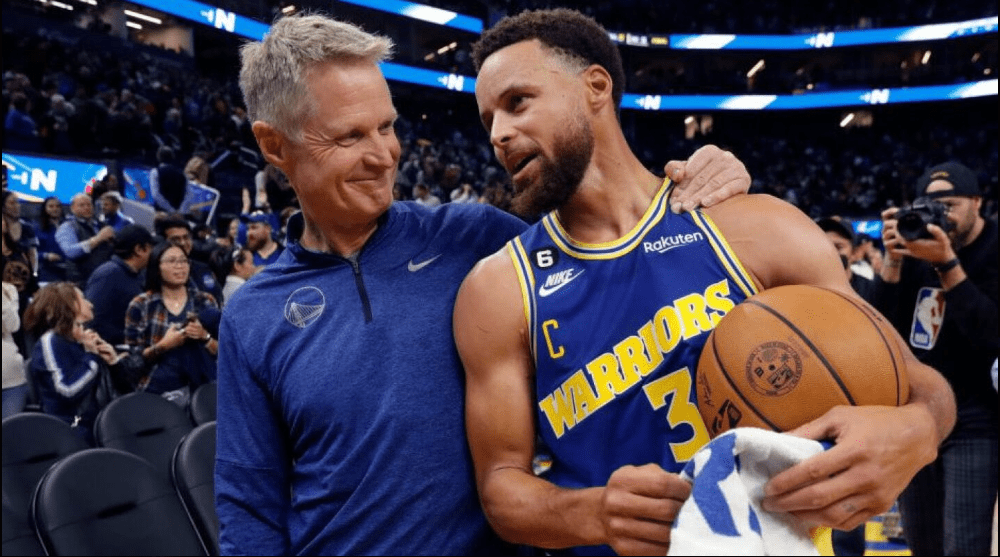
Steve Kerr’s condemnation did not emerge in a vacuum. It is the latest chapter in his decade-long evolution as one of American sports’ most consistent and passionate activist voices.
His advocacy is rooted in profound personal loss: his father, Malcolm Kerr, president of the American University of Beirut, was assassinated in 1984. This experience has informed his lifelong stance against gun violence and political instability.
As head coach of the Warriors since 2014, Kerr has repeatedly used his platform. He has been a vocal critic of the Trump administration, wearing a Harvard shirt to “stand up to the bully” after the president targeted the university and speaking at the 2024 Democratic National Convention.
He has attended “No Kings” protests against federal overreach and consistently called for gun reform following shootings in Oakland and elsewhere.
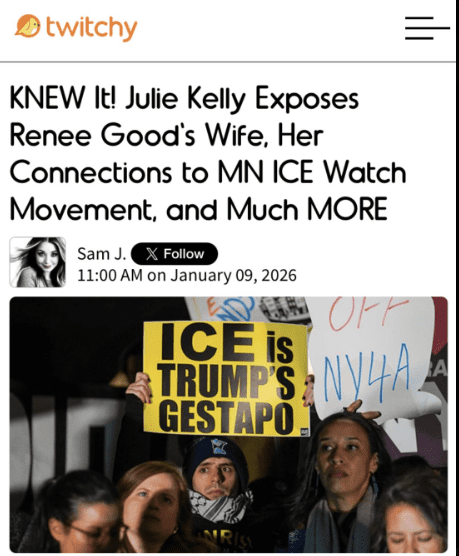
His comments on the Good shooting, therefore, fit a clear pattern. They reflect his belief that coaches, like all citizens, cannot afford to be silent in the face of injustice.
“It’s human nature to just not want to deal with this stuff, and it’s human nature to just think this is so horrible, let’s not think about it,” he said in December after a mass shooting. “We have to think about it”.