Clapping Back at the Critics: Giannis Antetokounmpo Defines His Milwaukee Legacy on His Own Terms
A Watershed Moment in Milwaukee
The sound that echoed through Fiserv Forum on January 14, 2026, was not just one of basketball disappointment; it was the sound of a fraying bond. As the Milwaukee Bucks stumbled to an embarrassing 139-106 home loss to the Minnesota Timberwolves who were without stars Anthony Edwards and Rudy Gobert he frustration of the fanbase boiled over into a chorus of boos.
For the first time in his 13-year career, Giannis Antetokounmpo, the franchise’s cornerstone and the player who delivered a championship to Milwaukee, was being serenaded with the jeers of his own supporters.
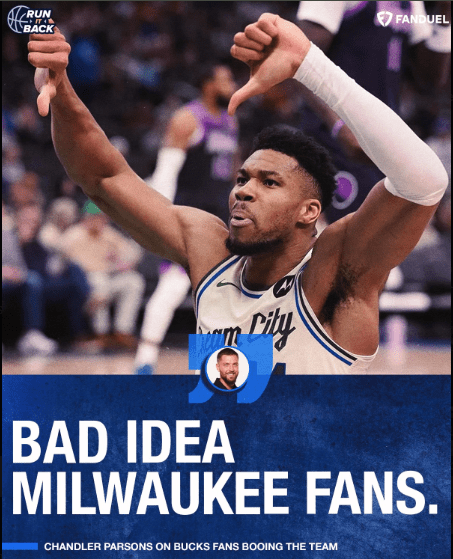
The team’s performance was indefensible. Down 31 points at halftime and showing little fight, the Bucks embodied a season spiraling out of control. But the night became historic not for the lopsided score, but for Giannis’s visceral response.
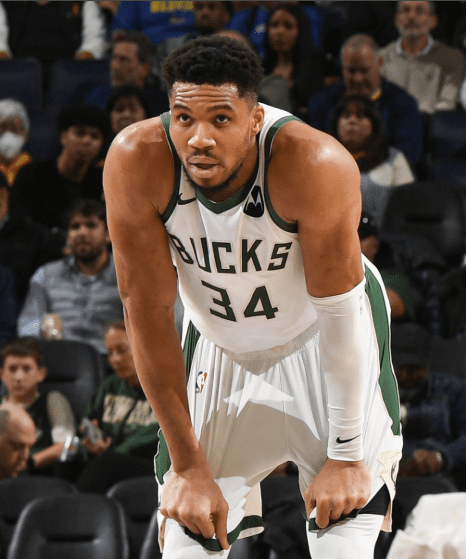
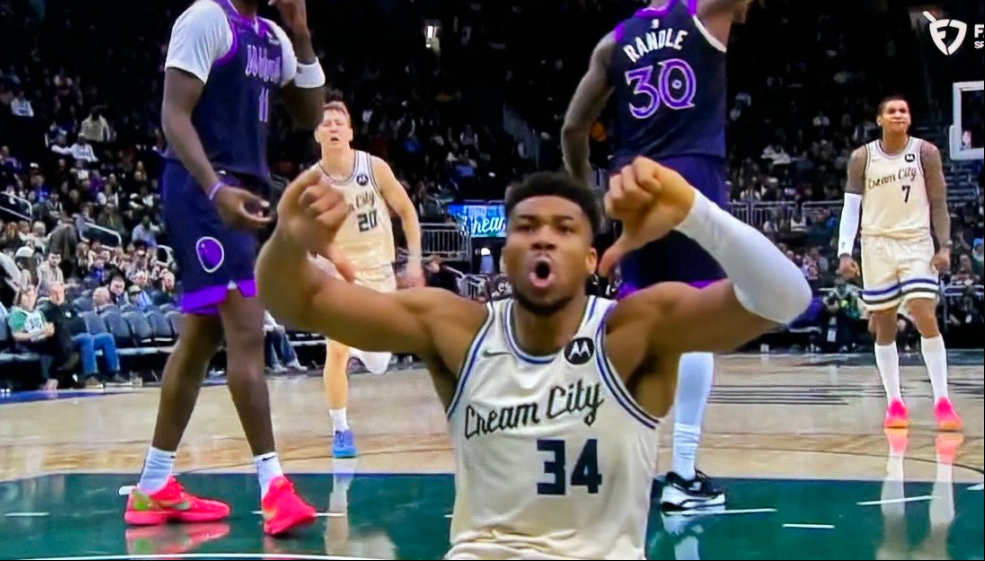
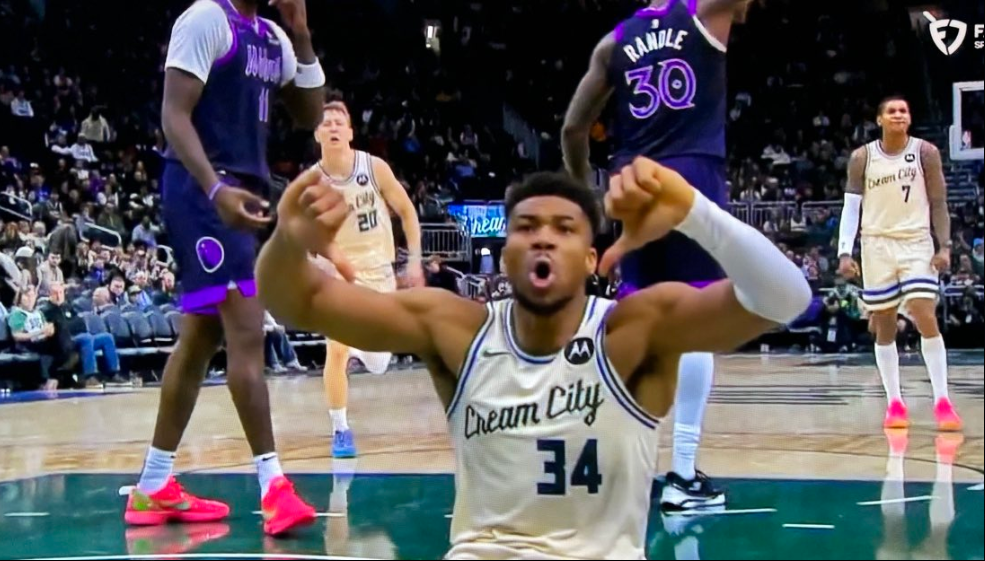
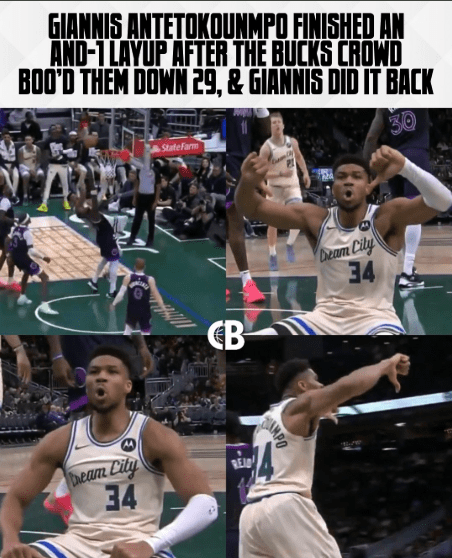
After scoring an and-1 layup to start the third quarter, the “Greek Freak” rose, looked directly at the stands, gave a double thumbs down gesture, and booed loudly back at the crowd.
It was a watershed moment—a public fracture in the relationship between a city and its adopted son. Giannis later confirmed the intent: “I was definitely booing back. When I get booed, I boo back. I’ve been doing that all season.”
“I Don’t Think It’s Fair”: The Maverick Mindset
In the post-game interview, Giannis did not apologize. Instead, he articulated a personal philosophy forged in adversity, a mindset he calls that of a “maverick.”
“When people don’t believe in me, I don’t tend to be with them. I tend to be against them,” he stated, explaining his defiant reaction. He acknowledged the uniqueness of the moment being booed at home but stood by his right to respond. “I haven’t been a part of something like that before, and I don’t think it’s fair.”
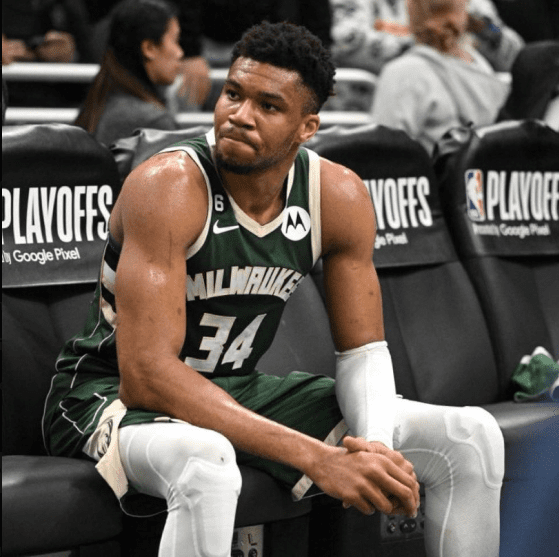
The core of his argument was one of earned respect. Having poured over a decade of his life into transforming the Bucks from an afterthought into champions, he rejected the idea that anyone could dictate his demeanor. “I don’t think anybody has the right to tell me what or how I should act on the basketball court after I’ve been here 13 years and I’m basically the all-time leader in everything,
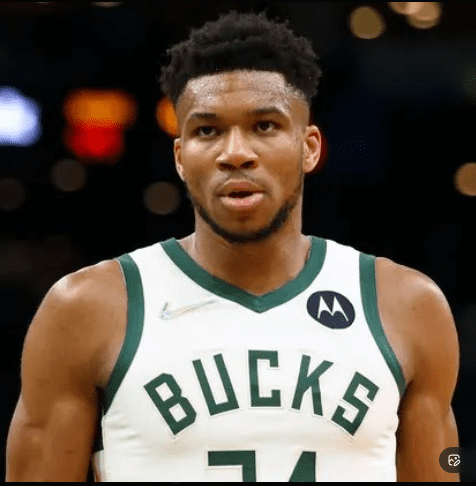
“ Giannis declared, his voice a mixture of pride and defiance. For him, this wasn’t about disrespecting fans; it was about defending the integrity of his effort and the unprecedented body of work he had given to Milwaukee.
The Trade Deadline Looming: A Reiterated Loyalty
The incident occurred against a backdrop of relentless trade speculation. For years, whispers about Giannis’s future have swirled, crescendoing in 2025-26 with rumors of a preferred trade to the New York Knicks. Every comment he made about the team’s direction was parsed for hidden meaning.
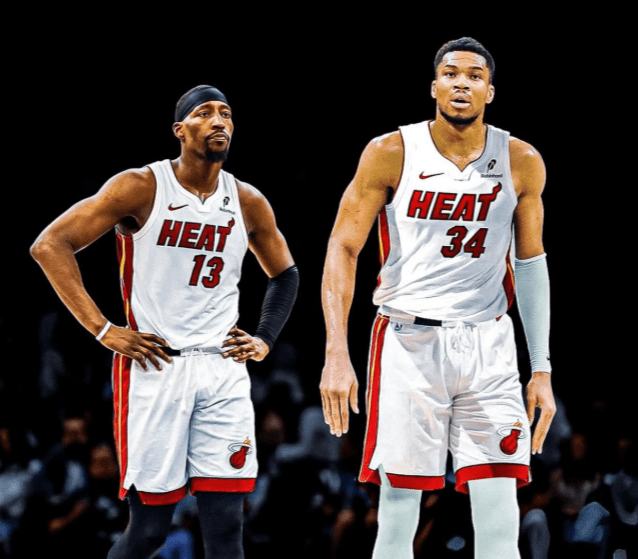
“I am not [going anywhere]. I am invested in this team. I want to turn this team around… I want to win games,” Giannis insisted. He reiterated a stance he had held for years: “There will never be a chance, and there will never be a moment that I will come out and say, ‘I want a trade.’ That’s not … in … my … nature. OK?”
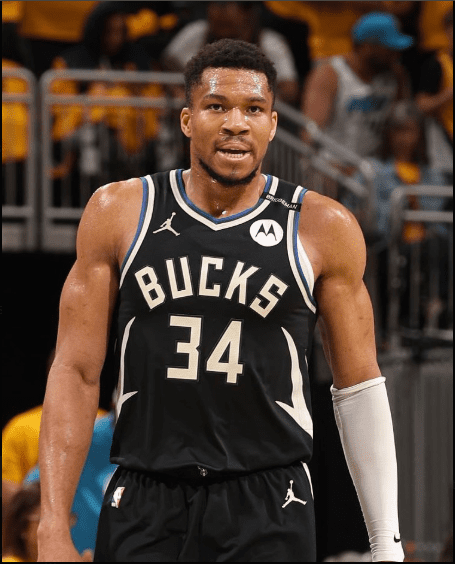
His plan, he said, was to be a Buck for life, though he pragmatically noted that decision ultimately rested with the front office as well. He framed his commitment in monumental terms: “I am locked the f— in. I’m locked in… I am 1 million percent committed to my teammates, to my craft, to this team and to this city.”
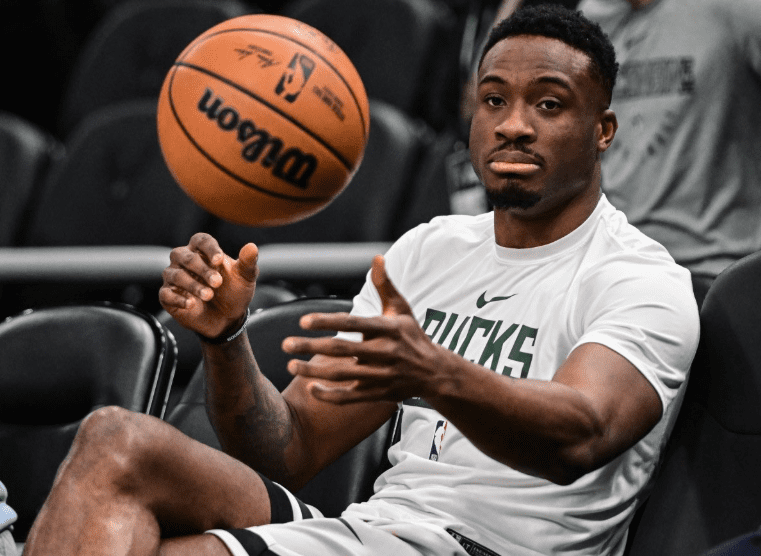
Despite these forceful declarations, a seed of doubt remained, fed by the team’s underperformance and his own emotional outburst. Analysts and former players, like Iman Shumpert, openly speculated, “He doesn’t want to play there anymore.” The list of potential suitor eadlined by the Knicks, Miami Heat, and Brooklyn Nets grew in the rumor mill.
A Legacy at a Crossroads
The story of Giannis Antetokounmpo and Milwaukee is one of the most beautiful in modern sports: a raw, unknown talent from Greece growing into a two-time MVP and delivering a championship to a long-suffering city. But the final chapters are often the most complicated.
The booing incident laid bare the tensions inherent in that relationship the fanbase’s right to demand effort for their investment, and the superstar’s belief that his historic contributions have earned him a measure of grace and autonomy.
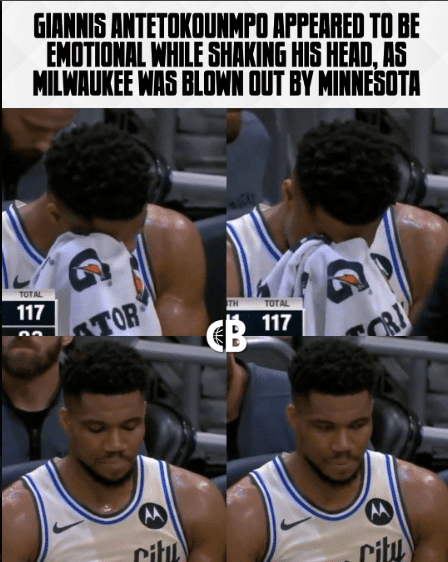
Giannis’s reaction was not that of a player giving up, but of a fiercely proud competitor who uses slights, real or perceived, as fuel. His “maverick” mentality is what drove him from selling trinkets on the streets of Athens to the pinnacle of the NBA. Now, that same mentality is being tested not by opponents, but by the very people who have cheered him loudest.
Is this the beginning of the end, or merely a painful moment in a story that will ultimately conclude with a statue outside Fiserv Forum? Giannis has stated his desire to stay and fight. The coming weeks, leading to the trade deadline and beyond, will reveal whether the fracture can be repaired or if the mutual frustration has reached a point of no return.