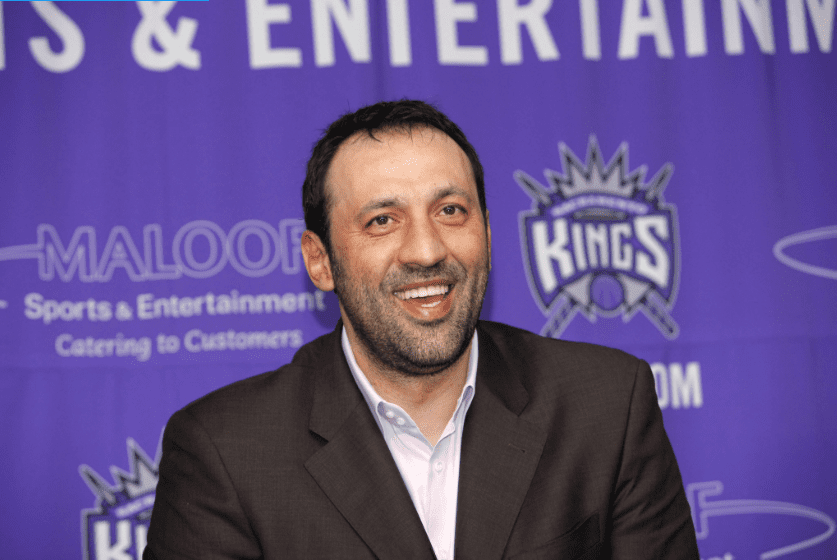
A Friendship Divided: How War Tore Apart Basketball’s Yugoslav “Golden Generation”
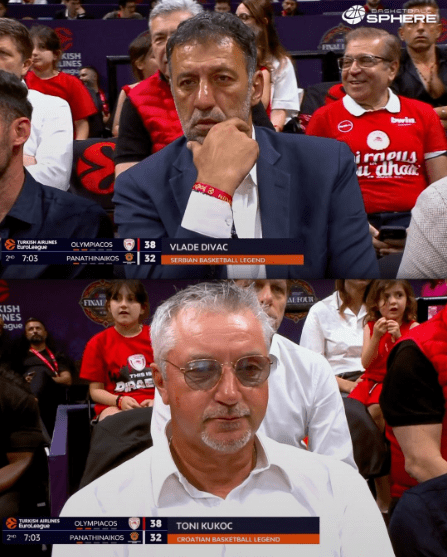
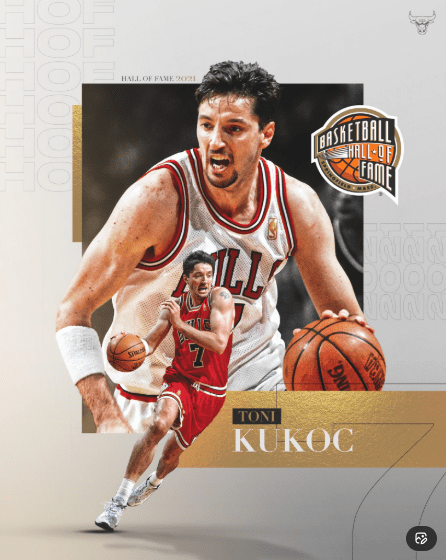
In the late 1980s and early 1990s, a singular basketball team captured the imagination of the sports world. The Yugoslav national team, a collection of transcendent talents including Dražen Petrović, Vlade Divac, Toni Kukoč.
They conquered Europe, defeated the United States, and were poised to challenge the very notion of American basketball supremacy at the 1992 Olympics. Their chemistry was legendary; they were roommates, friends, and brothers forged on the court.
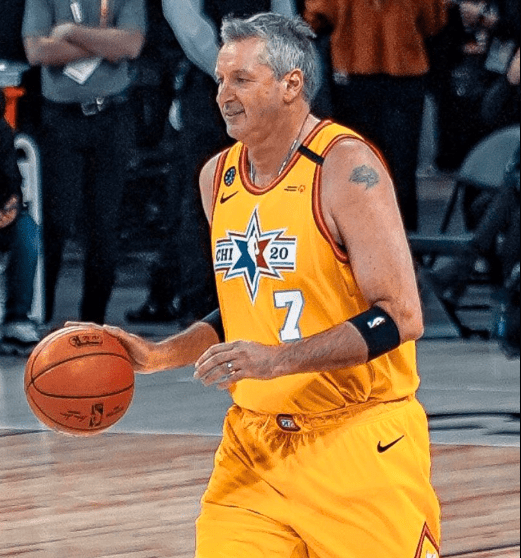
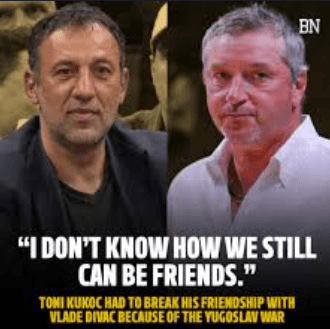
Yet, within a few short years, this historic unit was shattered, not by defeat, but by a devastating civil war. The story of their fractured friendship, particularly between Croatian star Toni Kukoč and Serbian center Vlade Divac, remains one of sports’ most poignant tragedies.
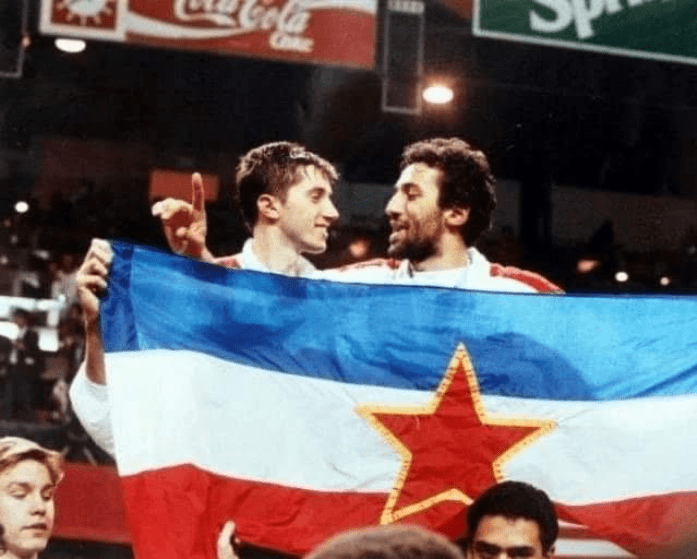
The Unbreakable Bond of a “Golden Generation”
Before the war, the bond between these players was the foundation of their success. They grew up together in the Yugoslav system, a product of state investment in sports that produced uniquely skilled, team-oriented players.

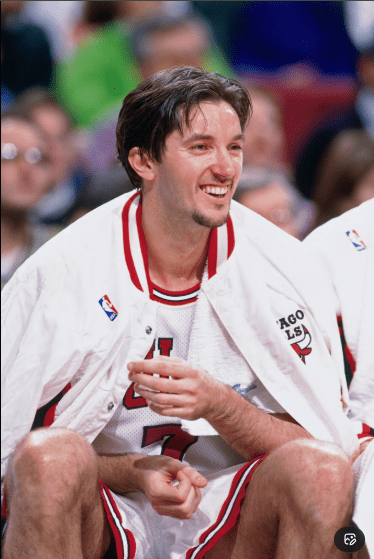
Divac was the revolutionary passing big man, Petrović the fiery scoring guard dubbed “the Mozart of basketball,” and Kukoč the versatile 6’11” forward with guard skills. Together, they formed a basketball family.
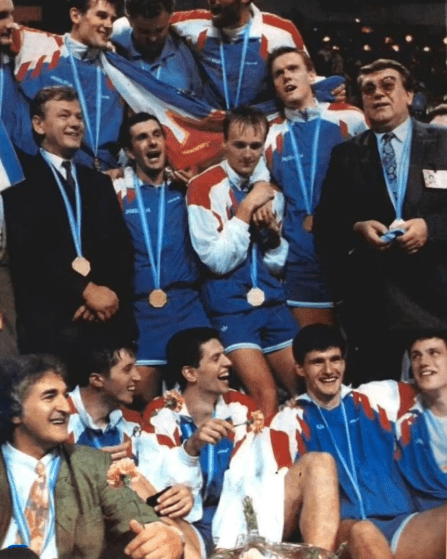
They won the 1990 FIBA World Championship, a victory that directly prompted the United States to assemble its first “Dream Team” of NBA professionals for the 1992 Games.
The Fracture: War Invades the Court
The disintegration of Yugoslavia into violent conflict in the early 1990s turned teammates into symbols of opposing nations. For Kukoč, a Croat, and Divac, a Serb, the personal became irreversibly political.
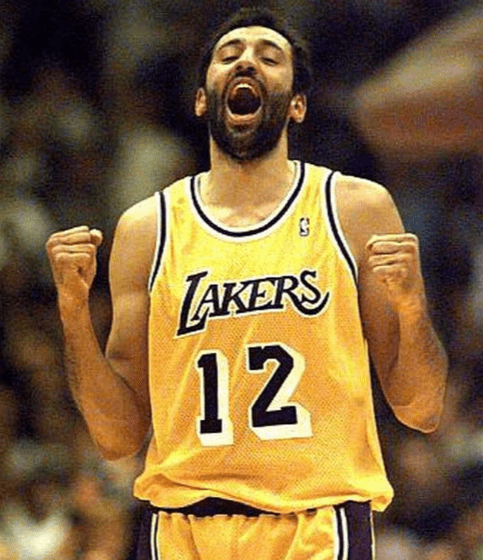
Divac, who has said he acted in the moment to preserve the unity of the Yugoslav team, grabbed the flag and threw it to the ground. For Petrović and Kukoč, this was an unconscionable insult to their Croatian identity.
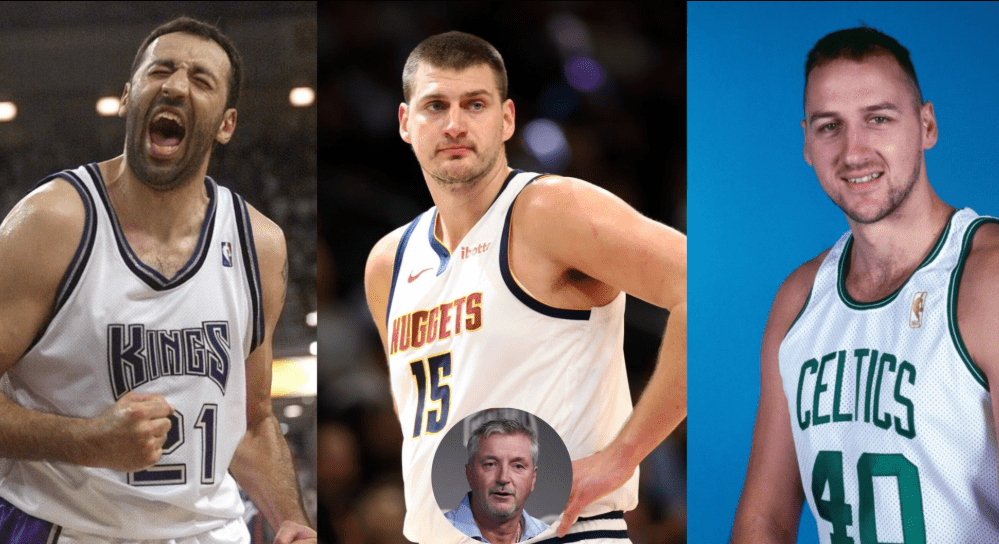
In a powerful 1993 interview, Kukoč explained the painful simplicity of his position: “It’s a Croatian defending his country and a Serb attacking a Croatian country… As long as he helps his side and I help my side, we cannot be friends because it’s war”.
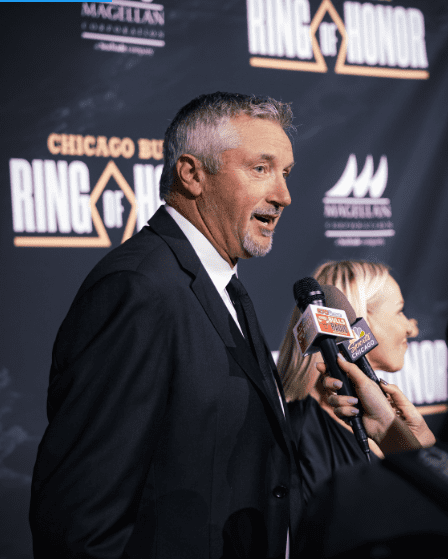
He spoke of friends on the front lines and family in Croatia living without basic necessities, making a casual basketball reunion feel impossible.
Irreparable Loss and a Lingering “What If”
The tragedy was compounded by a cruel twist of fate. In 1993, Dražen Petrović, the brilliant Croatian guard and Divac’s once-closest friend, died in a car accident in Germany.
They never reconciled. Divac, filled with regret, did not attend the funeral, fearing his presence would cause a disturbance during a time of intense national mourning and tension.
Petrović’s death sealed one friendship’s fate in permanent sorrow, a loss poignantly captured in the ESPN 30 for 30 documentary “Once Brothers”.
A Path to Reconciliation Through Basketball
Time and a shared desire to heal eventually allowed Kukoč and Divac to mend their relationship. The catalyst was the sport that had united them in the first place. In 2001.
When the organizer called Kukoč, he didn’t let her finish the pitch. “I’m in, we need to do it,” he said immediately. Divac, who had suggested involving Kukoč, was equally committed.
Their participation in this humanitarian project marked a public reconciliation. They could not change the past or the politics, but they could use their influence to foster a better future for the next generation.
Today, they speak of each other with the utmost respect, acknowledging the profound collateral damage sport suffered.