“He Saved the Franchise”: How LeBron James Rescued the Lakers and the Buss Family Legacy
The arrival of LeBron James in Los Angeles in the summer of 2018 did more than just give the Lakers a superstar; it rescued the Buss family from a potential legacy of failure.
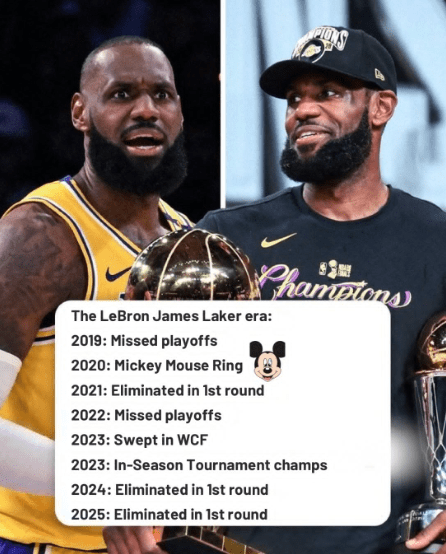
This is the bold assertion from Fox Sports analyst Chris Broussard, who argues that without James’s free agency decision, the children of legendary owner Jerry Buss would have been remembered as “abject failures” for their stewardship of one of sports’ most iconic franchises.

The Buss Legacy and a Post Kobe Freefall
Just two months later, Bryant suffered a catastrophic Achilles injury. The Lakers were swept in the first round of the 2013 playoffs, a moment that signaled a coming collapse.
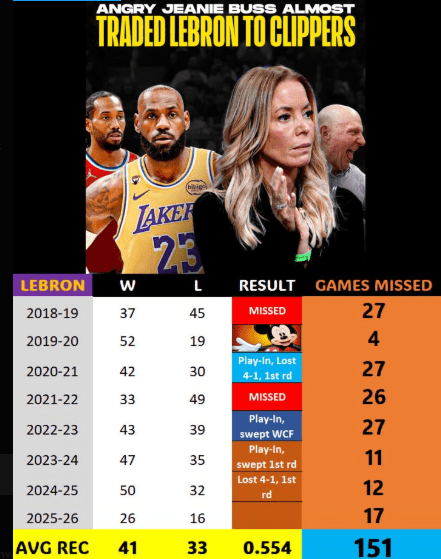
- They never won more than 35 games in a season.
- They missed the playoffs five consecutive years.
- They became toxic to top free agents, with Kevin Durant famously refusing to even meet with them in 2016.

“The Lakers were indeed a floundering franchise before LeBron arrived,” the report notes. The aura of the purple and gold had faded, and the Buss siblings, led by controlling owner Jeanie Buss, were struggling to chart a course back to relevance.
LeBron’s Arrival: The Instant Reset
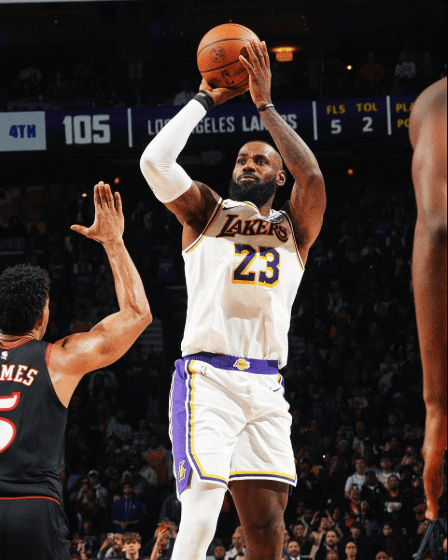
LeBron James’s decision in July 2018 to sign a four-year, $154 million contract with the Lakers was a franchise-altering event. It provided an instant credibility the front office had been unable to manufacture on its own.
“LeBron just chose to go to L.A. ’cause it’s a great franchise, L.A.’s a great city,” Broussard said, downplaying any master plan from management. “And then he got you Anthony Davis.”
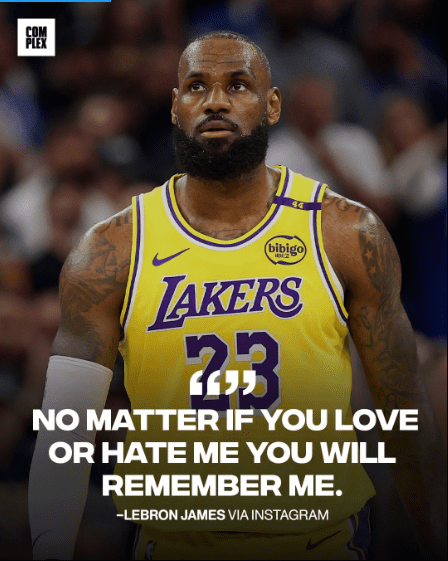
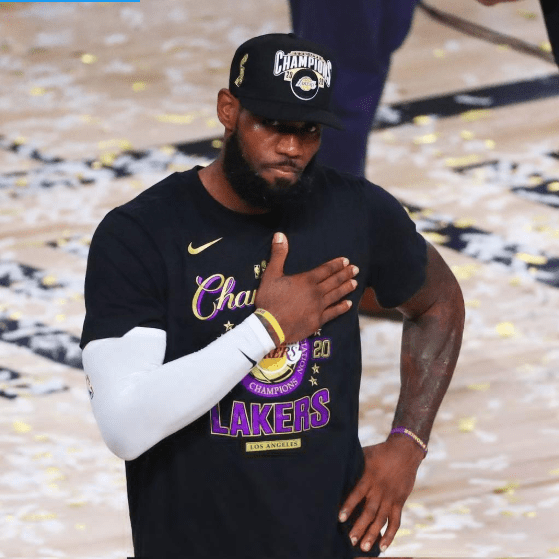
The result was swift and decisive. In just their second season together, the James-Davis duo led the Lakers to the 2020 NBA championship in the Orlando “bubble,” delivering the franchise’s 17th title and tying them with the Boston Celtics for the most in league history.
Broussard’s Blunt Assessment: “Abject Failures”
“We don’t know who they would have drafted or whatever would have happened,” Broussard stated. “But there’s no evidence since Jerry Buss passed away in 2013 that they would have figured it out.”
He paints a stark picture of what the alternative history might have been: “If LeBron would not have decided to go to the Lakers, the Buss children, let’s say, they still sold after 12 years, would go down as like abject failures, as far as being owners.”
The critique is that outside of the fortunate arrival of James a player they did not draft or develop—the Buss siblings’ tenure has been marked by instability, poor roster construction, and internal family drama that culminated in the 2025 sale of a majority stake in the team.

Context and the Broader Narrative
This analysis emerges amidst ongoing reports of tension between Jeanie Buss and LeBron James. A recent ESPN story suggested Buss privately felt James was not “grateful” enough after the team drafted his son, Bronny, in 2024 a claim Buss has publicly denied.
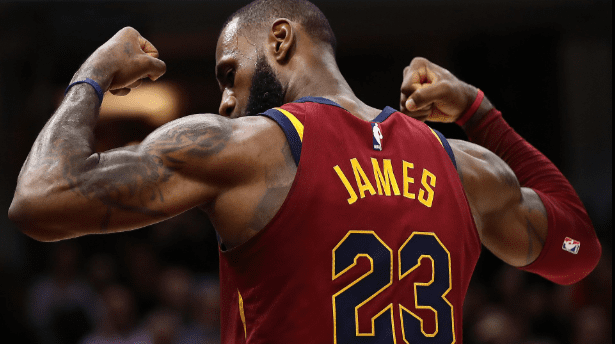
Even James’s frequent media critic, Stephen A. Smith of ESPN, has defended his impact. “LeBron James arrived in Los Angeles in 2018 and absolutely positively returned them to relevancy,” Smith stated, while acknowledging the complex dynamics of the Lakers’ brand.
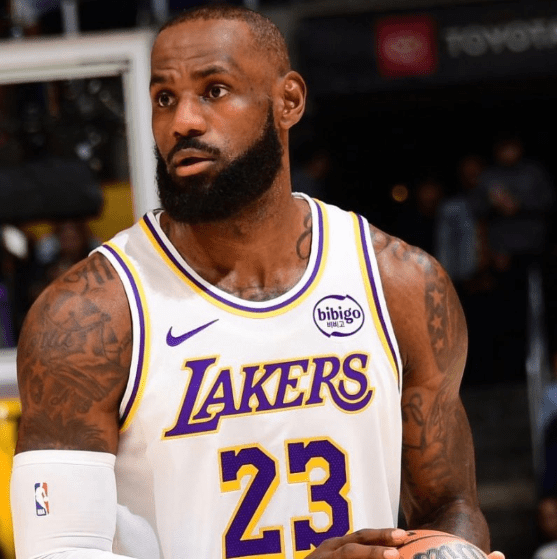
The Lakers’ subsequent trade of Anthony Davis to the Dallas Mavericks for Luka Dončić in 2025 has also been framed by some as a move stemming from the foundation James built.