From Mic to Memo: Kevin Durant’s Viral Confrontation and the NBA’s Fan Conduct Crackdown
An explosive confrontation between Houston Rockets star Kevin Durant and a Detroit Pistons fan on January 24, 2026, has reignited a complex league-wide debate about the volatile mix of superstar intensity, fan behavior, and the enforcement of arena rules.
While Durant’s profanity-laced tirade went viral, the incident sits squarely within the NBA’s intensified focus on controlling such situations, as detailed in a recent official memo that urges teams to “prioritize addressing inappropriate fan behavior”.
The league has historically fined players for engaging with fans, but this new directive places a stronger emphasis on proactive intervention by arena security to “deter and address fan misconduct” before it escalates.
The Viral Confrontation: An Unfiltered Durant
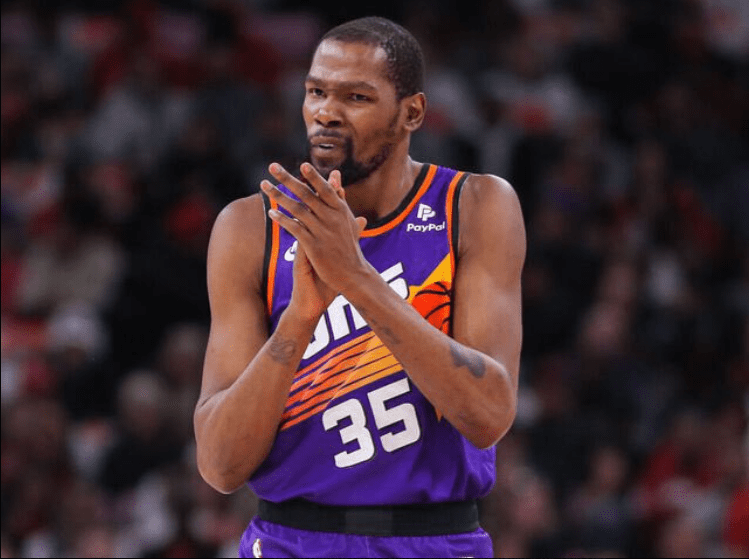
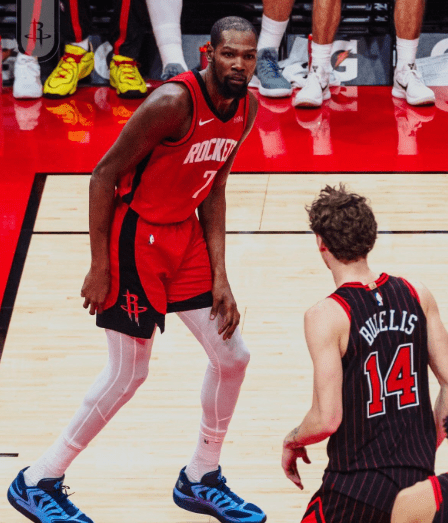
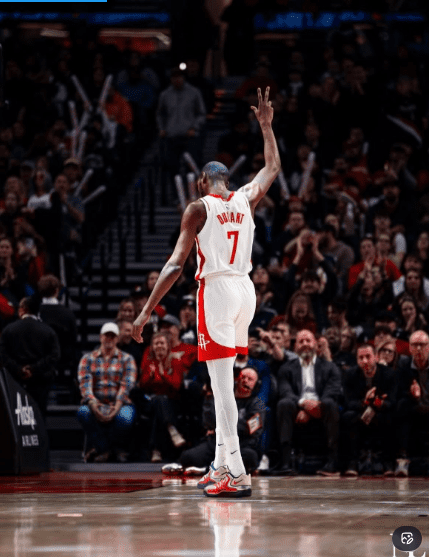
The now-infamous exchange occurred during the Houston Rockets’ 111-104 road victory over the Detroit Pistons. Kevin Durant, visibly irritated, approached a courtside fan who was wearing Durant’s own Brooklyn Nets jersey.
Broadcast and social media videos captured the star’s unfiltered response. In multiple clips, Durant can be heard unleashing a torrent of profanity, telling the fan:
“Who the f— you talking to, you fat m—–f–ker? … You ain’t gonna do s—! … Watch your f—— mouth.”.
At another point, while shooting free throws, a hot mic caught Durant telling the same heckler, “You can suck my d—… Grown man on my d— all night”.
Despite the distraction, Durant dominated on the court, leading all scorers with 32 points, 7 rebounds, and 3 assists in 40 minutes to secure the win. After the game, he framed the night’s physicality as a sign of the approaching playoffs, making no direct mention of the fan.
A Pattern of Passion and Provocation
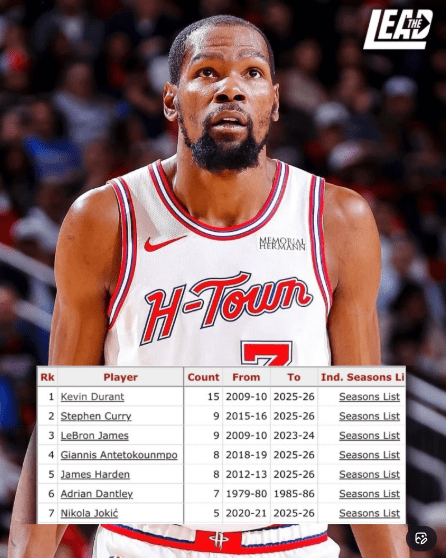
This incident is far from an isolated event for the 15-time All-Star. Throughout his career, Durant has built a reputation for engaging directly with fans, both in arenas and online, where he is famously active on social media and has even admitted to using “burner” accounts to argue with critics:
| Date | Incident | Outcome/Source |
|---|---|---|
| April 2021 | Fined for “offensive and derogatory language” in social media DMs | $50,000 fine |
| December 2021 | Told a heckling fan in Atlanta to “shut yo ass up” | $25,000 fine |
| February 2024 | Confronted Dallas fans who called him a “b***h”; asked security not to eject them | No ejection; Durant explained his reasoning post-game |
| January 2025 | Yelled “shut the f*** up and sit down” to a fan in Brooklyn | $25,000 fine |
| January 2026 | Profane confrontation with fan in Detroit | Under league review; precedent suggests a potential $25k-$35k fine |
This history sets a clear precedent. Following the Detroit incident, analysts widely expect the NBA to issue another fine, likely in the $25,000 to $35,000 range, which is standard for “directing obscene language toward a spectator”.
The Bigger Picture: A League Wide Issue
Durant’s confrontation is part of a much larger and ongoing conversation in professional sports about the boundaries of fandom. Recent incidents across the league highlight this growing tension:
- Draymond Green Confrontation: Just two months before Durant’s incident, Golden State’s Draymond Green received a warning from the NBA after going “chest-to-chest” with a New Orleans Pelicans fan who repeatedly called him “Angel Reese” in a derogatory tone.
- Other League Incidents: The 2025 postseason saw the Minnesota Timberwolves eject a fan for “racially charged comments” directed at Green. In Dallas, fans were ejected for their reactions following the trade of Luka Dončić.
The NBA’s New Directive: Proactive Policing
It is against this backdrop that the NBA sent a pivotal memo to all 30 teams in October 2025, just before the current season began. The league’s message was clear: teams and arena staff must be more vigilant.
“It is critical that teams and arenas vigorously enforce the Code of Conduct and not tolerate any misconduct that impacts our players, fans, or otherwise disrupts the game,” the league stated.
The memo calls for “consistent and vigilant enforcement” and proactive training for arena staff to identify and respond to violations before players feel compelled to react.