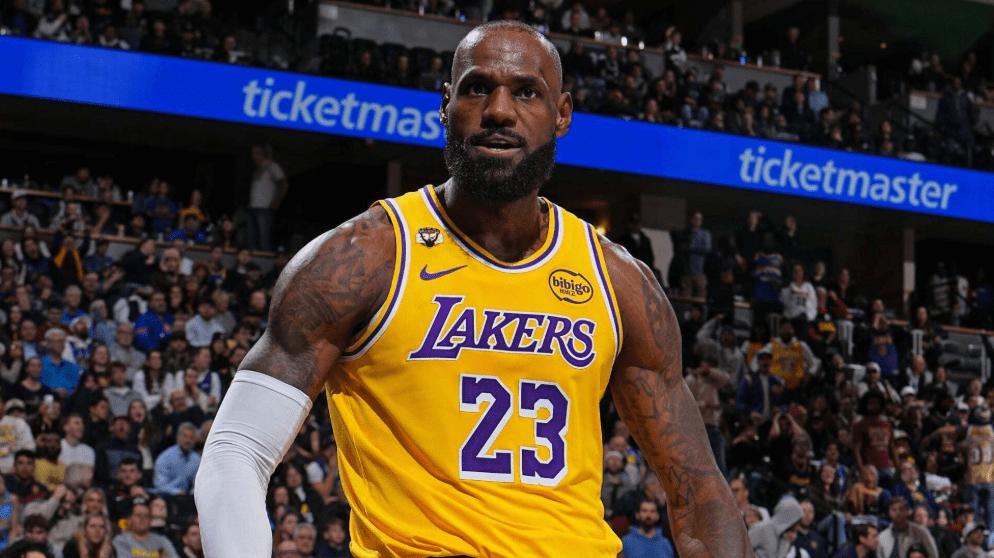
The Play That Sparked the Debate
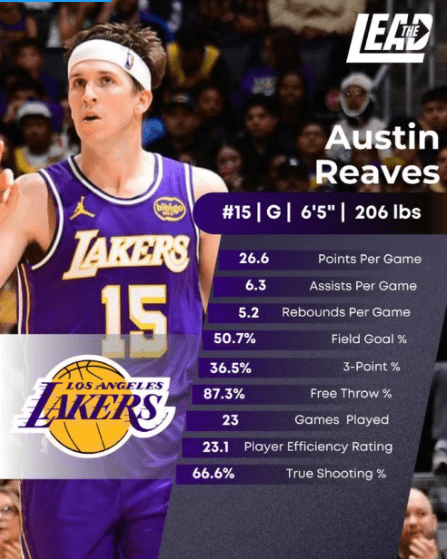
During a recent game, Lakers guard Austin Reaves intentionally threw the ball off the backboard to himself, caught the rebound, and scored.
While a spectacular individual effort, this sequence raised a technical question: if a player had passed the ball to a teammate off the glass for a score, would that be an assist?
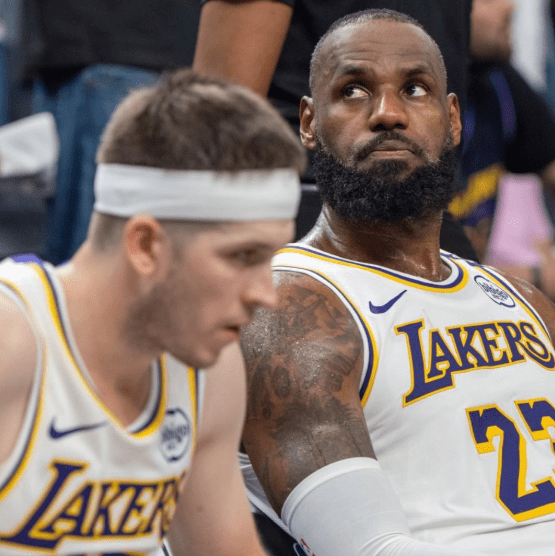
Redick’s comment, “I didn’t realize throwing the ball off the backboard to a teammate is not considered an assist anymore,” suggests that such a pass would not be credited as an assist under current rules.

The Official Rule and Its Interpretation
According to the NBA’s official definition, an assist is awarded to a player who passes the ball to a teammate in a way that leads directly to a scored basket.
The controversy with the off-the-glass pass lies in its classification. The league’s statisticians have long ruled that a pass intentionally thrown off the backboard is treated as a shot attempt, not a pass.
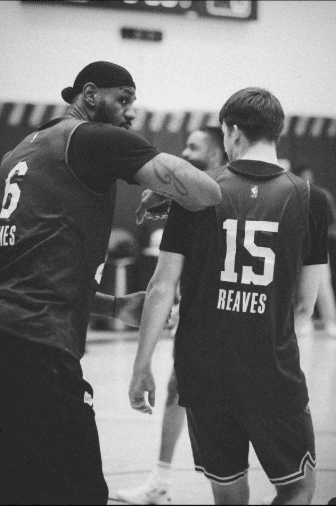
Therefore, even if a teammate grabs the “rebound” and scores, the initial player does not get credit for an assist. They would be credited with a missed field goal attempt, and the teammate would get credit for an offensive rebound and a put-back score.
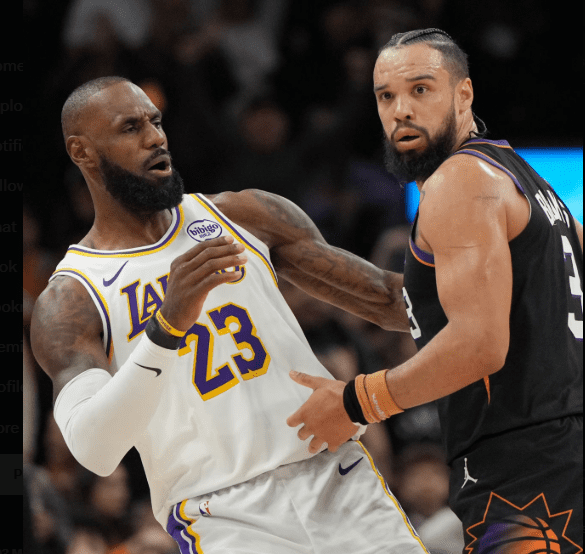
Why This Rule Exists
The rule is designed to prevent the artificial inflation of assist statistics and maintain the integrity of the stat.
Without it, players could theoretically “pass” to themselves off the glass or create gimmick assists that don’t reflect genuine playmaking. The rule draws a clear, if sometimes unsatisfying, line: if the ball hits the backboard with the intention of scoring, it’s a shot; if it doesn’t, it’s a pass.

Broader Context and Coach Redick’s Role
JJ Redick, a former player known for his high basketball IQ and analytical approach, is now in his first season as Lakers head coach.His public questioning of the rule is characteristic of his detailed engagement with the game’s nuances.

It also serves a subtle coaching purpose: defending his player (Reaves) by highlighting the creativity of the play, even if the league’s scorekeepers didn’t reward it with an assist.
While fans and players may enjoy the flair of such a play, the NBA’s consistent ruling ensures that the assist statistic remains a measure of direct playmaking, leaving the off-the-glass creativity as a highlight-reel moment that doesn’t show up in the box score.