The Super Bowl Halftime Show’s Real Paycheck: Exposure, Not Dollars
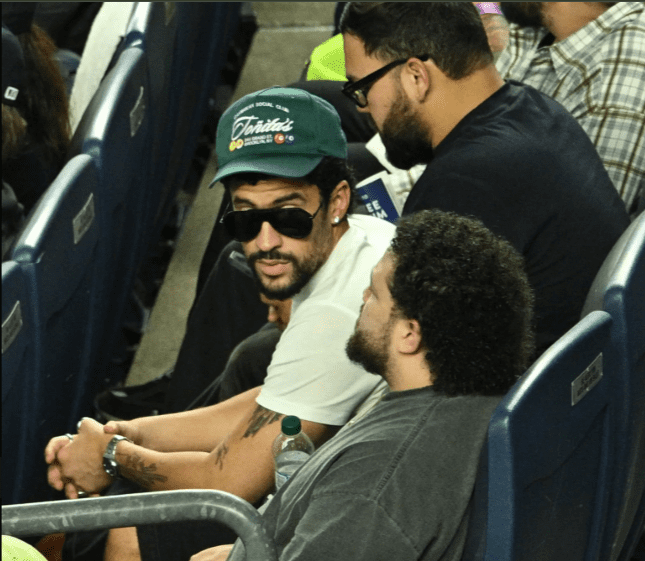
Bad Bunny’s headline performance at Super Bowl LX did not earn him a direct payment. The NFL’s long-standing policy is to cover all production and travel costs, with performers receiving only a mandatory union minimum fee, reported to be around $1,000 per day for rehearsals and the show itself .
This surprising reality is standard for every Super Bowl headliner. While a 30-second commercial spot in the big game costs advertisers up to $10 million, the artists at the center of the spectacle, from Beyoncé to Usher, perform for a fraction of that.

The NFL’s No Pay Policy: A Prestigious Tradition
The official stance from the NFL is clear and consistent. An NFL spokesperson told Forbes in 2016, “We do not pay the artists… We cover expenses and production costs” .
Instead, artists receive only a small payment as mandated by the labor union SAG-AFTRA. Recent reports for performers like Usher indicated this amounted to roughly $671 for the performance day and about $1,800 for rehearsals .
Why Artists Agree: The Unmatched Value of Exposure
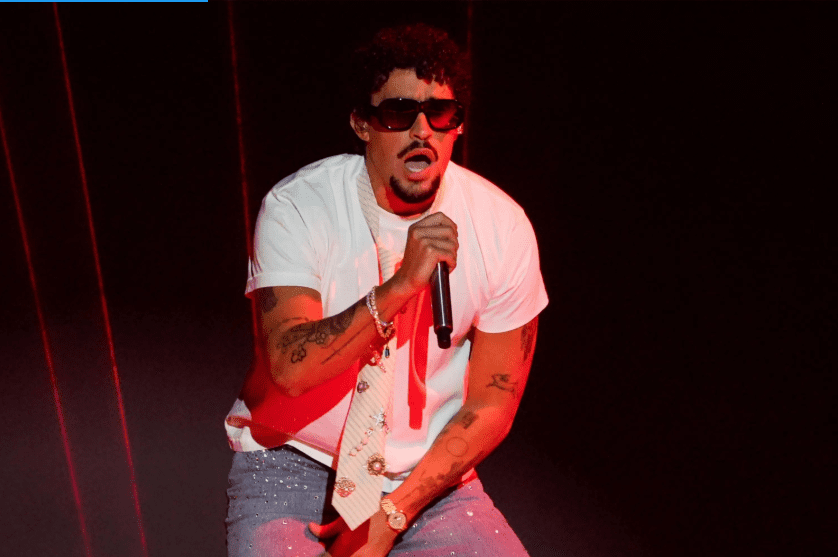
Major stars willingly forgo a direct paycheck for the halftime show because the stage offers something arguably more valuable: unparalleled global promotion.
| Performer | Year (Super Bowl) | Reported Viewership |
|---|---|---|
| Kendrick Lamar | 2025 (LIX) | 127 million |
| Usher | 2024 (LVIII) | Massive (specific figure not cited) |
| Rihanna | 2023 (LVII) | 115 million |
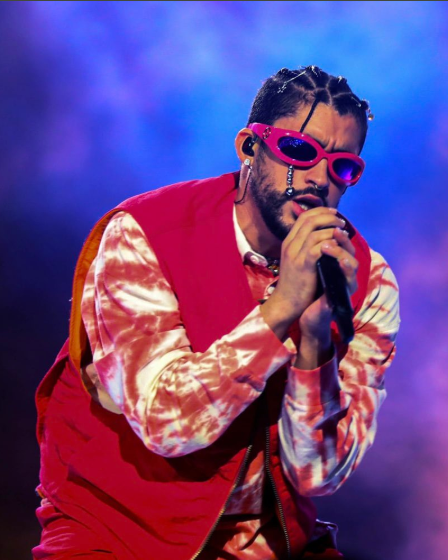
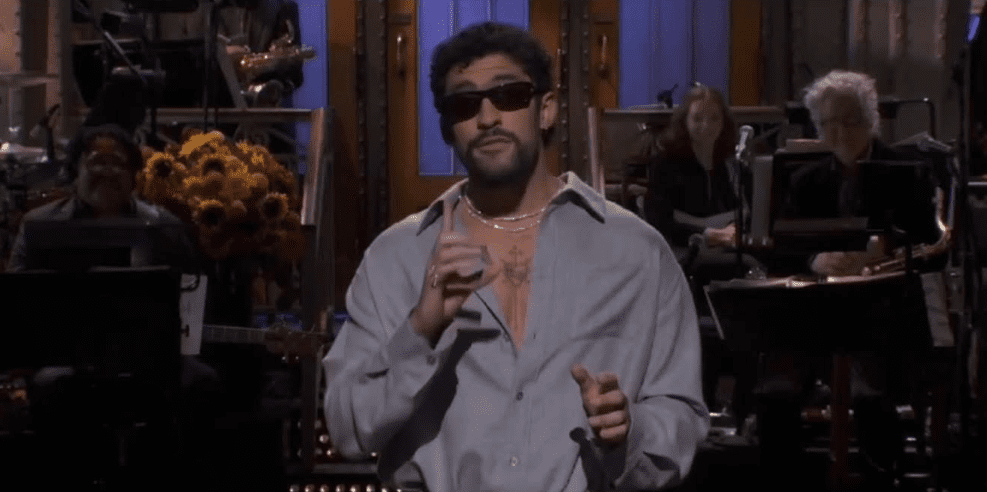
For Bad Bunny, the 2026 performance was a monumental opportunity to cement his status as a global ambassador for Latin music. He became the first Latin American male solo artist to headline the show, stating he wanted to “bring a lot of my culture to the stage” .
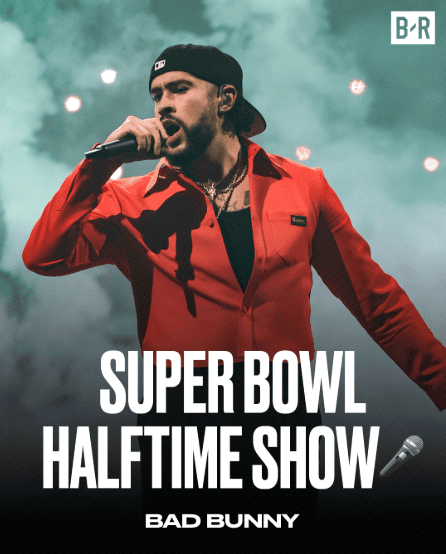
Where the Real Money Goes: A Multi-Million Dollar Production
While the performer’s direct fee is minimal, the halftime show itself is an enormously expensive production. The NFL covers all costs, which have run between $10 million and $20 million for recent shows .
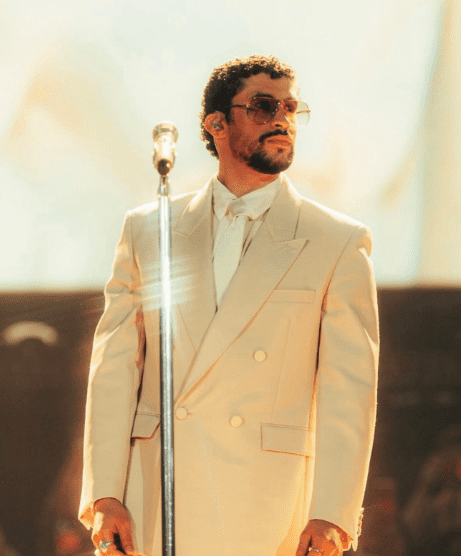
This investment covers every detail of the elaborate spectacle, from custom stage design and engineering to special effects, pyrotechnics, and the massive crew required to set it all up and tear it down in minutes .
Conclusion: The Legacy Beyond the Ledger
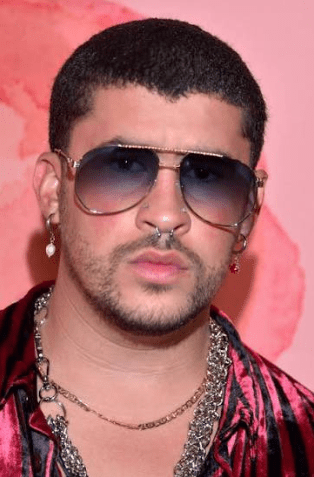
For an artist like Bad Bunny who Forbes reported earned $66 million from his music in 2025 alone the Super Bowl paycheck was never about the immediate dollars .
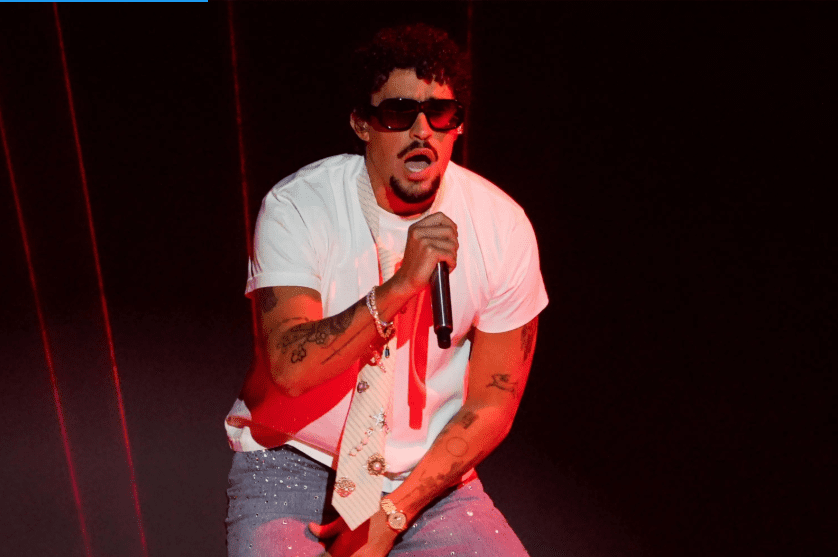
By taking the Super Bowl stage, he traded a direct fee for a moment of historic cultural impact, joining the elite roster of artists for whom the halftime show was a milestone, not a moneymaking gig.

I hope this article clearly explains the unique economics behind the Super Bowl halftime show. If you’re interested in how other major events like the Olympics or World Cup handle performer compensation, feel free to ask!