The Psychology of the “Foul Baiter”: Beyond Theatrics to Tactical Data Harvesting
LeBron’s on-court demonstrations are often dismissed as mere theatrics, an excessive performance meant for the cameras. This view ignores their function as a critical data-gathering and pressure-applying mechanism.
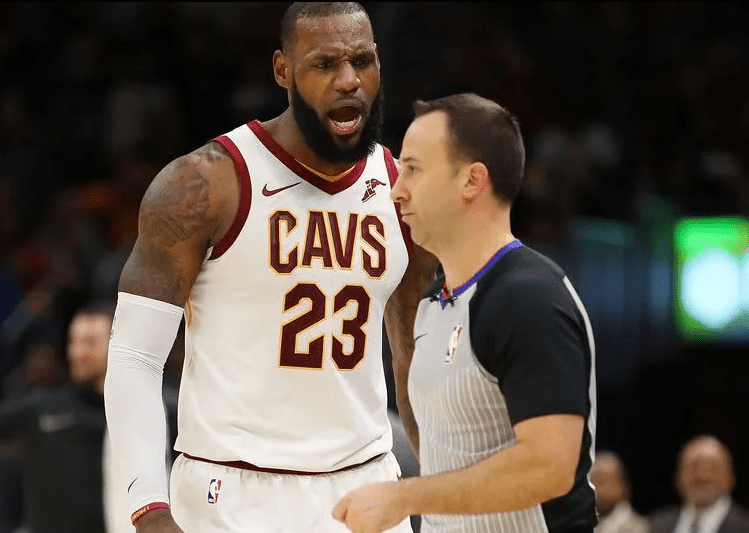
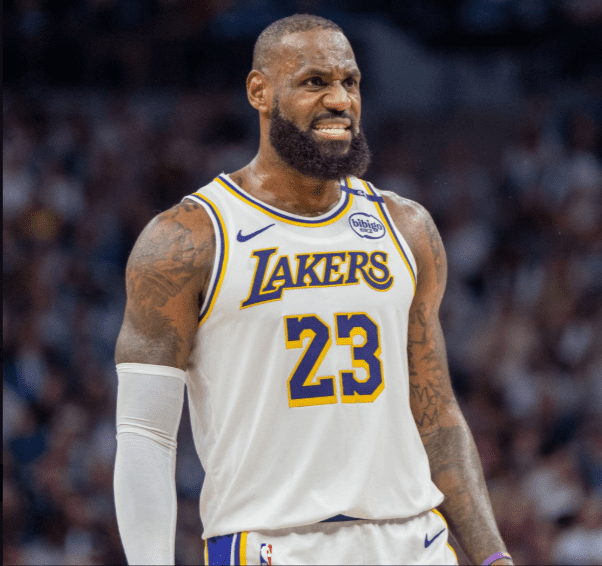
When LeBron stops to engage an official after a no-call, he is accomplishing several objectives simultaneously. First, he is establishing a personal ledger. He is creating a visible, memorable event “the time I got hit on the arm with no call” .
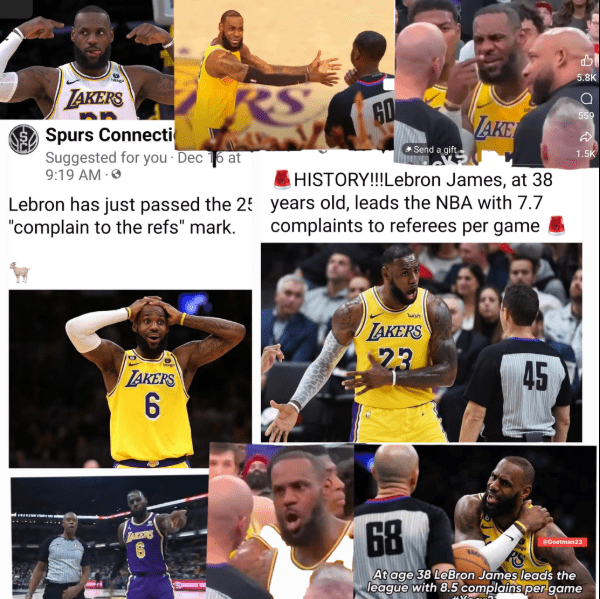
Second, he is conducting a public perception audit. By showcasing his frustration to 20,000 fans and millions of viewers, he shapes the narrative of the game. If the broadcast replays show even marginal contact, his protest is validated in the court of public opinion, which subconsciously pressures the officiating crew.
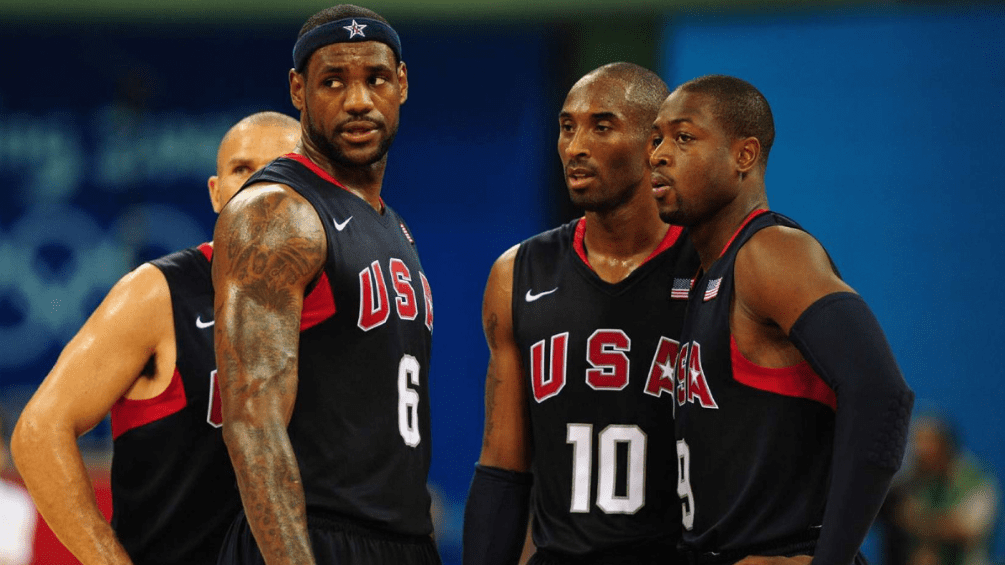
Third, and most critically, he is testing boundaries. His complaints are probes. He is learning, in real-time, what level of contact this particular crew is willing to allow on him. Is it a “play-on” night? Is the standard tighter? By reacting visibly, he gathers immediate feedback.
2. The Legacy of the “Superstar Call”: LeBron as Both Product and Architect of the System
The accusation that LeBron benefits from preferential treatment the infamous “superstar call” is often used to undermine his achievements. His detractors argue he complains to enforce this unfair privilege.
The NBA has always operated with an implicit, unofficial hierarchy. Star players drive ratings, narrative, and revenue. The league has a vested, though unstated, interest in their success and visibility. Referees, as stewards of the game within this commercial entity, are not immune to this reality.
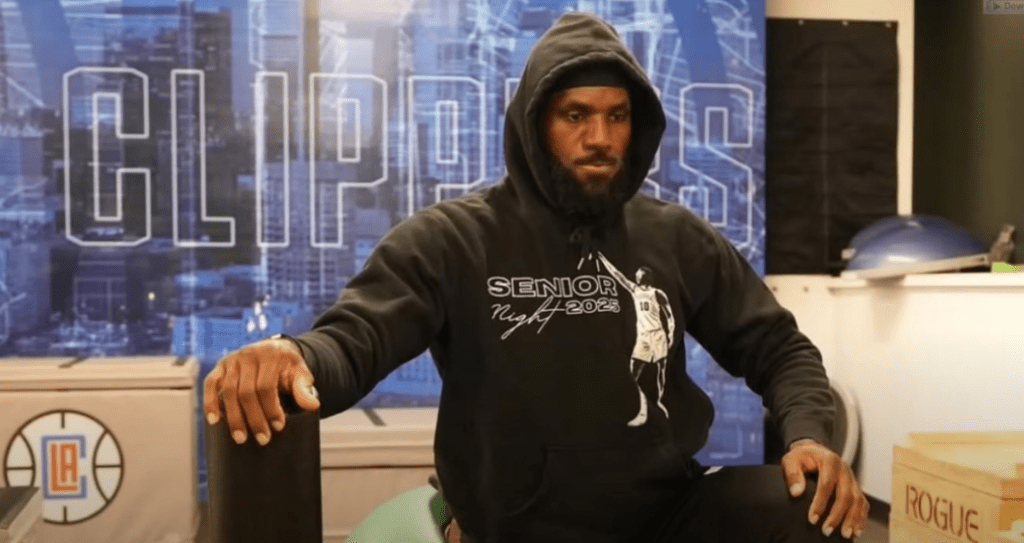
He is not inventing the superstar call; he is industrializing its procurement. Where Michael Jordan would shoot a lethal glare and Kobe Bryant would seethe in silent fury, LeBron employs a verbose, lawyerly, and persistent approach.
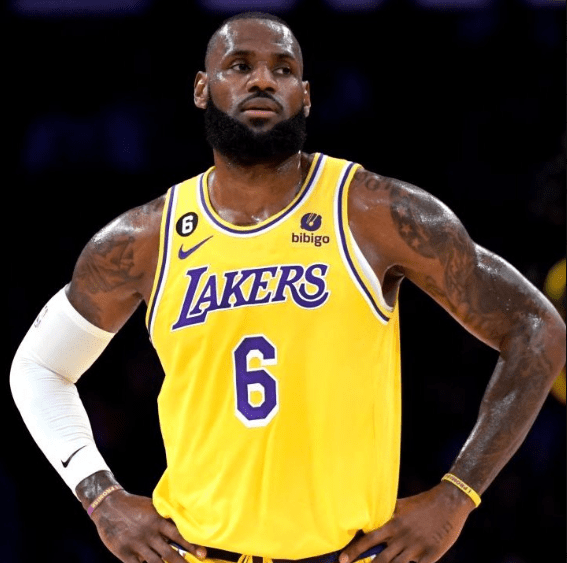
3. The Comparison Point: Why LeBron’s “Complaining” Feels Different
The “crybaby” label sticks to LeBron in a way it did not to other all-time greats, and this dissonance is key to understanding the modern reaction. Comparing his behavior to predecessors reveals a shift in style that is often misread as a shift in substance.
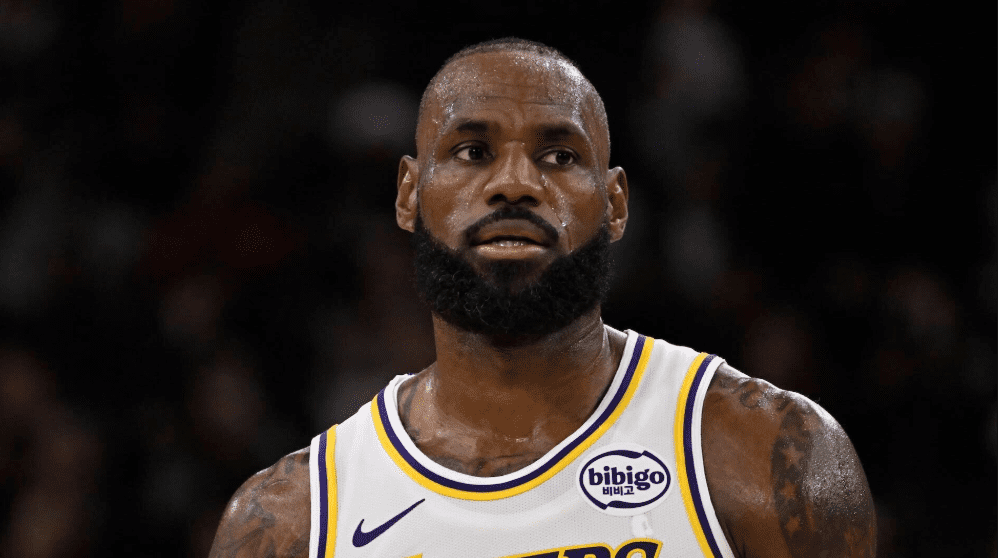
Michael Jordan and Kobe Bryant were warriors of stoic, internalized fury. Their protests were often non-verbal: a sharp clap, a cold stare, a muttered word to themselves.
4. The Strategic Cost-Benefit Analysis: Flopping, Transition Defense, and the Calculated Trade Off
The most tangible criticism of LeBron’s behavior is its tangible, immediate cost: defensive transitions. When he remains behind to argue a call, his team often plays 4-on-5 on defense. Critics point to this as incontrovertible proof of selfish, poor sportsmanship.
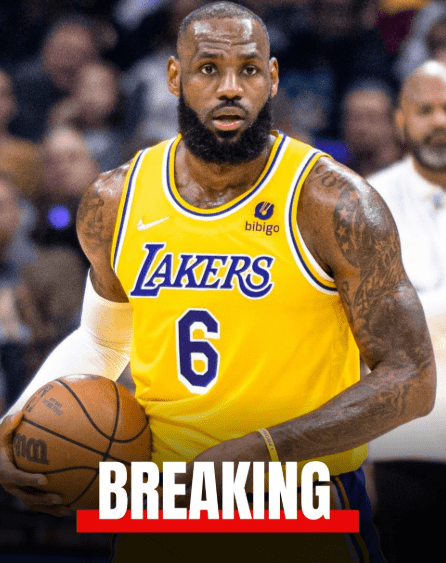
LeBron’s calculus, however, accounts for this. He is engaging in a ruthless cost-benefit analysis. In his valuation, the potential long-term gain of influencing the officiating standard outweighs the immediate risk of a single transition basket allowed.
5. The Evolution of a Narrative: From “The Chosen One” to “The Whining One”
LeBron’s relationship with the “crybaby” narrative is not static; it has evolved alongside his career and public persona, becoming intertwined with broader themes of his legacy.
The narrative is flexible because the behavior is constant. It serves as a Rorschach test for how one views LeBron James overall. Those who admire him see a shrewd tactician fighting for every edge.
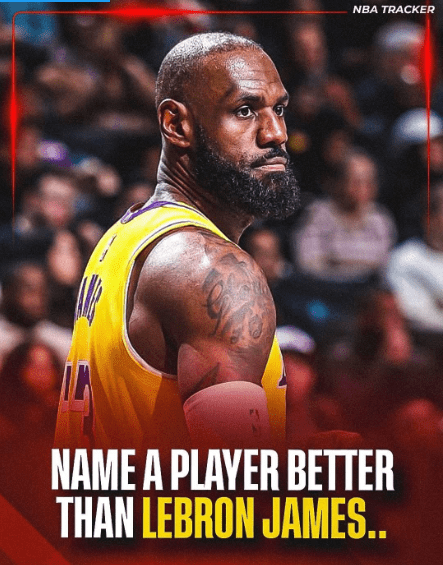
6. The Verdict: The Necessary Nuisance of Genius
Labeling LeBron James “the biggest crybaby in professional sports” is a satisfyingly simple critique that fails the complexity test. It is an emotional reaction to a deeply intellectual approach to competition.
He has weaponized every tool at his disposal his intellect, his stature, his understanding of systemic bias, and his mastery of optic to sculpt the game in real-time.