Everyone Made The Same Joke After Viral Diego Pavia Ravens Clip But The Real Story Isn’t Funny
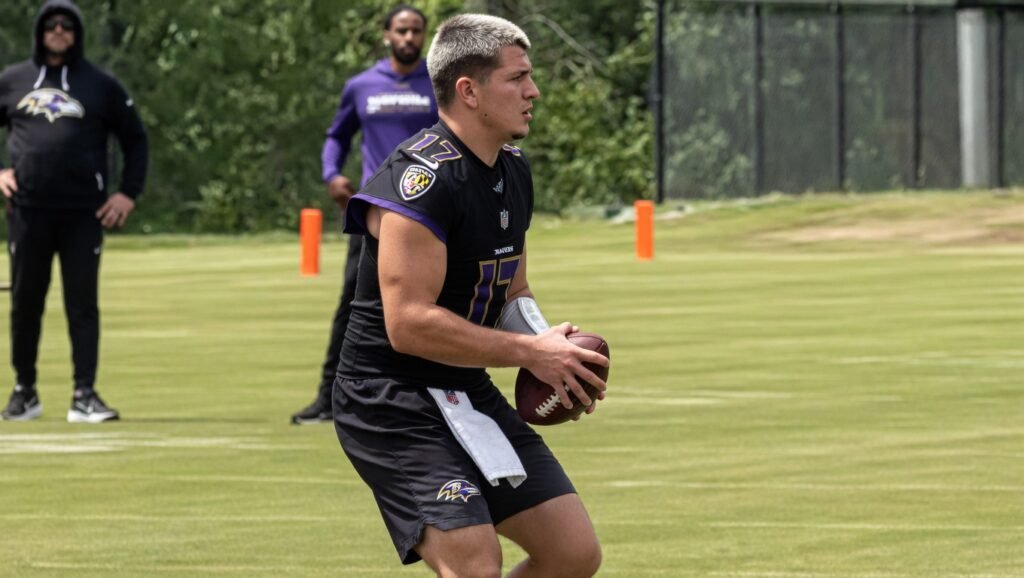
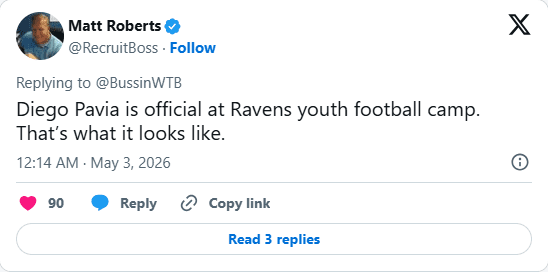
The internet moves fast, but not always in the smartest direction. One viral clip, a few seconds of footage, and suddenly a narrative is created, repeated, and accepted as truth. That’s exactly what happened when Diego Pavia showed up in Baltimore Ravens training and social media did what it does best turn a moment into a meme.
The jokes came quickly. Too quickly.
And almost all of them focused on the same thing.
The Clip That Started Everything
The video itself wasn’t anything extraordinary on the surface. It showed Diego Pavia going through drills at Ravens training, adjusting behind the line, preparing to take snaps. A normal practice sequence. The kind that happens thousands of times across the league without anyone paying attention.
But this one caught fire.
Within hours, the clip was circulating across platforms, racking up views and drawing reactions. Not analysis. Not breakdowns of mechanics or decision making. Just jokes.
Most of them centered on how Pavia looked physically in that moment. Camera angle, positioning, and perspective combined to create an image that made him appear smaller than expected. And that was all it took.
When One Angle Becomes a Narrative
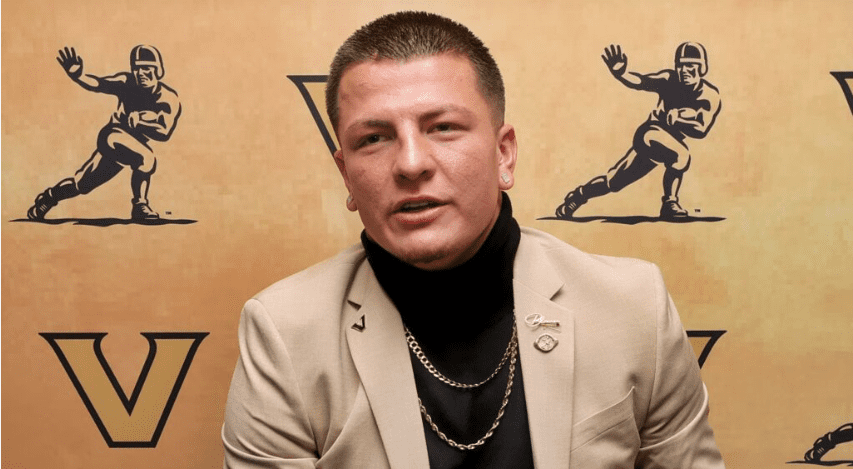
Sports fans are quick to judge, but social media accelerates that instinct into something more permanent. A single visual can override years of performance.
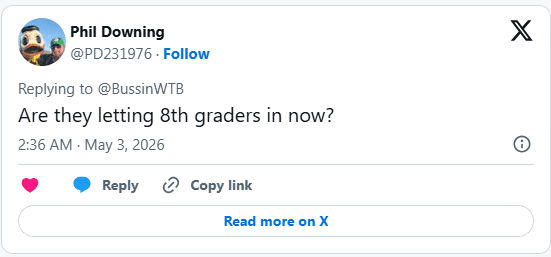
Pavia, who had a standout college run and even finished near the top of Heisman voting, suddenly found himself being reduced to a punchline. Comments compared him to a high school player. Others questioned how he could compete at the professional level based purely on appearance.
It’s not a new phenomenon. Athletes have always been scrutinized for size, strength, and physical traits. But what’s different now is how quickly those perceptions spread and how little context survives the process.
Because the reality is far less simple than the clip suggests.
The Draft Snub That Added Fuel
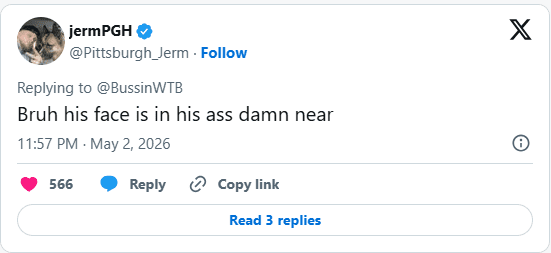
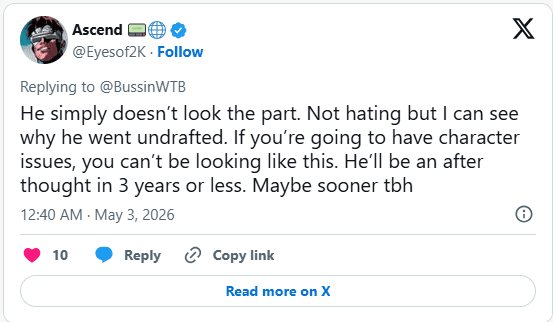
Pavia going undrafted already raised eyebrows before the viral moment. For a quarterback with his level of college production, it was unexpected. That decision created a question mark around his transition to the NFL.
So when the training footage surfaced, it didn’t exist in isolation. It plugged directly into an existing storyline: if teams passed on him, there must be a reason.
Social media filled in that reason almost instantly.
Height has always been a talking point for quarterbacks. From Drew Brees to Kyler Murray, the league has a long history of doubting players who don’t fit the traditional mold. Pavia’s situation now sits in that same conversation, whether fairly or not.
The difference is that instead of scouts debating behind closed doors, millions of people are now participating in that judgment publicly.
The Problem With Instant Reactions
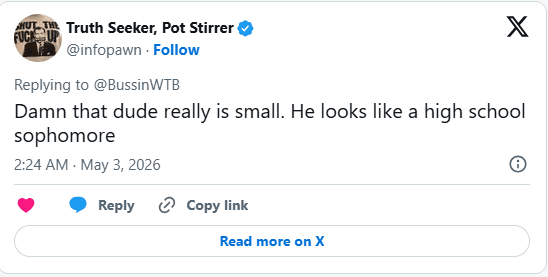
The issue isn’t that fans are reacting. That’s part of sports culture. The problem is how those reactions are formed.
A short clip doesn’t show timing, accuracy, decision-making, or leadership. It doesn’t capture how a quarterback reads defenses or adapts under pressure. It shows a moment often distorted by camera angles and framing.
Yet that moment becomes the entire evaluation.
This is where viral culture distorts reality. The most shareable version of a story is rarely the most accurate one. It’s the most exaggerated, the most simplified, the easiest to turn into a joke.
And once that version takes hold, it’s incredibly difficult to reverse.
Why Players Like Pavia Face an Uphill Battle
Undrafted players already operate with limited margin for error. They don’t have the same level of investment from teams, which means fewer opportunities to prove themselves.
Now add viral scrutiny to that equation.
Every rep becomes more than just practice. It becomes potential content. Every mistake risks being clipped, shared, and amplified. Even neutral moments can be reframed negatively depending on how they’re presented.
For someone like Pavia, the challenge isn’t just competing on the field. It’s overcoming a perception that may have little to do with his actual ability.
That perception, once established, can follow a player longer than any stat line.
The Reality That Gets Ignored
What often gets lost in moments like this is the reason Pavia is in that position to begin with.
He didn’t end up at an NFL training camp by accident. His college performance, leadership, and production earned him that opportunity. Teams don’t invite players into their system based on viral clips. They evaluate hours of film, data, and in-person assessments.
The Ravens didn’t bring him in for entertainment. They brought him in because they see potential worth exploring.
That doesn’t guarantee success. But it does mean the situation is far more complex than a few jokes suggest.
Can He Change the Narrative?
In the NFL, narratives can shift quickly but only through performance.
If Pavia manages to stand out in camp, make the roster, or even carve out a role, the same platforms that mocked him will likely flip the story. The jokes will be replaced with “underdog” headlines and comeback narratives.
It happens all the time.
But until that point, he exists in the space between perception and reality. A place where public opinion is loud, fast, and often disconnected from what actually matters on the field.
More Than Just a Viral Moment
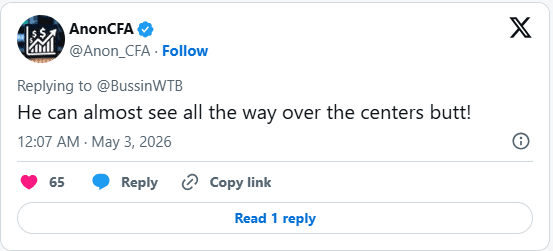
The reaction to Diego Pavia’s training clip says as much about the audience as it does about the player.
It highlights how easily narratives are formed, how quickly they spread, and how little information is needed to shape them. A single angle became a defining moment at least temporarily.
But football isn’t played in viral clips. It’s played over time, through performance, consistency, and execution.
And those are things no meme can fully capture.
So while the internet continues to laugh, the real story is still unfolding somewhere less visible on the practice field, in meetings, and in the quiet moments where players either prove people wrong or confirm what they believe.
For Diego Pavia, that story is just getting started.
This article was created with AI assistance and reviewed for clarity and accuracy.