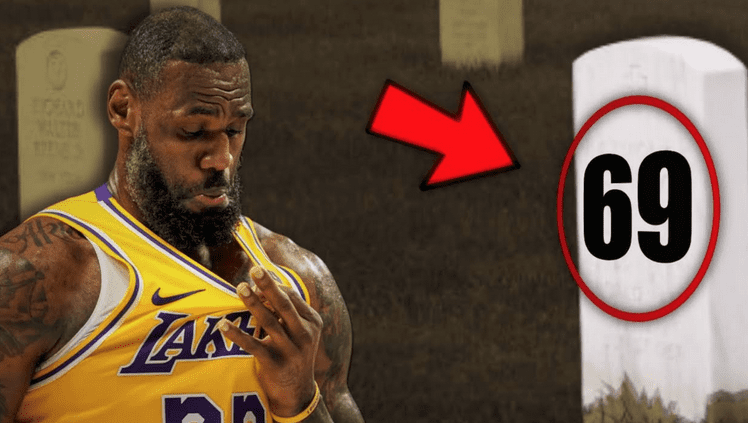
It may sound like a joke, but the fact is NBA players have never worn the number 69. And while it isn’t spelled out in any official rulebook as “banned,” the league has consistently declined approval for the number—making it, in effect, off-limits. This unwritten rule stems from the league’s desire to maintain a family-friendly image: the number carries clear sexual connotations that don’t align with its branding.
From Rookie Rebellion to Rejection: The Rodman Incident
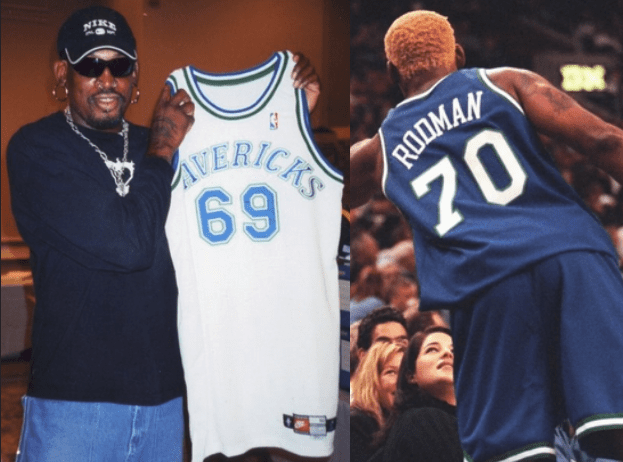
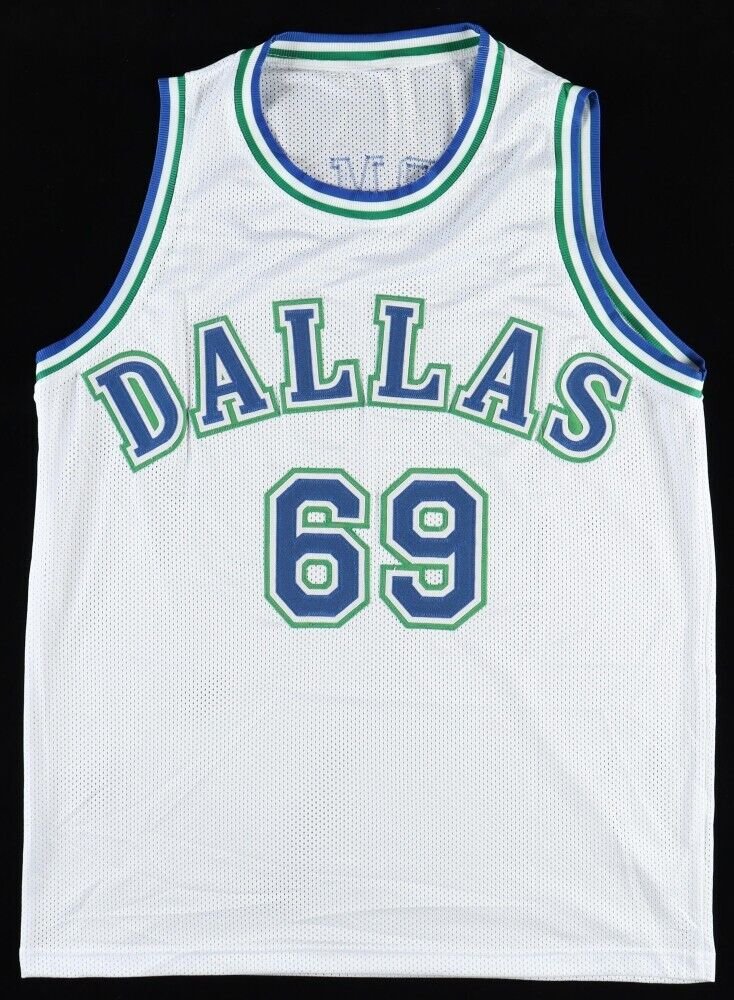
The most famous incident tied to this numbering oddity involves Dennis Rodman. When he signed with the Dallas Mavericks in 2000, Rodman requested jersey number 69. Team owner Mark Cuban was game and even had the jersey printed in anticipation of Rodman’s introduction. But the league stepped in—NBA Commissioner David Stern refused approval, and Rodman ultimately wore number 70 instead.
That moment sums it up: the NBA won’t officially say “69 is banned,” but in practice, it simply doesn’t get approved.
Numbers, Rules, and Family TV
The NBA permit numbers from 0 to 99 (including 00), provided they’re not retired and not otherwise inappropriate. Jerseys must include the number on front and back and meet size specs, but there’s no written ban on 69. It’s the league’s discretion in number approval that effectively keeps certain digits—like 69—from ever appearing.
This reflects more than etiquette; it’s brand protection. The NBA markets itself as inclusive and family-friendly. Nowadays, with social media and public scrutiny, a suggestive number would be a distraction and invite unwanted attention. So even without codified language in a uniform manual, the league has drawn an invisible line.
Unspoken Standards and Uniform Policies
NBA teams can’t just issue any number; they need the league’s approval, especially for unconventional ones. Beyond 69, the league has also turned down a few other requests. In general, unused numbers are available unless retired—for your favorite Bron man, 69 just never got that approval call.
Reddit basketball fans have shared lore confirming what happened with Rodman’s effort:
“I read that Rodman tried to but Stern said lol no. Then he requested 70 and that’s what he wore.”
That anecdote illustrates how the league’s social standards impact even minor-seeming details like jersey numbers.
Numbers in Other Leagues: A Contrast
In contrast, NCAA rules used to limit numbers for referee convenience—but in the NBA and globally, higher digits are okay. In baseball or football, numbers range freely too, although some conventions and retirements apply.
The distinction? No B-ball league wants a scandal. Even the playful, rebellious ones like Rodman had to play by that rule.
Why the Hesitation in 2025?
Almost every number from 0–99 has been used throughout NBA history—except 69. In modern social context, that gap remains a curious one, and the only plausible reason is the number’s widely recognized sexual innuendo.
Professional leagues tend to have standards, even when not written. Just like color restrictions or dress codes, some things fly under the radar until someone tests them—then the gate swings shut.
What About Behind the Scenes?
The NBA uniform policy primarily covers placement, visibility, and consistency. It doesn’t list prohibited numbers, but the league’s approval process is where discretion kicks in. When a player requests a jersey number, the team submits it, but the league can reject it if deemed inappropriate—as it did with Rodman.
In short, number 69 remains implicitly barred through a gate that reads “We reserve the right to say no.”
The Legacy of “No 69”
For fans, it’s a fun bit of basketball trivia: no one’s ever worn number 69. It sparks a mix of curiosity and chuckles. But it also offers insight into league image—what’s allowed versus what’s considered crossing a line even without writing it down.
From media coverage to merch, nothing about 69 fits with the NBA’s image control strategy. Rodman’s rejected jersey remains a symbol—not of official rule, but of the line the league won’t cross.
In the end, number 69 is not officially banned. But don’t expect to ever see it on court. It’s arguably the most famous rule that doesn’t exist—kept out through unspoken standards and maintained by an approval process shaped by image-conscious leadership.