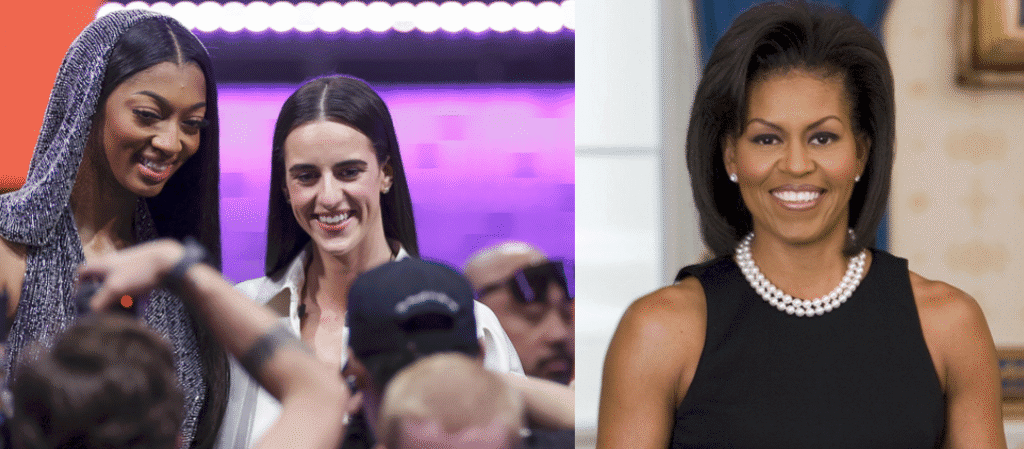
Former First Lady Michelle Obama took aim at the escalating social media scrutiny surrounding WNBA superstars Caitlin Clark and Angel Reese during a recent appearance on the All the Smoke podcast with hosts Matt Barnes and Stephen Jackson. Rather than take sides in the much-publicized rivalry, Obama focused on its psychological toll.
“There’s the hate, but now the hate is in your room, on your phone, with you all the time,” she said, capturing how social media extends pressure far beyond arenas and locker rooms. She added, “you can’t, for whatever reason, tell these kids to turn it off, because they’re making their living that way. Now they are expected to stay engaged,” underscoring a new era where athletes can’t escape criticism—even in private spaces.
Obama also delivered a broader cultural critique, likening sports commentary to reality TV: “If I listen to ESPN for an hour, it’s like watching Real Housewives of Atlanta… it’s the same drama.”
Rivalry Wrapped in Media Spotlight — and Mental Pressure
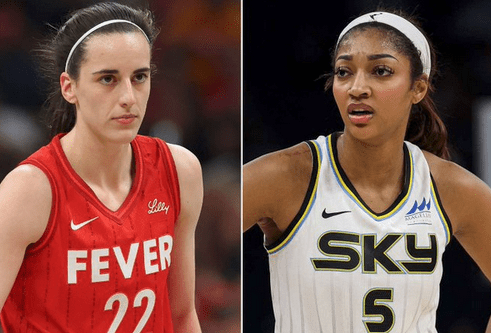
The Clark–Reese storyline captivated sports fans long before they entered the WNBA. It began with their clash in the 2023 NCAA championship game, where Reese taunted Clark with a “you can’t see me” gesture. The backlash, widely debated amidst undercurrents of race and sportsmanship, became a media flashpoint.
Their rivalry reignited in May 2025. In her WNBA debut matchup, Clark committed a flagrant foul on Reese, leading to league scrutiny and a broader investigation into alleged racial remarks—though no wrongdoing was ultimately confirmed. Their clash, though limited by subsequent injuries, has continued to fuel headlines.
A Spotlight That Cuts Both Ways
Despite the attention driving ticket sales and viewership, both players have pushed back on the “rivalry” label. Clark has called it largely “fabricated,” and Reese, while accepting a “bad guy” persona, sees the drama as part of elevating women’s basketball.
Yet, the limelight brings undeniable pressure. Michelle Obama’s remarks spotlight how digital platforms amplify scrutiny to a level athletes rarely face. “It’s harder not to withstand other people’s horrible, horrible opinions,” she warned, stressing the challenge of mental health amidst perpetual connectivity.
Beyond Competition: A Call for Compassion
Obama’s message serves as more than commentary—it’s a call for cultural change. She encouraged strategic responses over emotional reactions, especially in an environment where every gesture and statement is scrutinized in real time. Instagram
Her perspective resonates amidst persistent discussions about sexism, bias, and media responsibility in women’s sports. The discourse has revealed how easy it is to conflate competition with conflict—and how quickly that can affect real people behind the headlines.
Michelle Obama may not have resolved the Clark–Reese rivalry, but her voice echoed what many quietly feel: media narratives shouldn’t come at the expense of mental well-being. If the players are ambassadors for their sport, the public and media serve as stewards of their story—and Obama’s words remind us that influence should come with empathy.