Introduction: Tom McMillen A Multifaceted Life
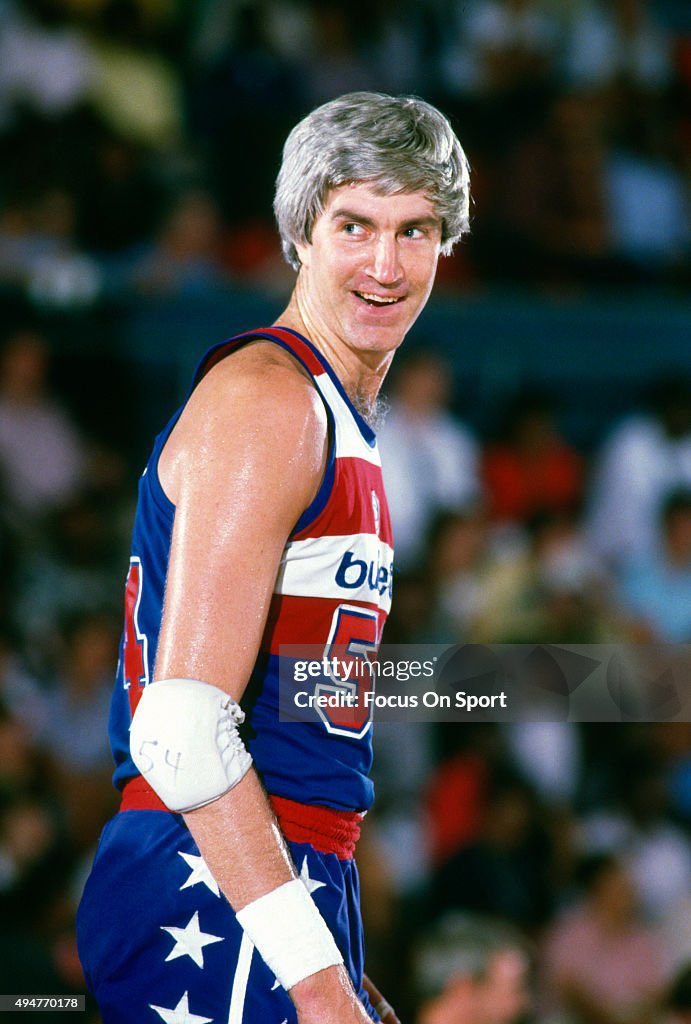
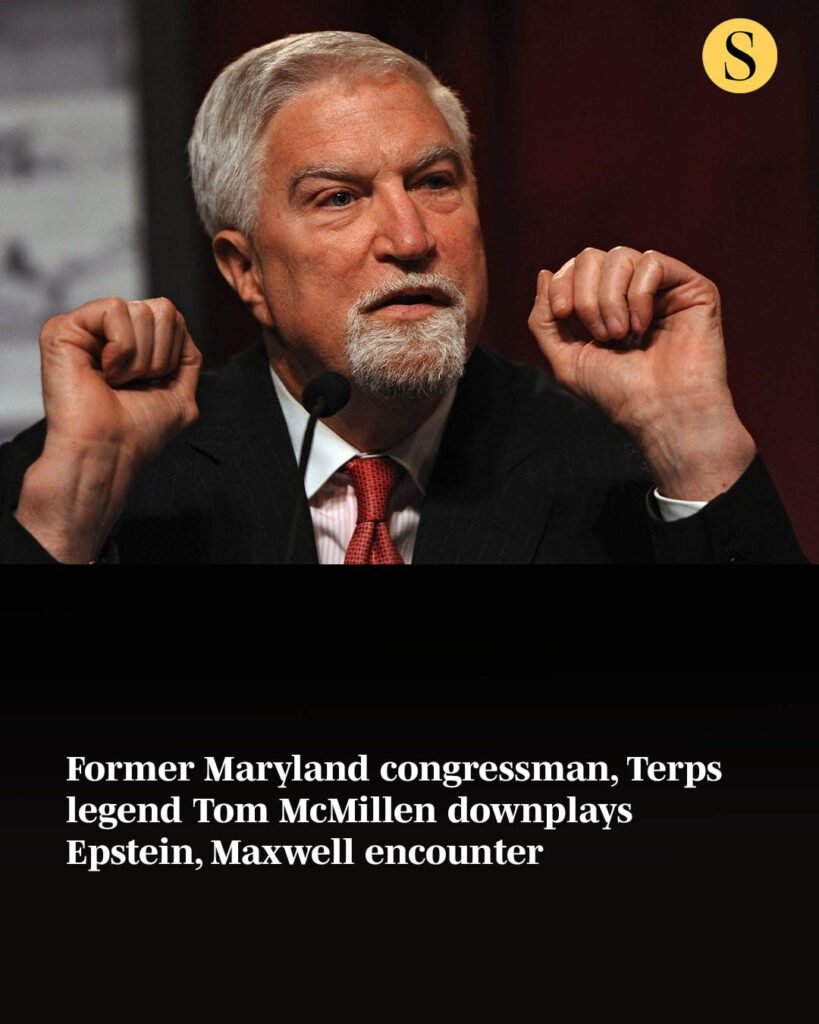
Tom McMillen is a name that resonates in multiple arenas: professional basketball, politics, and public life. Born in 1952, McMillen’s journey from collegiate basketball stardom to the NBA, and later to the halls of Congress, exemplifies a rare blend of athletic excellence and civic engagement. However, a resurfaced video featuring McMillen alongside Donald Trump and Jeffrey Epstein at Mar a Lago in 1992 has reignited curiosity about his past affiliations and the social circles he navigated after his basketball career.
This article dives deep into McMillen’s life, exploring his athletic achievements, political career, and the controversies that have recently brought his name back into the spotlight. From NBA highlights to political campaigns and his unexpected connections to high profile figures, this piece examines the complete picture of Tom McMillen.
Early Life and Collegiate Career
Tom McMillen was born in Savannah, Georgia, and later grew up in a supportive environment that nurtured both his intellectual and athletic abilities. Excelling in academics and sports, McMillen earned a scholarship to the University of Maryland, where he became a standout basketball player.
During his college career, McMillen demonstrated a unique combination of height, skill, and intelligence. Standing at 6 foot 9, he was a versatile forward known for his scoring ability, defensive presence, and leadership on the court. In addition to his athletic prowess, McMillen distinguished himself academically, earning a degree in political science while balancing the demands of NCAA level basketball.
McMillen’s collegiate performance caught the attention of NBA scouts nationwide. His ability to dominate inside the paint, combined with sharp basketball IQ, made him a top draft prospect in 1974. His early years at Maryland cemented his reputation as one of the brightest young talents in basketball, both on and off the court.
NBA Career: From Draft Pick to Veteran
Draft and Early Years
Tom McMillen was selected ninth overall in the 1974 NBA Draft, beginning a professional basketball career that would span more than a decade. He entered a league dominated by legends like Kareem Abdul-Jabbar, Bill Walton, and Julius Erving, yet he quickly carved out his own niche as a reliable and intelligent forward.
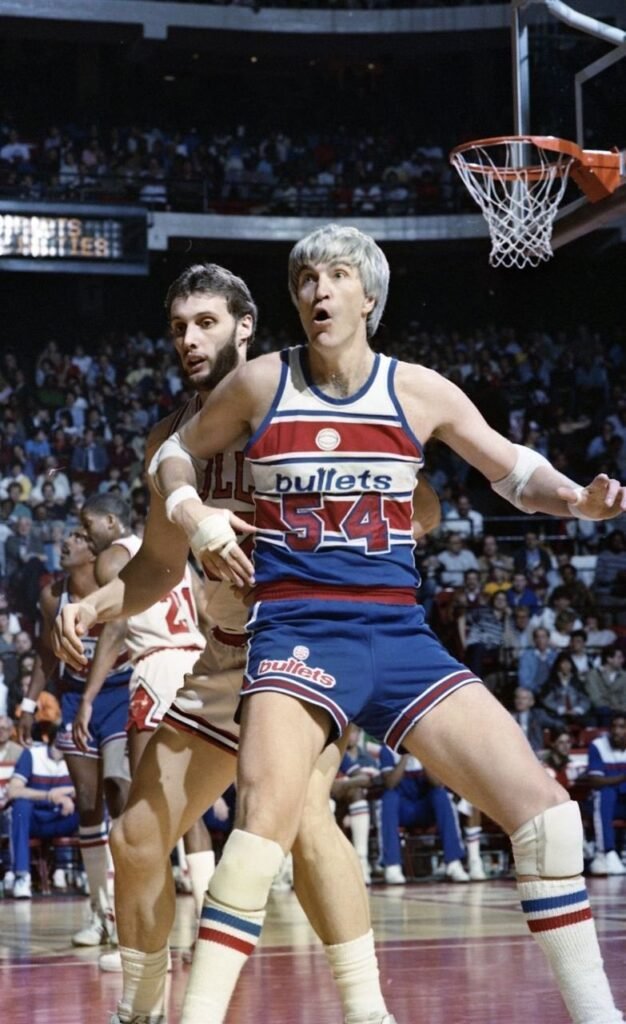
McMillen’s early NBA years were characterized by steady contributions rather than flashy stardom. He played for multiple teams, including the New York Knicks, Atlanta Hawks, Chicago Bulls, Washington Bullets, and even the Toronto Raptors, though in its formative years, to highlight his diverse career trajectory.
Playing Style and Achievements
Known for his versatility, McMillen could score inside the paint, defend multiple positions, and provide leadership in the locker room. Over 729 career games, he averaged 8.1 points, 4 rebounds, and 1.1 assists, with a field goal percentage of 48.3%. While these stats may not place him among NBA superstars, they reflect a consistent and reliable presence a player who contributed to team success in meaningful ways.
McMillen was particularly respected for his discipline and professionalism. Unlike many contemporaries, he avoided the off court distractions that plagued other NBA stars. This focus on balance and preparation would later serve him well in his transition to politics and public service.
NBA Legacy
Although McMillen never won an NBA championship, his career left an imprint on the league as a model of intelligence and leadership. He is remembered not only for his contributions on the court but also for his ability to leverage his athletic career into future opportunities, demonstrating that professional athletes can successfully transition into other sectors of public life.
Transition to Politics: From NBA Courts to Congress
After retiring from basketball in the mid-1980s, McMillen shifted focus from sports to public service. Leveraging his educational background in political science and leadership skills honed on the basketball court, he ran for the U.S. House of Representatives, serving Maryland’s 4th congressional district from 1987 to 1993.
Political Achievements
During his tenure in Congress, McMillen advocated for issues including youth development, sports funding, and education policy. His athletic background gave him credibility when discussing fitness and physical education initiatives, and he became known as a thoughtful and pragmatic legislator.
Beyond his legislative work, McMillen later served as Chairman of the President’s Council on Physical Fitness and Sports, further cementing his reputation as a leader in the intersection of athletics and public policy. His ability to navigate politics while maintaining integrity earned him respect across party lines and showcased a rare example of a professional athlete successfully transitioning to public service.
Connections with High Profile Figures: Trump, Epstein, and Beyond
The 1992 Mar a Lago Video
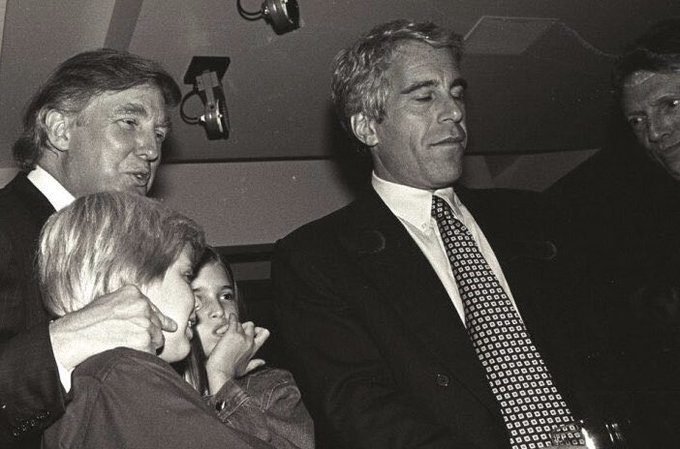
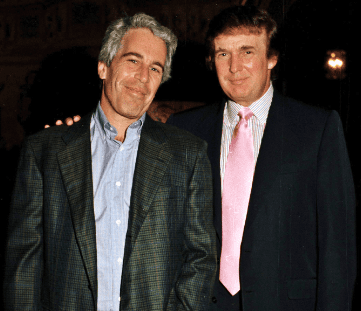
The renewed scrutiny surrounding McMillen emerged from an NBC video filmed in 1992, showing McMillen, Donald Trump, and Jeffrey Epstein at a party at Mar a Lago. This footage, investigated by journalist Pablo Torre, reignited interest in the social networks McMillen engaged with after leaving the NBA.
In the video, McMillen appears casually among prominent figures, sparking questions about the depth of his personal and professional connections. While some argue this simply reflects the social circles of former athletes and politicians, others suggest that his presence in Epstein related events warrants closer examination.
Political and Financial Ties
Donald Trump and former NBA Commissioner David Stern were early donors to McMillen’s political campaigns, highlighting a history of collaboration between McMillen and high profile figures in business and politics. These connections helped McMillen navigate the transition from sports to politics and provided him access to influential networks.
Moreover, reports have surfaced suggesting McMillen’s name appeared in Epstein’s so called “black book,” listing multiple contact numbers. While there is no public evidence linking McMillen to Epstein’s illegal activities, these revelations have prompted renewed media and public scrutiny, illustrating how historical associations can resurface decades later.
The Complexity of Public Perception
McMillen’s story illustrates the challenges of maintaining a public image in multiple arenas. On one hand, he is celebrated as a successful NBA player, a legislator, and a fitness advocate. On the other, his association with controversial figures has drawn criticism and speculation.
Public perception is often influenced as much by optics as by facts. The resurfaced Mar a Lago video demonstrates how historical context can shift the narrative around an individual, especially when connected to figures as polarizing as Donald Trump and Jeffrey Epstein.
McMillen’s Post Political Career
After leaving Congress in 1993, McMillen remained active in public life, particularly in areas related to sports administration and education. He chaired the Lead1 Association, which represents athletic directors at Division I universities, and continued advocating for fitness and youth programs nationwide.
Despite stepping away from frontline politics, McMillen maintained influence through advisory roles and public speaking engagements. His focus on physical fitness, education, and governance reflects a lifelong commitment to public service.

NBA Athletes and Post Career Trajectories
Tom McMillen’s journey is instructive in the broader context of NBA players’ post career trajectories. Many professional athletes struggle to transition from sports to other professional domains. McMillen’s success highlights key factors: education, networking, public service orientation, and a commitment to lifelong learning.
His example contrasts with NBA stars who have faced financial difficulties, legal troubles, or health challenges after retirement. McMillen leveraged his NBA platform as a springboard into politics, illustrating the potential for athletes to build meaningful careers beyond their sport.
Controversy and Media Scrutiny
The resurfaced video connecting McMillen to Epstein and Trump is emblematic of how media scrutiny can affect public perception, even decades after events occur. In today’s media environment, historical footage can trigger intense public interest, forcing individuals to address or contextualize their past associations.
For McMillen, the renewed attention has prompted discussions about accountability, the ethics of social networks, and the intersection of celebrity, politics, and influence. While he has not been accused of wrongdoing, the scrutiny demonstrates the challenges faced by public figures navigating a complex web of social and professional relationships.

Lessons from McMillen’s Life
Tom McMillen’s multifaceted career offers several key lessons:
- Education Matters: His academic achievements provided a foundation for success beyond sports.
- Transition Planning: Thoughtful career planning allowed him to move seamlessly into politics.
- Networking with Integrity: Connections can open doors, but they require careful management to avoid reputational risk.
- Public Service Commitment: Dedication to community and national service can define a legacy beyond personal achievements.
- Resilience in Scrutiny: Public figures must navigate media and public attention, especially when past associations are revisited.
Good there are additional relevant facts about Tom McMillen (the ex NBA player) and his connection to Donald Trump / Jeffrey Epstein that weren’t fully covered in the draft above. Below I outline the new, notable information and context what we know, what remains disputed, and why this resurfaced history is drawing renewed scrutiny.
What We Know: McMillen’s Background & Public Life
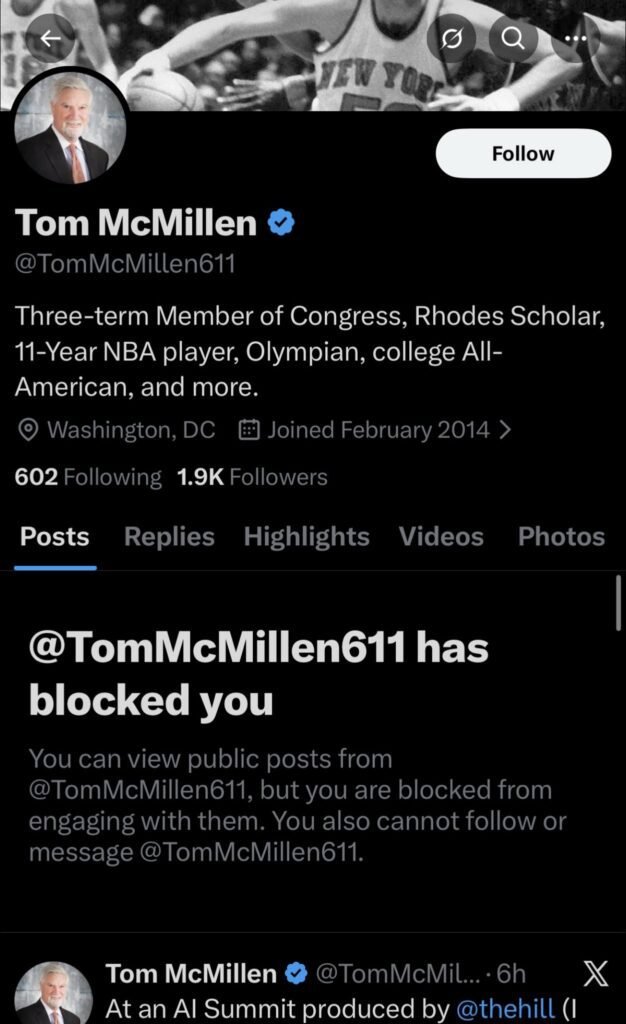
- Tom McMillen was a top high school and college basketball standout. He played at Maryland Terrapins, was a Rhodes Scholar, and joined the 1972 U.S. Olympic basketball team. (Wikipedia)
- He had an 11 year career in the NBA (1974–1986), playing for several teams including the New York Knicks, Atlanta Hawks, and Washington Bullets. (Wikipedia)
- After retiring from basketball, McMillen transitioned to politics. He served as U.S. Representative for Maryland’s 4th congressional district from 1987–1993. (Wikipedia)
- Later, he chaired the President’s Council on Physical Fitness and Sports and worked extensively in sports administration, including leading the Lead1 Association (representing top college athletic directors) for years. (Wikipedia)

In short: McMillen has had a successful, multistage career elite athlete, politician, sports policy leader which gives him a high public profile and wide social and professional networks.
The 1992 Mar a Lago Video: McMillen, Trump, and Epstein
The renewed interest in McMillen stems from a resurfaced 1992 video showing a party at Mar a Lago hosted by Trump where McMillen appears entering the party at roughly the same time as Epstein. In that footage, McMillen, Epstein, and Trump are among the guests. (The Washington Post)
Key details:
- The party was described as “NFL themed,” featuring cheerleaders and a large guest list. (The Independent)
- McMillen has publicly acknowledged attending the event, though he claims he did not recall Epstein being there or having a close relationship with him. (The Washington Post)
- His appearance in the video and inclusion in Epstein’s contact records (the so called “black book”) have raised eyebrows. McMillen admitted to knowing Epstein through shared social circles, but strongly denied any deeper connection or wrongdoing. (The Washington Post)
In short: yes McMillen was visibly present in the 1992 footage. But his explanation is that he only happened to be at the same social event, without personal closeness to Epstein, and with no recollection of specific interaction.
Additional Controversial Details: Flight Log, Emails & Public Reaction
Beyond the video, more recent developments have added layers to the controversy:
- According to recent reporting, McMillen’s handwritten name appears on a 1993 flight‑log entry linked to Epstein’s private aircraft a fact he said he does not recall and questions the accuracy of. (Yahoo Sports)
- In a 2025 interview with podcast host Pablo Torre, McMillen was confronted with evidence including the video, flight‑log entries, and old emails from alleged Epstein associates referencing McMillen by name. The exchange became tense, with McMillen cutting the interview short saying he preferred to focus on other topics and calling the allegations “so crazy.” (ClutchPoints)
- McMillen has stated he was not close friends with Epstein, and distanced himself from the accusations, saying his name appearing in records merely reflects the broad social circles Epstein kept. (AS USA)
Public reaction has been swift: once admired for his diverse career, McMillen now faces renewed scrutiny not for actions proven, but for associations and the lingering question: “What did he know, and when?”

Why This Matters For McMillen, for Public Trust, and for Historical Accountability
This resurfacing is significant for several reasons:
- Past associations resurfacing: The McMillen case exemplifies how social and political elites’ past connections even if seemingly innocent at the time can be reevaluated decades later, especially when tied to figures with massive legal and moral transgressions.
- Transparency for public figures: As a former congressman and public policy leader, McMillen once held roles of responsibility and trust. The revelations challenge how transparency and accountability apply to former public servants with broad influence.
- Historical narrative and memory: The resurfaced video challenges past denials (including by Trump) about the closeness of his and Epstein’s network. McMillen’s presence adds complexity to that narrative showing the extent of social overlap among elites in the early ’90s. (The Washington Post)
- Public reaction and reputational risk: For McMillen, this could tarnish decades of work in politics, sports, and public service, even in absence of any proven wrongdoing. The case shows how reputations can shift dramatically when public scrutiny returns to past associations.
What We Don’t Know Unanswered Questions
Despite the evidence and public interest, much about McMillen’s involvement remains unclear or unproven:
- There is no public evidence as of now that McMillen engaged in any illegal activity related to Epstein’s crimes. Appearing in footage or contact records does not equal guilt.
- McMillen insists he has no specific memory of Epstein or wrongdoing at the 1992 party, and claims lack of substantial relationship. (The Washington Post)
- The presence of his name on flight logs or in contact records might reflect social acquaintance, not complicity. But for many critics, that distinction may seem insufficient given the gravity of Epstein’s crimes.
- It remains uncertain whether any formal investigation will or should follow especially since decades have passed, records may be incomplete, and statutes of limitations could apply.

In other words: there’s suspicion, speculation, and legitimate concern but not (yet) proof of wrongdoing.
Broader Context: McMillen Among Other Public Figures, and Why This Matters Now
McMillen is far from the only public figure whose past social ties especially with Epstein have resurfaced in recent years. But his story is instructive because:
- He represents a generation of athlete turned politician: his career path spanned sports, academia, politics, and public policy leadership.
- His presence in the 1992 footage shows how interconnected elite social circles were combining power, wealth, celebrity, and politics in ways that today might attract far greater scrutiny.
- It demonstrates how archival media (old videos, flight logs, contact books) can recontextualize history years later, forcing both public reckoning and media re examination.
- For America’s political and sports institutions, the case raises questions about ethics, social accountability, and how to handle historical associations even for those who claim no wrongdoing.
What McMillen Has Said His Defense
When confronted with the tape and documents, McMillen has offered several responses:
- He acknowledged “knowing” Epstein socially and had seen him at past social events, but denied any close relationship or involvement in illicit activity. (The Washington Post)
- He claimed he “barely remembers” the 1992 party, and didn’t remember Epstein being there. He characterized being listed in contact records as a product of Epstein’s “collecting people,” not an indication of deeper ties. (AS USA)
- When asked about flight log entries and old emails referencing him, McMillen responded that he did not recall, doubted their accuracy, and abruptly ended the interview saying he preferred to talk about positive aspects of his career. (ClutchPoints)
In sum: McMillen’s stance is denial or minimization he acknowledges being present in broad social networks but denies any meaningful association or knowledge of wrongdoing.
Why People Are Paying Attention Renewed Relevance
The renewed focus on McMillen is not just idle curiosity. Several factors make this case timely and relevant:
- As public scrutiny of past elite-world connections intensifies following Epstein’s legal cases, any previously unknown links are being reexamined. The 1992 video provides a rare piece of archival visual evidence.
- McMillen’s multifaceted public life (NBA → Congress → sports administration → private business) means his name still carries influence in politics, education, and athletic governance. Thus, new revelations about his past associations could have ripple effects across institutions.
- The case underscores broader societal questions: How should we judge past associations with now disgraced figures? Does mere presence in the same room warrant reputational damage? Or demand further investigation?
In an era where public accountability and transparency are increasingly demanded, McMillen’s story has become emblematic a test case for how we handle historical overlap between sports, politics, and elite social circles.
What This Means for McMillen’s Legacy And What Could Happen Next
For Tom McMillen, the fallout could play out in several ways:
- Reputation risk: Even without evidence of wrongdoing, his visibility in the footage plus presence in Epstein’s contact book and flight logs may taint how history remembers him. His achievements in sports, politics, and public service could get overshadowed by these associations.
- Institutional scrutiny: Organizations he leads or is associated with (e.g., sports councils, educational institutions, athletic director groups) might come under pressure to distance themselves or reevaluate his role especially in light of broader demands for accountability.
- Public discourse and demands for transparency: Media, activists, and possibly victims or their advocates may call for more transparency perhaps urging investigative journalism or public records requests to clarify the nature and extent of McMillen’s contact with Epstein and related figures.
- Historical re-evaluation: As archival materials (videos, logs, emails) continue to surface, McMillen’s place in public memory may shift from a success story of athletic and political achievement to a more complicated or controversial figure.
Conclusion: McMillen’s Story Isn’t Just Personal It’s a Mirror to Our Times
The renewed scrutiny of Tom McMillen’s connection to Trump and Epstein serves as a stark reminder of how deeply interwoven elite social, political, and entertainment circles have been. His life from basketball stardom to Congress, from sports policy leadership to private business reflects the opportunities and pitfalls that come with prominence.
The 1992 party video, once just a minor media artifact, now carries weighty implications. For McMillen, it is a test of his legacy. For the public and institutions, it is a call to reflect on how we view past associations, social networks, and the long shadows cast by powerful individuals.
Whether history will judge McMillen harshly or sympathetically may depend less on new evidence and more on how society chooses to interpret what “being present” at the wrong room means and whether that’s enough to warrant lasting consequences.
Conclusion: A Complex Legacy
Tom McMillen is more than a former NBA player or a former congressman; he represents a rare fusion of athleticism, intellect, and public service. While recent scrutiny regarding the Mar a Lago video and Epstein connections adds controversy, it is only one facet of a long and impactful career.
His life demonstrates the potential for professional athletes to transition into meaningful civic roles, the complexities of public perception, and the enduring influence of personal networks. As new generations of NBA players consider life after basketball, McMillen’s journey serves as both inspiration and a cautionary tale.