“When Them Checks Stop, That S–t Gotta Stop!” Raymond Felton TORCHES Odell Beckham Jr. for Saying $100 Million Isn’t Enough to Last a Lifetime, Calling Out Athletes’ ‘Lost Sense of Reality’ and the Dark Truth Behind Sports Star Bankruptcies
1. A Comment That Exploded Online: OBJ Says $100 Million “Isn’t Enough” and Raymond Felton Fires Back
The internet rarely agrees on anything, but every now and then, a single statement is so shocking, so unbelievably detached from everyday reality, that it forces fans, athletes, and financial experts to unite in disbelief. This week, that moment came courtesy of NFL star Odell Beckham Jr., who casually announced that “$100 million isn’t enough money to last a lifetime,” especially for people who didn’t grow up wealthy. His explanation taxes, lifestyle expenses, and taking care of family was meant to justify how quickly wealth can disappear. But instead of empathy, OBJ sparked outrage. People from all backgrounds questioned how someone could claim that one hundred million dollars an amount most people will never see in ten lifetimes could somehow be “not enough.”
When former NBA point guard Raymond Felton heard the statement, he didn’t hesitate. He didn’t sugarcoat. He didn’t soften his tone. Instead, he launched one of the most brutally honest, reality smacking responses any retired athlete has delivered in years. According to Felton, OBJ’s take wasn’t just exaggerated it was a sign of how badly some athletes lose touch with the real world once fame, money, and luxury become normal parts of their lives.
Felton’s clapback instantly went viral because it wasn’t just a disagreement. It was a wake up call about the toxic financial bubble many athletes live in, the image they create for millions of fans, and the harsh truth athletes face once the spotlight fades and the big checks stop coming in.
His response began with a simple but powerful statement:
“Where I came from, the money is life changing. I don’t know what he talking about.”
From there, Felton unpacked the uncomfortable truth modern athletes often try to avoid: if you get used to spending like the checks are infinite, you will eventually lose everything. It doesn’t matter whether you play football, basketball, baseball, or soccer. It doesn’t matter if you made $1 million, $10 million, or $100 million. The rules of math and the reality of life don’t change.
And that is exactly why this moment became bigger than a disagreement between two athletes. It became a conversation about financial illusions, entitlement, lifestyle addiction, and the silent epidemic of bankruptcies in professional sports.
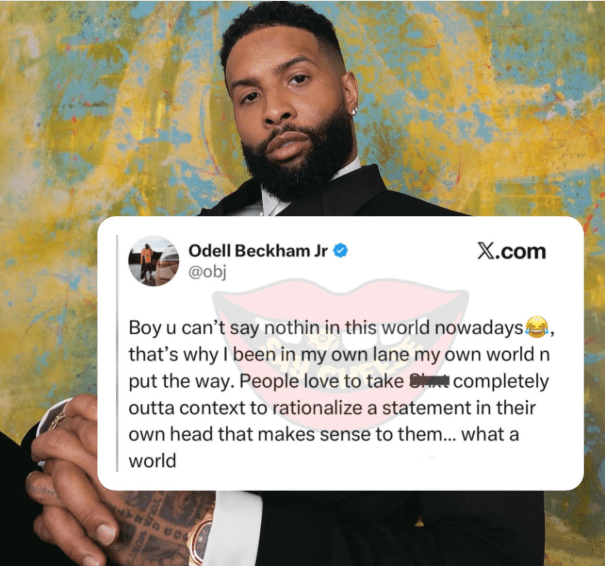
The controversy quickly shifted from OBJ’s opinion to a larger question:
Why are so many wealthy athletes going broke sometimes within just two years of retirement?
Raymond Felton didn’t just offer an opinion. He provided the answer, the warning, and the harsh truth all in one explosive interview.
2. The Reality Check: Felton Exposes the Lifestyle Trap That Swallows Athletes Whole
When Felton said, “When them checks stop, that s–t gotta stop,” he wasn’t being dramatic. He was being brutally accurate. Athletes get accustomed to enormous paydays from massive contracts to performance bonuses, sponsorship deals, appearance fees, and more. That steady flow creates a sense of invincibility, a belief that the money will never slow down, let alone stop.
Meanwhile, the expenses of a superstar lifestyle quietly grow alongside the income. Private jets, luxury cars, multi million dollar homes, designer clothes, jewelry, elite personal trainers, chefs, stylists, entourages, child support, and the never ending pressure to maintain an image all of these add up quickly.
Felton explained that many young athletes confuse income with wealth. They think they are wealthy simply because their checks are big. But a million dollar lifestyle can destroy a $100 million career if someone keeps spending like the paychecks will always be there.
According to long standing studies, nearly 60% of NBA players go broke within five years of retirement, and almost 80% of NFL players face major financial stress within three years.
Felton has seen this firsthand. He has seen players earning $20-25 million per year struggle after walking away from the game. He has seen locker room teammates who owned five cars but had no savings. He has seen stars buying unnecessary jewelry on impulse, taking entire clubs of people out to dinner, handing out money to relatives and strangers, or investing in shady business ventures without understanding what they were signing.
This is why he pushed back so aggressively against Beckham’s claim. To Felton, OBJ’s take wasn’t simply wrong it was dangerous. Young players listen to stars like Beckham. Fans listen. And when a superstar claims $100 million “isn’t enough,” it creates an illusion that wealth is unattainable, that financial security is impossible, and that being responsible isn’t enough.

Felton’s interview instead emphasized discipline, reality, and responsibility, urging athletes to understand that money is a tool not a guarantee.
He made one message crystal clear:
If your lifestyle doesn’t adjust when the income stops, you will lose everything.
Beckham’s claim may have gone viral, but Felton’s warning is what stuck with people. It opened the door to a larger, uncomfortable conversation about the realities of high income careers, how quickly athletes fall into lifestyle addiction, and what happens when they can no longer keep up with the image they created.
3. A Deep Dive Into Athlete Spending: Why Even Huge Fortunes Evaporate
To understand why Felton responded the way he did, you have to understand the scale of lifestyle inflation that takes place in professional sports. Most athletes enter their leagues in their early 20s, often coming from lower income backgrounds where financial literacy is minimal. Suddenly, overnight, they’re millionaires. They don’t just make more money they make more than anyone they have ever known.
That kind of jump creates psychological pressure to live like a superstar, to prove success, and to compensate for years of struggle. This is where the spending begins not out of arrogance, but out of emotional reaction.
Players buy the biggest house, the most expensive car, the rarest watches. They feel obligated to take care of family members, sometimes entire neighborhoods. They hire entourages. They travel first class everywhere. And none of this behavior happens in moderation.
The problem is that athlete careers are short, often painfully short. Injuries, poor performance, roster changes, trades, or coaching decisions can cut a career in half. The average NFL career is roughly 3 years. The average NBA career is around 4.5 years.
A player might enter the league expecting a decade long run but be forced out after two or three seasons. When that happens, the lifestyle they built doesn’t vanish just because the paychecks do.
Felton highlighted a painful truth about athletes:
They adjust their spending to match their income but they never adjust it back when the income disappears.
OBJ’s argument mentioned taxes and family responsibilities, but Felton argues that even after those deductions, the real issue is spending, not earning. Athletes don’t lose their fortunes because of taxes. They lose them because they spend money faster than they earn it, and because they mistake short term income for permanent wealth.
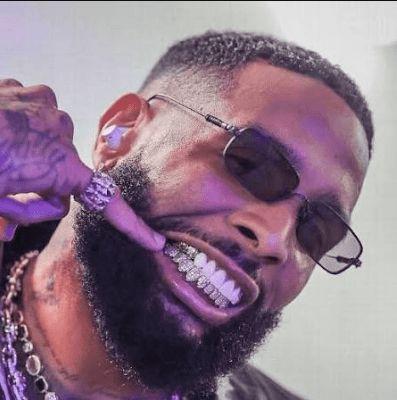
No athlete wants to admit they can’t afford their lifestyle, so they keep spending even when their income drops. They don’t downsize the house. They don’t sell the car. They don’t cut down expenses.
This is what Felton meant when he said, “When them checks stop, that s–t gotta stop too.”
If a player doesn’t scale down, bankruptcy becomes inevitable. It doesn’t matter whether they made $5 million or $100 million.
And this is precisely why fans sided with Felton. OBJ may have been highlighting the challenges of wealth management, but Felton was highlighting reality the part fans can relate to, the part young athletes need to hear, and the part too many superstars ignore.
4. The Psychology of Fame: Why Athletes Lose Perspective on Money
Felton’s comments weren’t just financial they were psychological. He wasn’t only criticizing Beckham’s numbers. He was criticizing the mindset behind them.
Athletes live in a world where luxury becomes normal. They stay in the best hotels, drive the best cars, and eat at the best restaurants not because they’re arrogant, but because the environment around them normalizes it. Every teammate has a Rolex. Every friend has a chain. Every competitor has a private chef.
When this becomes your everyday reality, it stops feeling like luxury and starts feeling like survival. You don’t buy expensive things because you want to you buy them because you don’t want to look like you aren’t “on the same level.”
This competitive spending culture creates an illusion that superstars are invincible. They believe the money will always be there. They believe endorsements will always come. They believe the fame will never fade.
But the moment an athlete retires, gets injured, or loses relevance, life changes dramatically. They are no longer at the center of attention. There are no more performance bonuses. No more merchandise royalties. No more media appearances. No more sponsorships.
Felton’s point was that OBJ views $100 million through the eyes of someone used to a lavish lifestyle. But a person who never experienced wealth sees $100 million as impossible to spend money. Felton came from that world, and his understanding of value is very different.
5. The Real Fix: Education, Discipline, and Breaking the Cycle for Future Athletes
One of the most powerful parts of Felton’s message wasn’t his criticism it was his solution. He emphasized that athletes must be educated early, mentored deeply, and taught the value of money before they are thrown into the pressure cooker of fame.
Felton is part of a growing movement of retired athletes speaking out about money mismanagement. These players are using their own mistakes, their teammates’ stories, and decades of observations to create awareness.
Athletes need:
Financial advisors who aren’t exploitative
Spending plans
Liquid savings
Long term investments
Clear boundaries with friends and family
Understanding of taxes
Perspective on luxury vs necessity
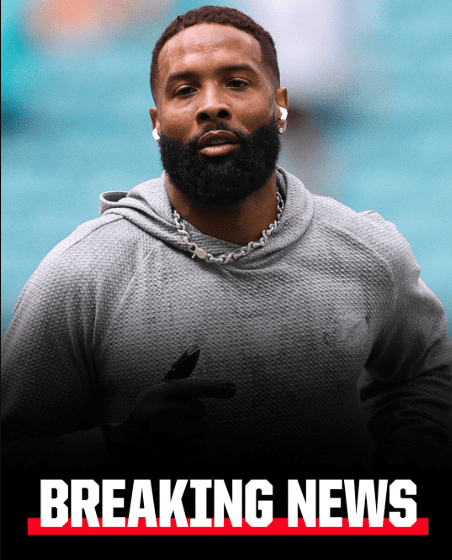
Felton’s message resonated because he wasn’t preaching. He was warning. He made it clear that the industry has been failing young athletes for years not by not paying them enough, but by failing to prepare them for the pressure and pitfalls of sudden wealth.
OBJ’s statement triggered this conversation, but Felton’s response may actually help athletes avoid becoming part of the 60% who lose everything.
The sports world needs more voices like his voices that aren’t afraid to tell uncomfortable truths.
6. Why Felton’s Message Matters More Than the Controversy
This wasn’t just another athlete argument. It became a cultural moment because it highlighted the massive disconnect between celebrity life and normal life. OBJ’s statement sounded outrageous to most people because the average person works decades to make even a fraction of what he earns in a single season.
Felton’s response resonated because he spoke for them. He reminded everyone including athletes that wealth is relative, money is finite, and financial responsibility is universal.
OBJ’s comment wasn’t evil. It wasn’t malicious. It was simply a reflection of his world. But Felton’s answer was a reflection of reality the world most people live in, and the world athletes eventually return to once the fame fades.
Felton’s message stands as a reminder to every rising star:
Money doesn’t last forever unless you treat it like it won’t last forever.
OBJ opened the conversation.
Felton delivered the truth.
And the sports world will be talking about this clash for a long time.