Jazz Head Coach Will Hardy Erupts at Players After Brutal 45-20 First Quarter vs OKC Timeout Meltdown Goes Viral and Sparks Social Media Frenzy
The Utah Jazz faced an absolute nightmare start last night against the Oklahoma City Thunder. From the opening tip, OKC dominated every facet of the game, outscoring the Jazz 45-20 in the first quarter. The disparity was so severe that Jazz head coach Will Hardy found himself at his wit’s end.
Fans watching the game were stunned by the lopsided start. Utah, a team that has shown flashes of brilliance this season, appeared completely unprepared. Defensive lapses, missed assignments, and a lack of energy compounded the problem. On the offensive end, the Jazz struggled to find rhythm, with shots clanging off the rim and passes failing to connect. By the time the first quarter ended, it was clear that the Jazz were in full crisis mode, prompting an intense sideline reaction from Hardy.
This kind of start is rare in the NBA, especially for a team that prides itself on discipline and execution. Analysts immediately began dissecting what went wrong, noting that the Jazz’s inability to contain OKC’s fast-paced offense was a critical factor. The combination of turnovers, missed rotations, and poor shot selection created the perfect storm that led to a historically bad quarter, setting the stage for a dramatic timeout meltdown from the head coach.
Will Hardy’s Timeout Eruption
During a timeout following the disastrous first quarter, Will Hardy unleashed a fiery tirade at his players. His frustration boiled over after witnessing repeated lapses in effort and execution. On the broadcast, viewers could hear Hardy exclaim, “I’m tired of fing doing this every game! Fing play harder!” The intensity of his reaction was palpable, leaving fans and commentators alike shocked at the raw emotion displayed on the sidelines.
Hardy’s meltdown was not just about one poor quarter; it was a culmination of recurring issues that have plagued the Jazz this season. The coach’s frustration highlighted his commitment to accountability and effort, emphasizing that professional standards must be maintained regardless of opponent or circumstance. This level of candor is rare in the modern NBA, where sideline emotions are often filtered, making Hardy’s outburst both newsworthy and viral.
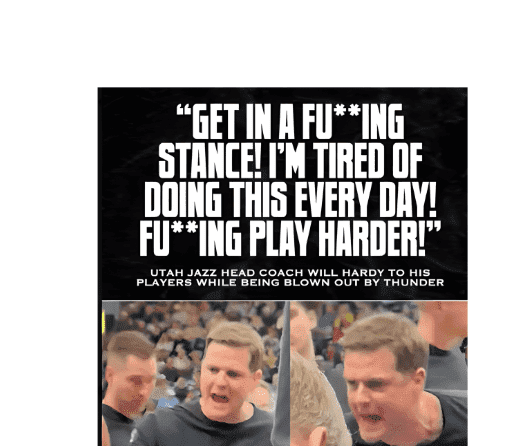
Players reacted visibly to the tirade. Some nodded in agreement, acknowledging the seriousness of the situation, while others looked down, processing the stern critique. Hardy’s fiery approach serves as a reminder that coaching in the NBA involves not just strategy but also motivating and holding players accountable when performance falls short.
Fans and Analysts React to the Meltdown
Social media erupted following Hardy’s timeout eruption. Clips of the tirade quickly went viral on Twitter, Instagram, and TikTok, sparking heated debates among fans. Many applauded Hardy for his passion and dedication, praising him for demanding accountability from his players. Others questioned whether such a public display of frustration might affect team morale or create tension in the locker room.
Analysts weighed in as well. Some argued that Hardy’s outburst was a natural response to the first-quarter embarrassment and that it served as a wake-up call for the Jazz. Others noted that while fiery coaching can motivate some players, repeated public meltdowns risk undermining trust if not managed carefully. Overall, the incident became one of the most talked-about moments in the NBA that night, illustrating how a single timeout can dominate headlines and fan conversation.
The fan response highlighted the growing trend of viral NBA moments. In an era where every clip is shared instantly, coaches’ sideline behavior can shape public perception and media narratives just as much as on-court performance. Hardy’s meltdown not only emphasized his passion but also reinforced the intensity and scrutiny that comes with leading a professional basketball team.
OKC’s Dominance and Jazz Struggles
Oklahoma City’s performance in the first quarter was a testament to their offensive efficiency and team chemistry. The Thunder executed plays with precision, hitting open shots and exploiting defensive gaps in the Jazz’s rotations. Their fast-paced style overwhelmed Utah, forcing turnovers and creating transition opportunities that quickly turned into points.
For the Jazz, the struggles were both tactical and mental. Defensive assignments were missed, rotations were slow, and offensive flow was disrupted. Even established stars struggled to find rhythm, reflecting the team’s collective disorganization. Analysts pointed out that OKC’s energy and aggression put Utah on the back foot from the outset, highlighting the importance of preparation and adaptability in professional basketball
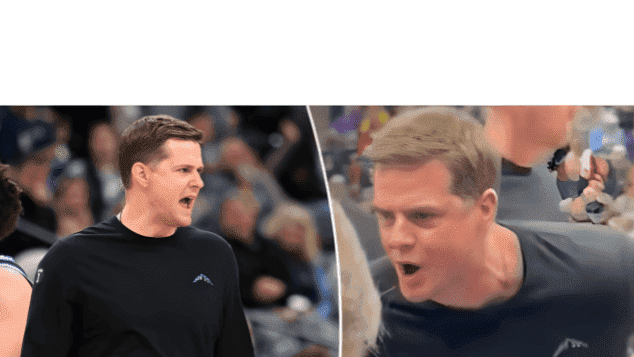
Despite the dismal first quarter, the game was not over. The remainder of the matchup provided an opportunity for the Jazz to regroup, adjust strategies, and respond to Hardy’s fiery halftime message. However, the first quarter deficit emphasized the consequences of poor preparation and underscored why Hardy’s passionate reaction was deemed necessary by many observers.
What This Means for Utah’s Season
The meltdown against OKC has broader implications for Utah’s season. While one poor quarter does not define a team, recurring issues such as lack of effort, inconsistent defense, and poor execution could threaten playoff aspirations. Hardy’s public display of frustration signals that accountability will be a major theme moving forward.
Teams that struggle early in games risk falling into patterns of defeat if adjustments are not made. For the Jazz, the lesson is clear: intensity, focus, and execution must be consistent across all quarters. Hardy’s outburst serves as both a warning and a motivational tool, emphasizing that complacency will not be tolerated. Fans and analysts will closely monitor how the team responds in upcoming games, particularly in high-pressure situations against competitive opponents.
Additionally, this incident sheds light on Hardy’s coaching philosophy. He demands high standards and refuses to compromise on effort or professionalism. How the Jazz respond could define his credibility and influence team culture, potentially shaping the trajectory of the remainder of the season.
Lessons From Hardy’s Sideline Fiery Moment
Will Hardy’s timeout eruption offers several lessons for both players and fans. First, it underscores the importance of accountability. Even in professional sports, sustained effort and attention to detail are non-negotiable. Second, it highlights the role of emotional intelligence in coaching balancing passion and motivation while maintaining respect and professionalism is critical.
For players, the moment serves as a reminder that performance is scrutinized and that effort must match expectation. For fans, it provides insight into the pressures faced by coaches and the intensity required to compete at the NBA level. Finally, the viral nature of the meltdown emphasizes the influence of media and social platforms, where every reaction and clip can shape public discourse.
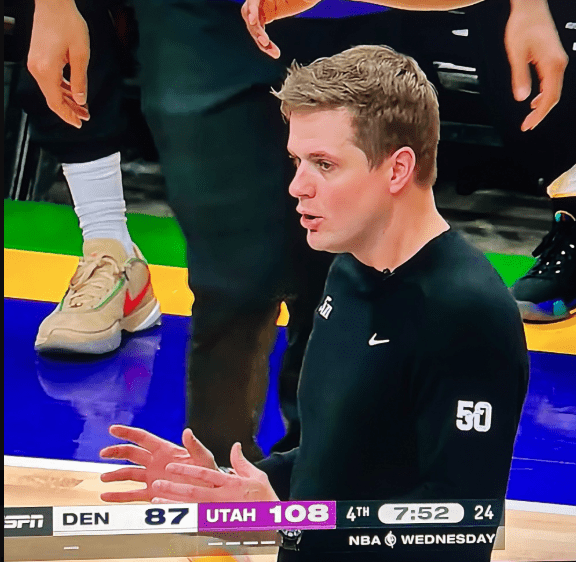
Ultimately, Hardy’s fiery sideline moment was more than just an outburst; it was a reflection of commitment, passion, and the drive to win. It may serve as a turning point for the Jazz, inspiring them to elevate performance, adjust strategies, and regain control in future matchups. The incident will undoubtedly be remembered as one of the most talked-about coaching moments of the 2025 season, proving that emotion and accountability are integral parts of NBA culture.