Michael Beasley Reveals Shocking $200,000 Rookie Debt After Pat Riley’s Miami Scolding: How the NBA Star Went From Lavish Spending to Sleeping in His Car Despite $33 Million Earnings
FROM ROOKIE HYPE TO FINANCIAL CHAOS: BEASLEY’S MIAMI LESSON
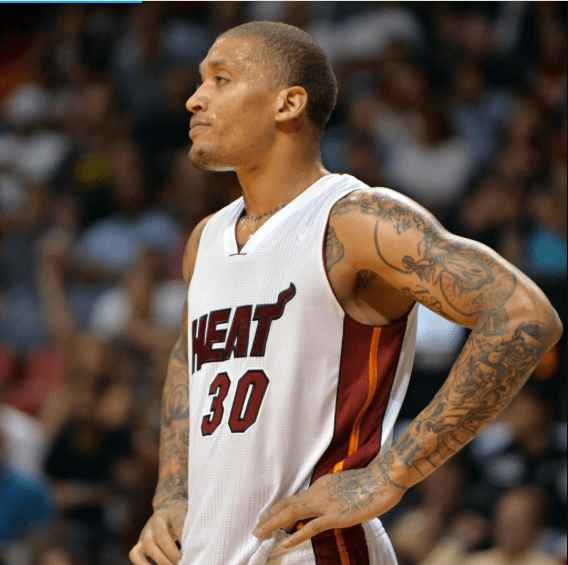
Michael Beasley’s rookie year with the Miami Heat is remembered for his immense talent, flashy lifestyle, and one unforgettable meeting with team president Pat Riley. As the No. 2 overall pick in the 2008 NBA Draft, expectations were sky high. On the court, Beasley delivered athleticism, scoring, and potential that promised a long and lucrative NBA career. Off the court, however, the young forward was unprepared for the financial pressures and fame that accompanied his sudden wealth.
Barely a month into his tenure in Miami, Beasley found himself in Pat Riley’s office for what would become a life altering conversation. Riley, renowned for his no nonsense approach and intense attention to player development, confronted Beasley about his spending habits. The rookie had accumulated $200,000 in debt despite earning a $4.3 million salary for his first season.
Beasley’s recounting of the encounter is both humorous and sobering. “He was like, ‘Bro, what kind of crazy are you?’ And I’m like, ‘Huh?’ He said, ‘Bro, you’ve been in the NBA for a month, you $200,000 in debt,’” Beasley shared on Theo Pinson’s “Run Your Race” podcast. The scolding highlighted the dangers of unbridled spending and the necessity of guidance from veterans and management for young players suddenly thrust into the professional spotlight.
THE ROOKIE LUXURY TRAP
Beasley’s early career was marked by extravagance. His first moves included purchasing a six bedroom mansion, acquiring three dogs, and inviting four friends to live with him. The financial demands of maintaining such a lifestyle were enormous, especially for a rookie still adjusting to the responsibilities of professional life.
Luxury cars were another weak spot. Beasley reportedly bought nine cars in his first season, including high-end sports vehicles, further amplifying his expenses. Miami’s nightlife added yet another layer of financial strain, with Beasley admitting that the social scene catered to his stature and lifestyle, even though he was underage at the time.
This combination of housing, vehicles, social life, and entourage costs rapidly pushed the young star into debt, drawing the immediate attention of Riley and the Heat organization.
PATIENCE AND GUIDANCE FROM PAT RILEY
Pat Riley, one of the NBA’s most respected figures, had already attempted to guide Beasley before the rookie splurges escalated. Riley suggested that Beasley purchase a smaller two bedroom condo, which could accommodate his mother and visitors without excessive expense.
Beasley’s response reflected youthful stubbornness: he wanted more space, arguing that his upbringing in a small apartment justified his desire for grandeur. He went in the opposite direction, purchasing the large mansion instead. In hindsight, Beasley acknowledges that following Riley’s advice might have prevented years of financial instability and personal hardship.
Riley’s approach reflects a broader NBA practice: educating young players on money management is as critical as coaching skills on the court. The league frequently exposes athletes to sudden wealth without adequate preparation, a combination that has historically led to bankruptcies and financial mismanagement.
THE FINANCIAL CONSEQUENCES
Despite eventually earning over $33 million in his NBA career, Beasley faced severe financial challenges. He went broke and even reported sleeping in his car from 2021 to 2023, years after his professional debut.
The contrast between early wealth and later hardship underscores the risks of poor financial planning and impulsive spending. Many NBA players encounter similar pitfalls, as fame, peer pressure, and lifestyle expectations compound the difficulties of managing newfound wealth.
LESSONS LEARNED: FINANCIAL DISCIPLINE IN THE NBA
Beasley’s experience illustrates several key lessons for young athletes:
- Listen to veteran guidance Management and experienced players can provide essential advice about money, lifestyle, and professional responsibilities.
- Budget and plan early Even substantial contracts require careful management to ensure long term financial security.
- Avoid entourage strain Housing friends or family members, while generous, can multiply financial pressures unexpectedly.
- Prioritize long term stability over short term gratification Lavish purchases may provide immediate satisfaction but can compromise future financial health.
- Prepare for unpredictability Injuries, trades, or career shifts can dramatically alter earning potential, making disciplined financial planning crucial.
Beasley openly admits he would have acted differently with hindsight, recognizing the wisdom in Riley’s advice and the value of conservative financial management.
THE BROADER CONTEXT: NBA PLAYERS AND MONEY MANAGEMENT
Beasley’s story is not unique. Numerous players have fallen into financial hardship despite substantial earnings. High-profile examples include Antoine Walker, Allen Iverson, and more recently, Jaylen Brown, who has discussed losing wealth through mismanagement.
The NBA has taken steps to mitigate these issues through financial literacy programs, mentorship, and rookie orientation, but individual discipline remains a critical factor. Beasley’s candid reflection provides a compelling case study in the importance of combining talent with prudence and foresight.
CONCLUSION: FROM ROOKIE MISTAKES TO LIFE LESSONS
Michael Beasley’s journey from lavish rookie spending to personal and financial struggle highlights the unique pressures facing young NBA players. His encounter with Pat Riley served as an early warning, illustrating the importance of guidance, discipline, and humility. While talent can launch a career, managing wealth, lifestyle, and personal responsibility ensures longevity and stability both on and off the court.
Beasley’s story is ultimately one of resilience. Despite setbacks, he continues to share his experiences, providing invaluable lessons for future generations of athletes. His candid reflections are a reminder that even in the world of professional sports, wisdom and foresight are just as crucial as skill and athleticism.