“I Promise You I’m Not Going to That S—t”: LiAngelo Ball’s Blunt Refusal of Therapy After His China Arrest Reveals the Mindset That Changed Everything
There was a time when the Ball family felt unavoidable in the basketball world. Headlines followed them everywhere, cameras were always rolling, and expectations were sky-high. Lonzo Ball entered the NBA with franchise-point-guard projections, LaMelo Ball was marketed as a future superstar before he could legally drive, and LiAngelo Ball was supposed to be the underrated middle brother who quietly carved out his own path.
The Ball Family Hype That Once Took Over Basketball
The Ball brand was built on confidence, swagger, and an almost aggressive belief that traditional systems were unnecessary. From AAU dominance to high school fame at Chino Hills, the family narrative revolved around self-belief and independence. That mindset created stars, but it also planted the seeds for resistance to authority, structure, and accountability something that would later define LiAngelo’s most infamous moment.
The China Incident That Changed LiAngelo’s Trajectory Forever
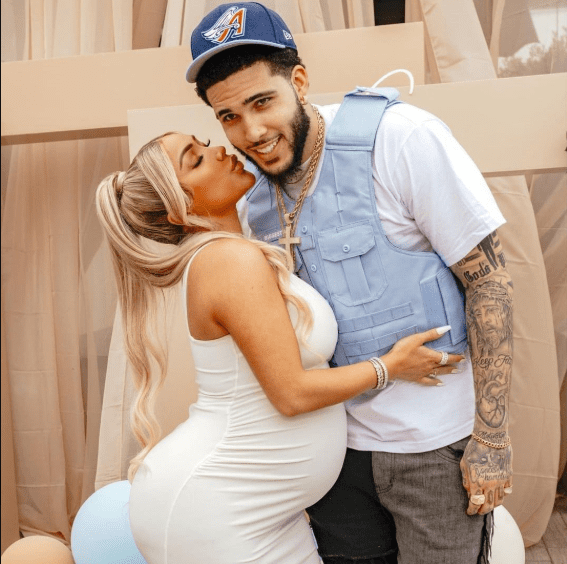
In 2017, LiAngelo Ball’s basketball journey took a dramatic and irreversible turn during a UCLA team trip to China. What was supposed to be an international bonding experience turned into an international incident when LiAngelo and two teammates were arrested for shoplifting sunglasses from a luxury store near their hotel.
The situation escalated far beyond a college disciplinary issue. Chinese law enforcement detained the players, and the severity of the legal system abroad turned a foolish mistake into a diplomatic concern. Eventually, then-U.S. President Donald Trump personally intervened to help ensure the players’ safe return to the United States.
While LiAngelo made it home physically unharmed, the emotional and reputational damage was permanent. His UCLA career was effectively over, NBA teams took notice, and the narrative around him shifted from “underrated scorer” to “liability.”
Why LiAngelo Flat-Out Refused Therapy at UCLA
Upon returning to UCLA, the university attempted to handle the situation in a way many institutions would consider responsible. Therapy was recommended, even mandated, as part of addressing the psychological aftermath of the arrest and the decision-making that led to it. But LiAngelo was having none of it.

Years later, LiAngelo spoke openly about that moment, revealing just how strongly he rejected the idea of therapy. He recalled being told that attending sessions was mandatory, and his response was immediate and aggressive. Rather than seeing therapy as support, he viewed it as an insult and an intrusion.
To LiAngelo, sitting across from someone analyzing his choices felt pointless. He believed no outsider could understand his situation or provide meaningful guidance. Instead of complying, he threatened to leave UCLA entirely, even telling school officials to clean out his locker if therapy was non-negotiable.
That refusal was not just about therapy. It was about control, pride, and an unwillingness to accept help traits that would continue to follow him throughout his career.
A Mindset Built on Stubbornness, Not Adaptation
LiAngelo’s stance reflected a deeper issue that had little to do with basketball skill. In professional sports, talent opens doors, but adaptability keeps them open. Coaches, executives, and organizations look for players who can learn, adjust, and accept criticism.

LiAngelo consistently projected the opposite. His resistance to therapy symbolized a broader unwillingness to reflect or evolve. While others saw therapy as a chance to reset mentally and rebuild trust, he saw it as weakness.
That mindset became a red flag. NBA teams already questioned his defense, athletic ceiling, and off-ball impact. The refusal to engage in personal growth only reinforced doubts about whether he could survive the demands of professional basketball.
How This Pattern Echoes Across the Ball Brothers
Although LiAngelo’s situation is the most extreme, elements of stubbornness appear throughout the Ball family narrative. LaMelo Ball possesses breathtaking talent, yet critics often point to lapses in discipline and focus. His reliance on highlight plays sometimes overshadows fundamentals, raising questions about how high his ceiling truly is.
Lonzo Ball, on the other hand, seemed to mature the most, but injuries derailed his momentum just as he began finding stability. While not a question of attitude, his career underscores how fragile success can be without full alignment between body, mind, and environment.
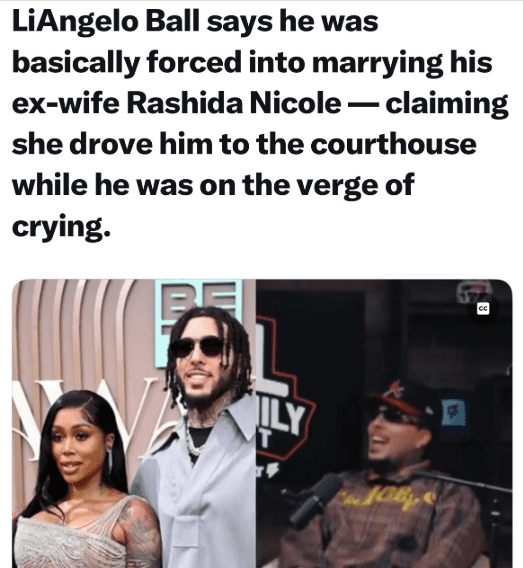
LiAngelo’s refusal of therapy fits into this larger story. It highlights a family culture built on independence and confidence, but sometimes lacking accountability and flexibility traits essential for long-term success at the highest level.
Life After Basketball and Lessons Learned Too Late
Today, LiAngelo Ball has shifted his focus away from basketball, finding moderate success in music and social media ventures. While he appears more comfortable outside the rigid structure of professional sports, the question lingers: what could have been if he had embraced growth instead of resisting it?
Therapy was never about punishment. It was about understanding pressure, decision-making, and personal responsibility. In rejecting it, LiAngelo rejected a chance to reshape his narrative at a critical moment.
His story serves as a cautionary tale for young athletes navigating fame early in life. Talent can attract attention, but humility and adaptability determine longevity. Refusing help does not prove strength it often reveals fear of vulnerability.
The Bigger Picture: Fame, Ego, and Missed Opportunities
LiAngelo Ball’s story is not just about a theft in China or a refusal to attend therapy. It is about how ego can override opportunity, how pride can block growth, and how moments of crisis demand introspection more than defiance.
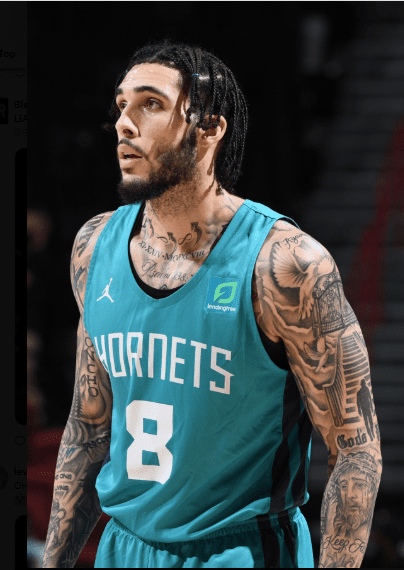
In professional sports, the margin for error is razor-thin. One mistake can be forgiven. A refusal to change rarely is. LiAngelo had chances others would dream of, but when confronted with adversity, he chose resistance over reflection.
That choice didn’t just alter his career. It defined it.