“Inside the Clippers Meltdown: Chris Paul’s Sudden Exit, the Viral Blake Griffin DeAndre Jordan Reunion Call, Lob City Secrets Revealed & Why the Franchise Is Falling Apart Again”
INTRODUCTION A FRANCHISE IN CHAOS AGAIN
The Los Angeles Clippers have always carried a certain aura of unpredictability. Their history is riddled with bizarre moments, strange decisions, near championship heartbreaks, and unexpected collapses. But the events surrounding Chris Paul’s shocking 2025 exit from the franchise followed immediately by a viral reunion video call featuring Blake Griffin and DeAndre Jordan may have delivered one of the most surreal chapters in Clippers history yet. The 40 year old future Hall of Famer, who returned for a final season with the team he helped legitimize, was dismissed abruptly and without warning, triggering shockwaves across the league. For long-time NBA fans, it unearthed old wounds, memories of broken promises, and a lingering question that has shadowed the franchise for decades: Why do the Clippers keep burning bridges with their greatest players?
The unexpected move, especially during a disastrous 5–16 start with a roster plagued by injuries, stunned media members and confused fans. How could a team struggling this badly afford to suddenly part ways with one of the greatest point guards of all time? And why did the move feel so cold, so sudden, and so painfully familiar? But in the middle of this franchise collapse, a different viral moment softened the blow: Chris Paul laughing on a late night Instagram video call with Blake Griffin and DeAndre Jordan his old Lob City brothers. It was a clip that instantly took over social media, signaling that even as the Clippers unravel, the brotherhood built a decade ago still lives.
This article explores every angle the decision, the fallout, the historical patterns, the Lob City legacy, the resurgence of old wounds, and why Chris Paul’s reunion call felt like a symbolic middle finger to a franchise that can never seem to get out of its own way.
1. THE SHOCKING BREAKUP: HOW THE CHRIS PAUL EXIT WENT DOWN
Chris Paul wasn’t supposed to go out like this. When he returned to the Clippers for the 2025 season, fans saw it as a poetic final chapter. After years with the Rockets, Thunder, Suns, and Warriors, Paul chose to close out his legendary career with the team he helped elevate from a laughingstock to a legitimate contender. He embraced a smaller role, accepted reduced minutes, mentored younger guards, and became an emotional anchor during a season that desperately needed leadership.
But Paul’s homecoming ended abruptly. The Clippers announced overnight that they were “parting ways” with Paul a statement framed as collaborative but later revealed to be anything but mutual. According to early reporting, Paul was not the one who sparked the conversation. The decision came from the front office, and despite polite wording, the move blindsided him. Even more stunning was the timing: The Clippers were in catastrophic condition at 5–16, ravaged by injuries, lacking depth, lacking leadership, and lacking direction. Yet instead of leaning on one of the smartest players the league has ever seen, they severed ties.
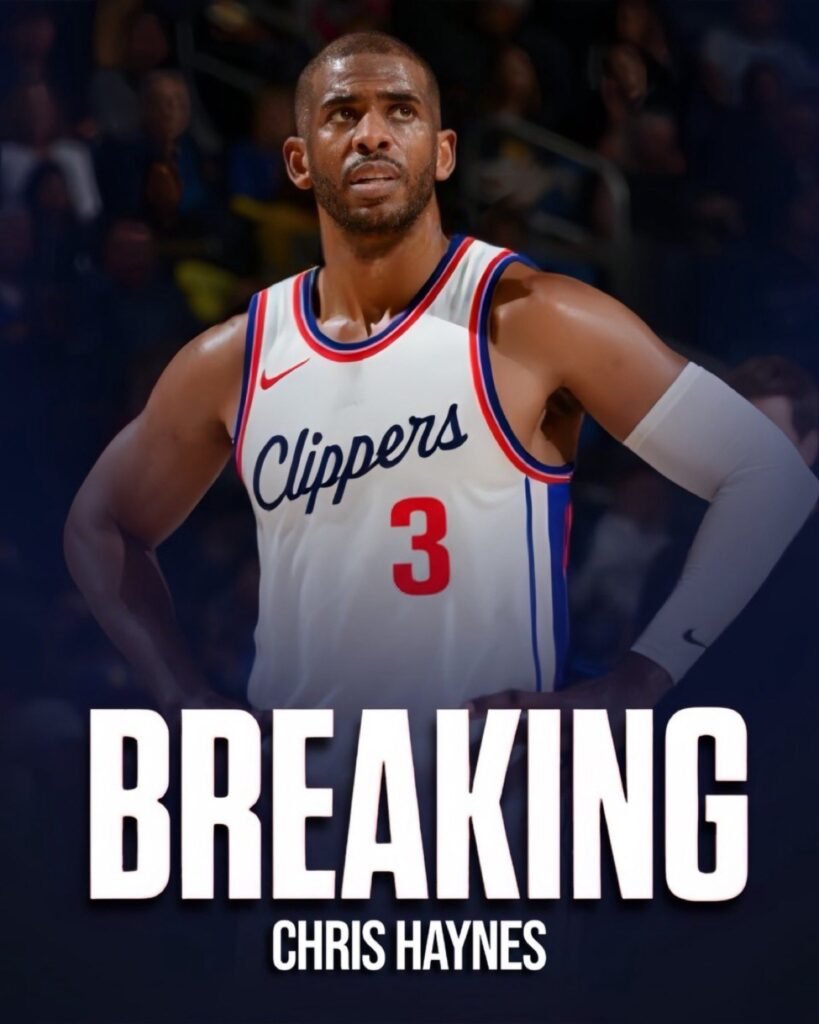
Lawrence Frank, the Clippers’ president of basketball operations, attempted to cushion the backlash by saying the organization would “support Paul in whatever comes next,” an odd statement considering Paul has already publicly announced that this season is his last. The immediate reaction across sports media was confusion mixed with frustration. Why push out a player whose on court contributions weren’t hurting anyone and whose off court presence was invaluable?
For many, the move didn’t feel like a basketball decision. It felt personal. It felt political. It felt like the Clippers were simply repeating their own history a history where star players lose trust, culture erodes, communication breaks down, and relationships end in resentment.
And this move felt especially disrespectful because Chris Paul wasn’t just another player. He was, statistically, the greatest player in franchise history.
2. THE VIRAL REUNION CALL A LAUGH IN THE MIDDLE OF CHAOS
Hours after the breakup, the NBA world expected silence from Chris Paul. Maybe a statement, maybe a press conference, maybe a cryptic tweet. Instead, Paul popped up on Instagram smiling and laughing with Blake Griffin and DeAndre Jordan, creating a moment the internet instantly turned into a meme factory.
The video call casual, unexpected, and somehow wholesome showed the three former Lob City stars laughing like old friends sharing jokes from a past life. Paul posted the clip with a simple message, letting the world know that he wasn’t sulking, wasn’t defeated, and wasn’t letting the franchise steal his joy during what should have been a celebratory final season.
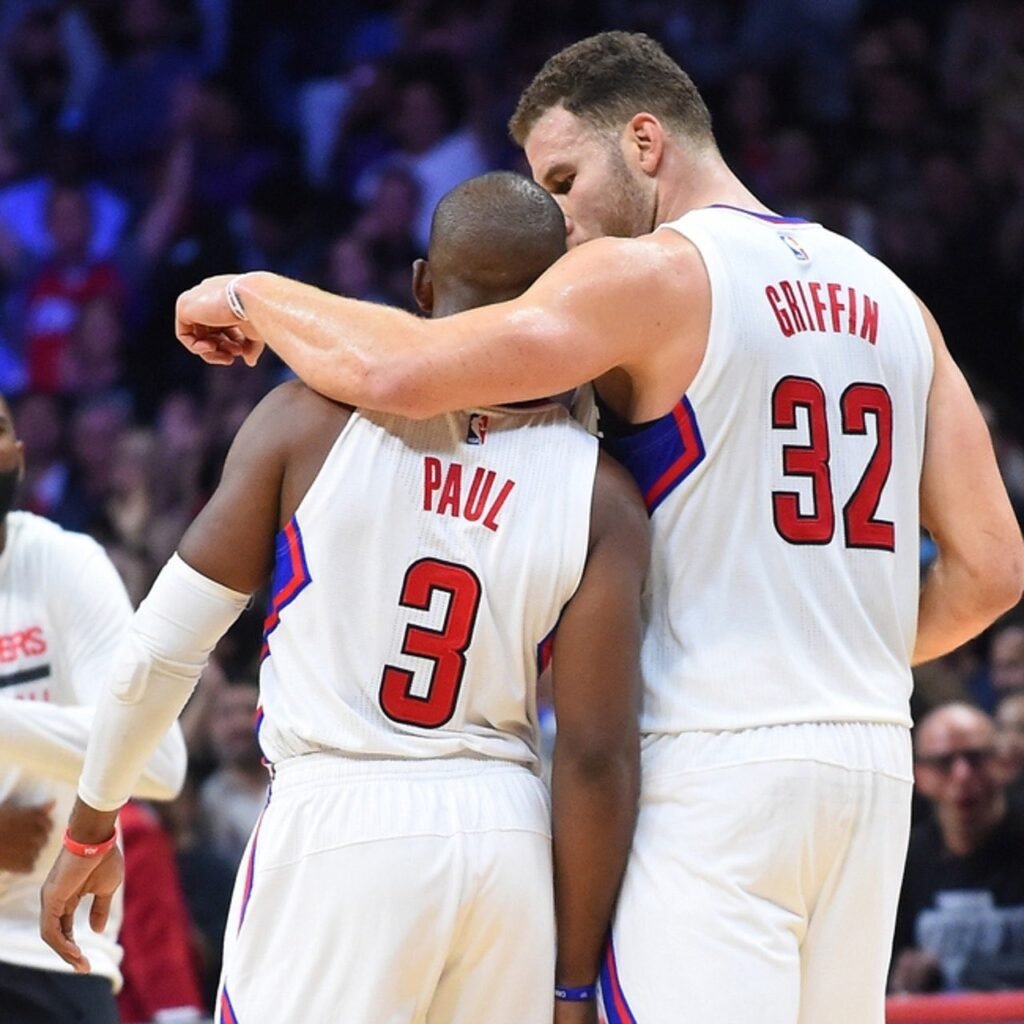
For Clippers fans, the moment was emotionally complicated. On one hand, it was heartwarming to see the trio together again, years after internal conflicts, locker room tension, and playoff disappointments fractured their relationships. On the other hand, the reunion underscored just how badly the Clippers mishandled their relationship with their biggest stars. These three men should have had their jerseys retired together, celebrated as heroes who transformed the team’s identity. Instead, all three left the franchise under awkward circumstances.
The reunion also reminded fans of what made Lob City special: the chemistry, the electricity, the laughter, the swagger, the friendship. While the era didn’t yield championships, it brought national relevance, star power, and a new cultural footprint. Seeing Paul, Griffin, and Jordan smiling together felt like closure a sign that the players had healed even if the franchise never did.
The clip went viral instantly. NBA players commented. Memes spread. Fans speculated whether the call was a subtle shot at the Clippers organization. Others argued it was merely friends checking in during a tough moment. But regardless of the intention, the timing was too perfect. At the exact moment the Clippers were once again drowning in organizational chaos, the faces of their greatest era reunited to laugh, unbothered.
It felt symbolic. It felt poetic. And it felt like a reminder that the Clippers always lose their stars but the stars never lose each other.
3. LOB CITY: THE RISE, THE MAGIC, THE BROKEN PROMISES
To fully understand why Chris Paul’s exit feels so painful, one must examine the Lob City era itself a period defined by brilliance, dysfunction, joy, and heartbreak. When Paul joined the Clippers in 2011 after the league controversially blocked his trade to the Lakers, the basketball world shifted. Overnight, the Clippers became must-watch entertainment. Paul’s genius paired with Blake Griffin’s explosiveness and DeAndre Jordan’s vertical dominance transformed the franchise from a league wide punchline into a legitimate threat.
From 2011 to 2017, the Clippers had the third-best record in the entire NBA. They regularly dominated national television. Their dunks went viral weekly. Their halfcourt sets were surgical. Their highlight reel plays resurrected Clippers fandom. And for the first time, they were a team fans actually feared.
But behind the scenes, the dream was rotting.
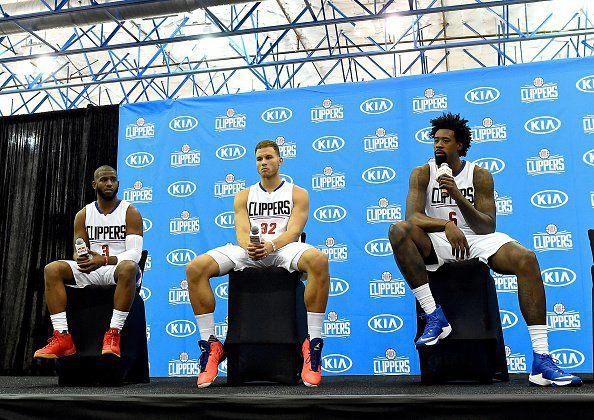
The chemistry fractures between Paul and Griffin became NBA folklore. Griffin’s frustrations, Paul’s demanding personality, Jordan’s emotional fluctuations, Doc Rivers’ dual role as coach and general manager, and the constant weight of playoff failures created an internal pressure cooker. The iconic 3–1 collapse against the Houston Rockets in 2015 became a symbol of the era a moment where talent wasn’t enough, leadership wavered, and trust fell apart.
By the time the trio disbanded, the Clippers had no conference finals appearances, multiple roster flameouts, and several micro scandals that made them feel like a reality show disguised as a basketball team.
Each star’s exit was complicated:
• Chris Paul was traded after tensions with the front office and questions about the team’s direction.
• Blake Griffin signed a max contract after the team held a theatrical pitch presentation only to be shipped to Detroit six months later.
• DeAndre Jordan famously fled his home during free agency, barricaded inside by teammates, only to leave the franchise a year later anyway.
When the era died, it died messy. And Paul’s 2025 exit felt like a grim sequel proof that the Clippers never learned from their past mistakes.
4. THE FRANCHISE DOWNFALL WHY EVERYTHING IS FALLING APART AGAIN
When the Clippers moved into their brand-new arena and secured a roster built around Kawhi Leonard, Paul George, and later Russell Westbrook and other veterans, many thought the organization finally turned a corner. They had star power, ownership support, deep pockets, and championship aspirations.
But the same old patterns reemerged.
Star players rarely stayed healthy. Chemistry issues resurfaced. Expectations outweighed results. The team continuously traded away draft picks, leaving little long term stability. Those moves, once justified by the hope of contention, now appear reckless.
This season’s collapse a 5–16 disaster was fueled by the same organizational issues that have haunted the Clippers for decades:
• injuries to key players
• inconsistent rotations
• questionable front office decisions
• poor player development
• lack of continuity
• desperate trades that sacrificed the future
• an identity crisis on both ends of the floor
Against this backdrop, releasing Chris Paul was the final straw. It made the franchise look directionless, disorganized, and panicked. After years of fighting to shake the “cursed Clippers” image, the team may have slid right back into that identity.
Fans are furious. Analysts are baffled. And rival teams are circling, waiting to poach whatever remaining value the Clippers have left.
5. WHAT THIS MEANS FOR CHRIS PAUL THE FINAL CHAPTER OF A LEGEND
Chris Paul’s legacy is already secure. He is arguably the greatest pure point guard of his generation, ranking near the top in assists, steals, and basketball IQ. His impact on winning, culture, leadership, and the midrange game is immeasurable.
But his final season deserved better.
It deserved respect.
It deserved celebration.
It deserved appreciation from the franchise he helped build.
Instead, Paul’s last chapter is now marked by confusion and disrespect. Perhaps this is why the reunion call felt so meaningful a reminder that Paul’s career is defined by brotherhood, leadership, and impact, not by the flawed decisions of one organization.
Where Paul goes next remains unclear. He may retire early. He may sign with a contender needing a veteran guard. He may take a behind the scenes role. But one thing is certain: He will leave the game on his own terms, not the Clippers’.
6. THE FALLOUT WHAT THE VIRAL VIDEO & EXIT MEAN FOR THE NBA
Chris Paul’s unexpected breakup with the Clippers didn’t just shake LA it shook the entire league. Teams now see a potential veteran addition. Analysts are questioning the Clippers’ leadership. Fans are attacking the front office. And the viral video of Paul, Griffin, and Jordan laughing together has become a symbol of player empowerment, unity, and resilience.
For many, the video wasn’t just a nostalgic moment. It was a cultural commentary:
Players move on.
Friendships last.
Franchises come and go.
But relationships built through struggle, success, and pain survive the chaos.
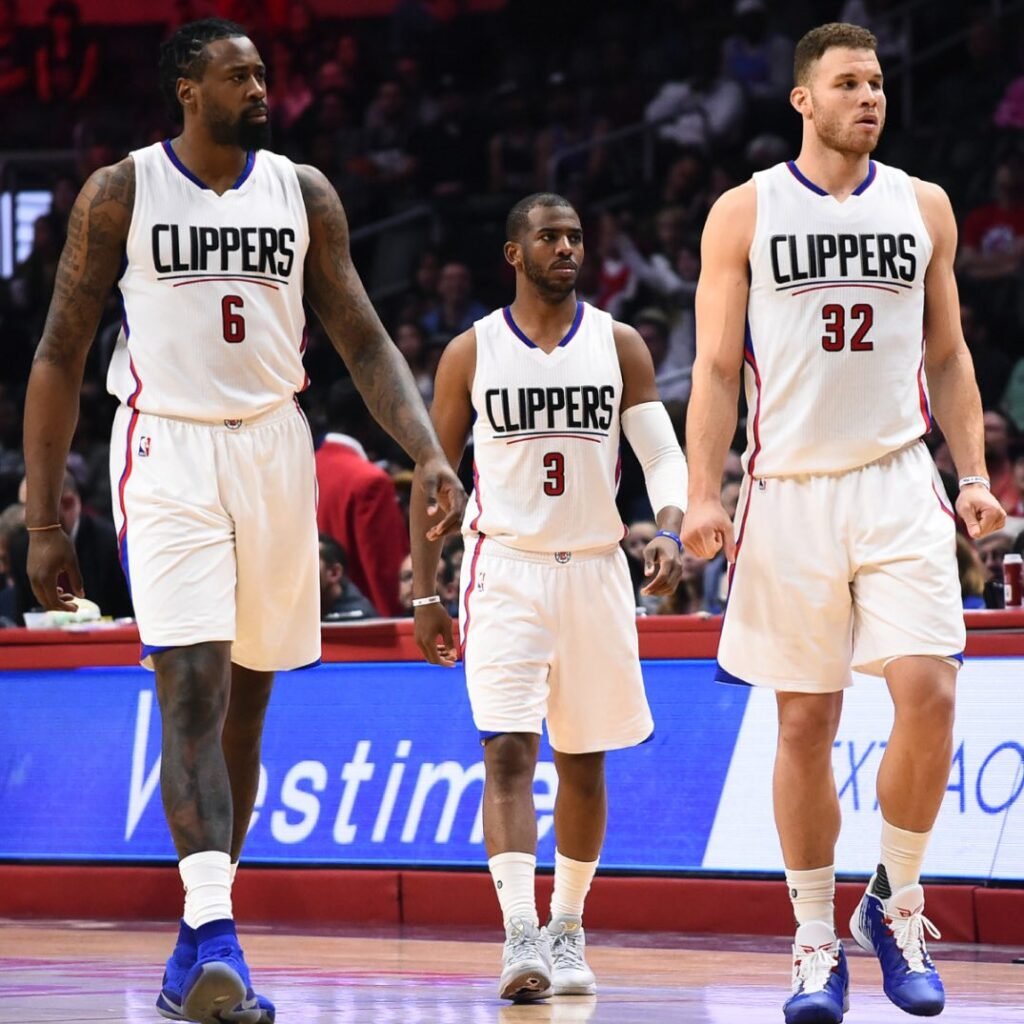
The Clippers tried to rewrite their identity in recent years, but this fiasco proves they still struggle with the same issues that plagued them during Lob City. And the viral call? It sent a message the brotherhood formed a decade ago is stronger than the dysfunction that pushed them apart.
CONCLUSION A FULL CIRCLE MOMENT
Chris Paul’s exit is more than a roster move. It’s a reflection of the Clippers’ continued inability to manage relationships with their stars. It’s a reminder of how history repeats itself when organizations fail to evolve. And thanks to one unexpected Instagram video call, it’s also a reminder that some bonds never break.
The Clippers may be in chaos. Their season may be collapsing. Their direction may be unclear. But Chris Paul is smiling. Blake Griffin is smiling. DeAndre Jordan is smiling. And somehow, that says everything.
Even as the Clippers continue doing “Clippers things,” the players who defined the franchise’s best era are still connected, still laughing, and still moving forward together something the franchise itself has never been able to do.