Dennis Schröder’s Controversial Analogy: NBA Trade Deadline and “Modern Slavery”
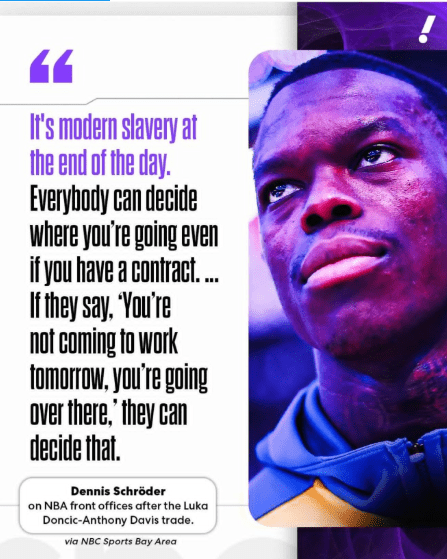
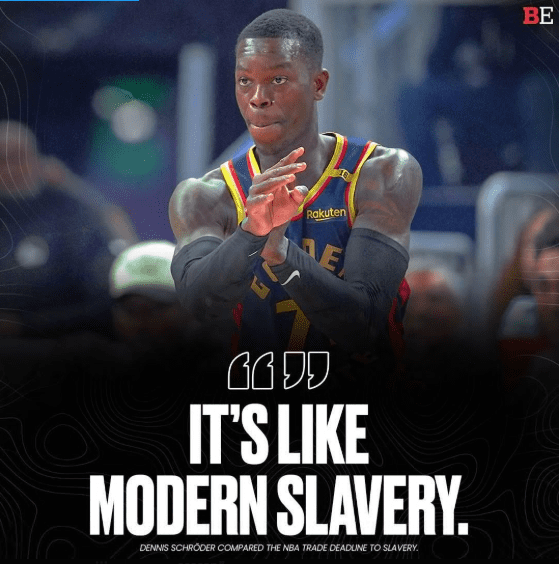
In a February 2025 interview that sparked immediate and intense debate, then-Toronto Raptors guard Dennis Schröder compared the experience of the NBA trade deadline to “modern slavery.”
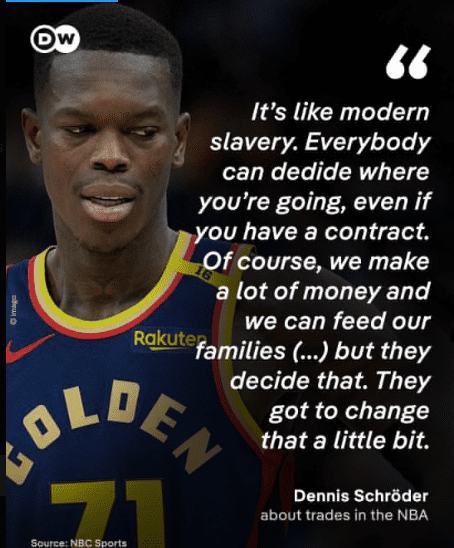
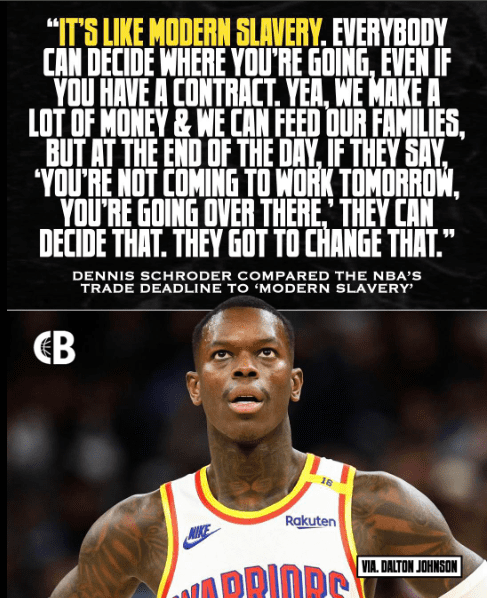
“It’s like modern slavery. It’s modern slavery at the end of the day,” Schröder stated bluntly during an appearance on the Battleground Pod. “Everybody can decide where you’re going, even if you have a contract.
The Context of Control vs. Compensation
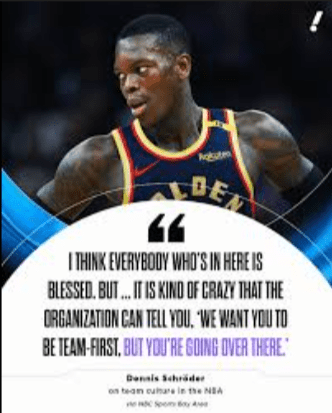
Schröder’s remarks centered on the unilateral power teams hold to trade a player under contract, uprooting their life and family with little to no warning. While he explicitly acknowledged the immense privilege of an NBA salary
The interview took place just days before the 2025 trade deadline, a period of peak anxiety for players outside of a team’s core. Schröder, then 31, had been traded twice in the previous 18 months

The Backlash: A “Tone Deaf” and “Inappropriate” Comparison
The reaction from media, fans, and some within the basketball community was swift and largely critical. Many condemned the analogy as deeply offensive, historically ignorant.
A Deeper Debate About Player Empowerment
Despite the controversial language, Schröder’s comments tapped into a long-standing conversation about player autonomy in professional sports. His frustration echoed sentiments shared, albeit more diplomatically.

The modern NBA has steadily moved toward greater player empowerment through free agency, player option years, and the ability to force trades by signaling discontent.
Since the interview, Schröder has not publicly reiterated the “modern slavery” analogy but has discussed the business-side of the NBA with more measured language.

The Lasting Impact of a Volatile Quote
Dennis Schröder’s “modern slavery” comments serve as one of the most volatile player critiques of the NBA’s transactional nature in recent memory. While the specific analogy was widely rejected as inappropriate.

Ultimately, the incident underscored the delicate balance between a player’s right to voice frustration with their working conditions and the responsibility.