In the week of a historic celebration the debut of LeBron James’ special 23rd-season jersey patch former NBA star Gilbert Arenas has delivered the definitive, mic-drop argument on James’ greatness. On his popular podcast, Gil’s Arena, Agent Zero systematically dismantled the entire foundation of modern LeBron criticism with a brutally logical and fact-based rant that has gone viral across the basketball world.
His core thesis was devastatingly simple: The very nature of the criticism against LeBron proves his unparalleled greatness.
“This is how good [LeBron] is,” Arenas began, leaning into the camera. “The fact that LeBron haters are pretending that he’s not the age he is, doing what he’s doing… They have to pretend that he’s in his 20s and he’s failing. Like, they can name another 40-41 year-old who is even capable of playing this way in history.”
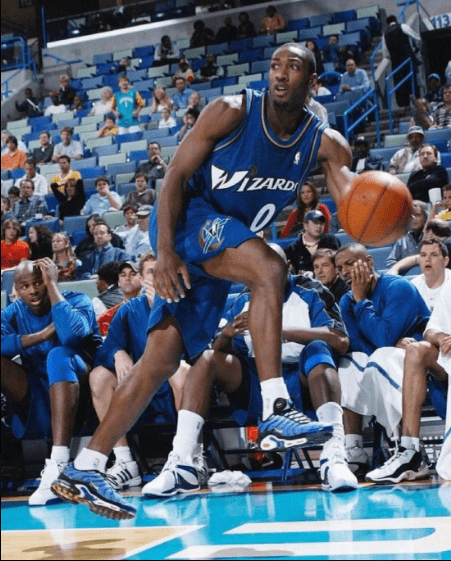
“They can’t. But if you say ‘Who is the best 39 year old ever?’ It’s gonna be one person. ‘Who is the best 40-41 year-old ever?’ It’s gonna be the same one person. What he’s doing has never been done.. So he has to be very good in your eyes if you gotta still pretend that he’s not this old.”
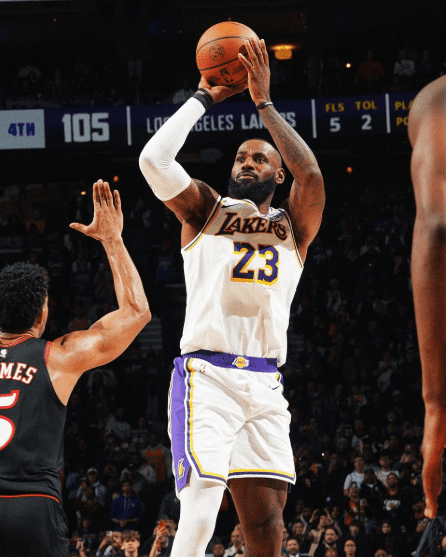
This argument cuts to the heart of the most common critiques. LeBron’s detractors often hold him to the superhuman standard of his own peak the Miami Heat destroyer, the 2016 Cavaliers savior. They criticize a missed defensive rotation or a late-game decision as if they are judging a 28-year-old in his absolute prime.
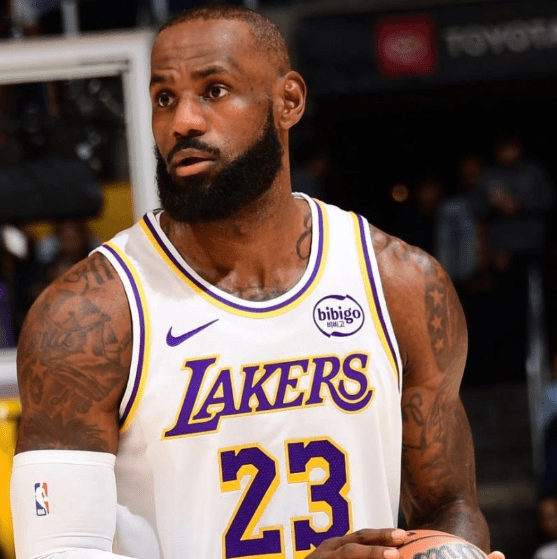
“You can’t compare him at his age to anyone in history,” Arenas continued, hammering the point home. “Your defense is he’s only breaking records because of longevity… LeBron has been the youngest to every milestone so the ‘longevity is wrong’ narrative.”

Here, Arenas obliterates the other major pillar of criticism: that LeBron’s all-time scoring record and statistical milestones are merely a function of playing a long time. As he rightly states, this is a mathematical and historical fallacy. LeBron didn’t just stick around; he arrived as a fully-formed star and never left the summit. He was the youngest player to reach 10,000, 20,000, 30,000, and 40,000 points.
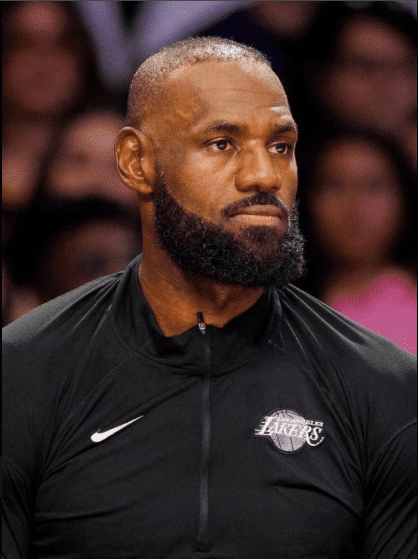
The “longevity” argument only works if a player accumulates stats in their twilight years after a career of modest output. LeBron accumulated them by being historically great from Day 1 and maintaining a shocking percentage of that greatness two decades later. Longevity is the reward for his sustained excellence, not the cause of it.
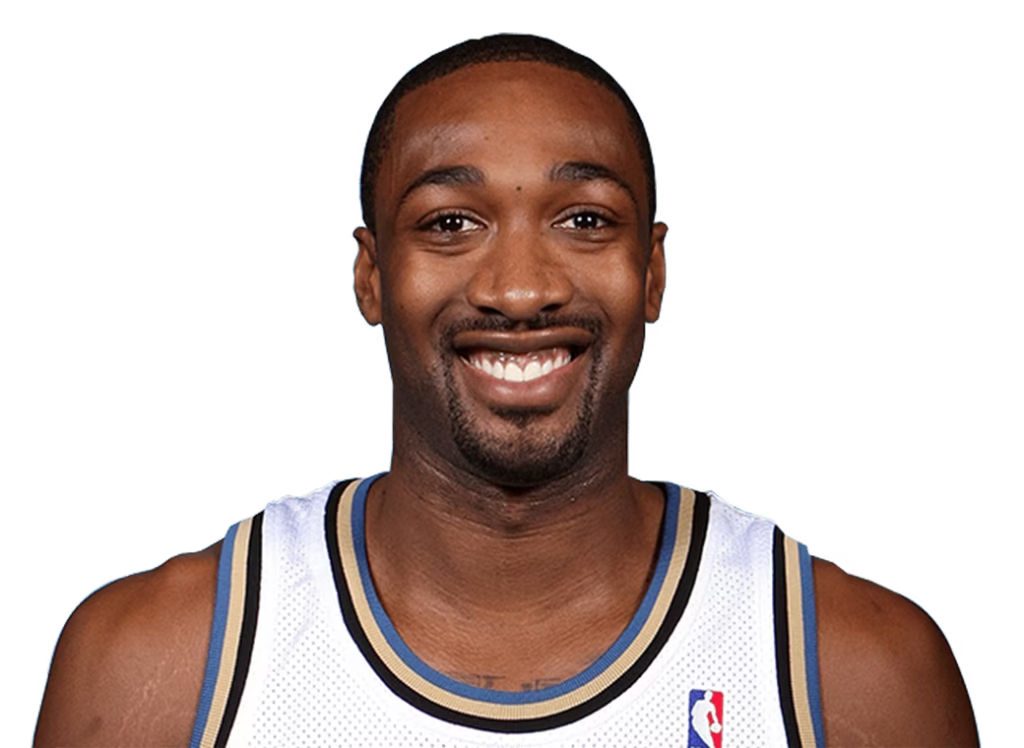
This viral rant from Arenas provides the perfect, fiery narrative backdrop for the serene honor of the Lakers’ jersey patch. The patch with its chalk-toss silhouette and three-colored bands for Cleveland, Miami, and Los Angeles is a visual representation of the very journey Arenas is defending. It’s not just a celebration of 23 seasons; it’s a monument to 23 seasons of elite performance.
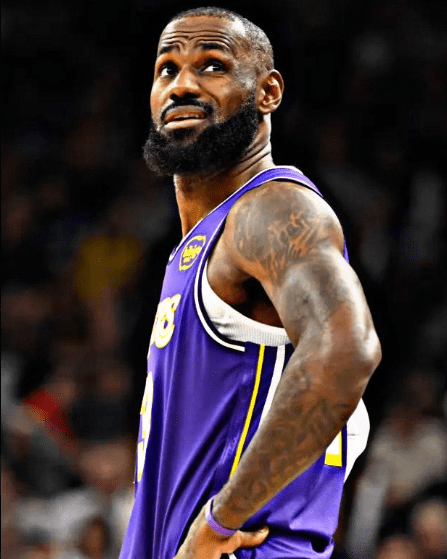
The criticism Arenas tackles often ignores the colors on that patch. It glosses over the context of carrying a moribund Cavaliers franchise to the Finals in 2007, of evolving his game in Miami to become a defensive force and champion, of delivering the most improbable comeback in sports history to Cleveland in 2016, and of anchoring a Lakers championship in the bubble of 2020.

Each color represents a different mountain climbed, a different version of LeBron crafted to meet the moment. To judge the 40-year-old Lakers version without this full-color context is to willfully ignore the story.
What makes Arenas’ take so potent is that it comes from a former rival, a fellow alpha scorer who competed against LeBron in his athletic prime. This isn’t fanboyism; it’s a forensic analysis from inside the game. He’s speaking the language of the gym, the practice facility, and the grind. He knows what it takes to be an All-Star at 25. He can barely fathom what it takes to be an All-NBA player at 39.
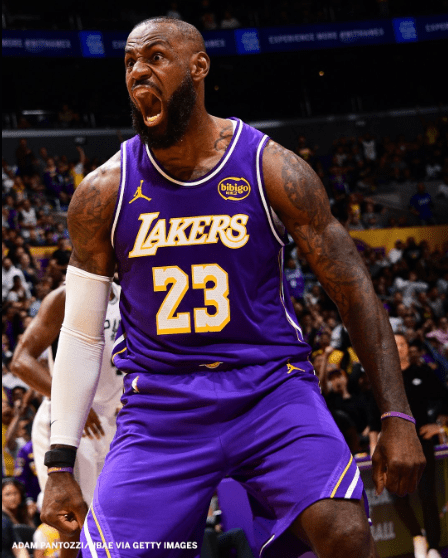
The timing, coinciding with the patch debut in Sacramento, creates a powerful duality. In one corner, you have the respectful, institutional honor from the league and the Lakers a gold-stitched “thank you” for a career of service and spectacle.

In the other, you have Arenas’ street-level, unfiltered defense a verbal cannon blast against the last vestiges of disrespect. Together, they form the complete picture: the legend honored by the establishment, and the legend defended from the trenches by those who truly understand the scale of the achievement.
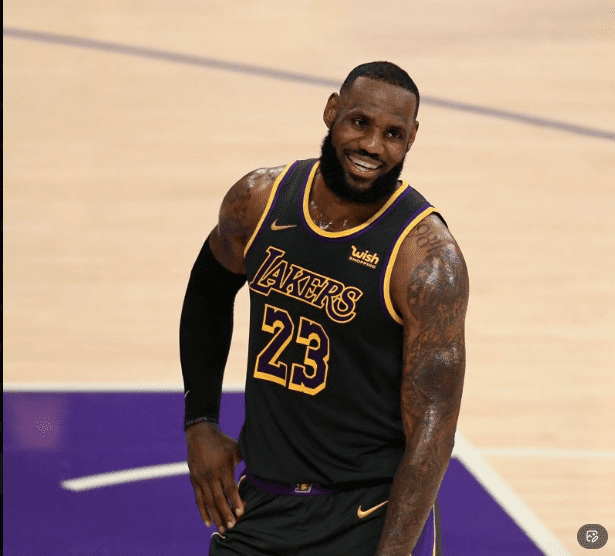
The bottom line, as Arenas so forcefully laid out, is that there is no historical playbook for what LeBron James is doing. Every other all-time great, by this age, was a diminished role player, a mentor, or retired. LeBron remains a central engine, averaging 25 points, 7 rebounds, and 8 assists on elite efficiency.

The haters, as Arenas “cooked,” are trapped in a logical paradox. To criticize him, they must first pretend he isn’t accomplishing the impossible. And in doing so, they inadvertently crown him as the one and only king of basketball time itself. The jersey patch is just the official embroidery on a truth Gilbert Arenas just shouted for the world to hear.