The eternal “Greatest of All Time” debate in basketball, which often simmers just below the surface, has erupted into a full-blown firestorm once again. The catalyst this time is not a hot take from a TV analyst or a social media troll, but a Hall of Fame legend making an unequivocal, uncompromising stand.
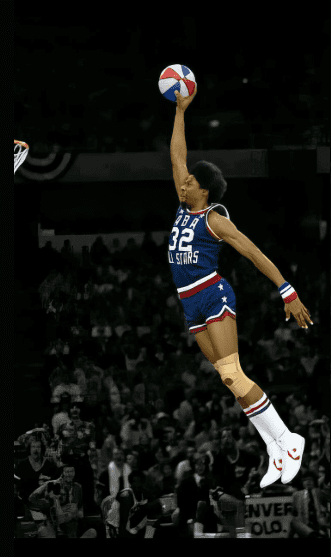
Basketball icon Julius “Dr. J” Erving took to social media platform X this week with a pair of posts that landed like thunderclaps across the NBA landscape. They were a direct, pointed defense of Michael Jordan’s legacy in the face of the modern statistical era and the career of LeBron James.
The timing of these comments is particularly striking, coming just days after former NBA guard Gilbert Arenas passionately defended LeBron James on his podcast, arguing that LeBron’s unprecedented longevity and sustained excellence at age 39 make him a unique phenomenon beyond criticism.
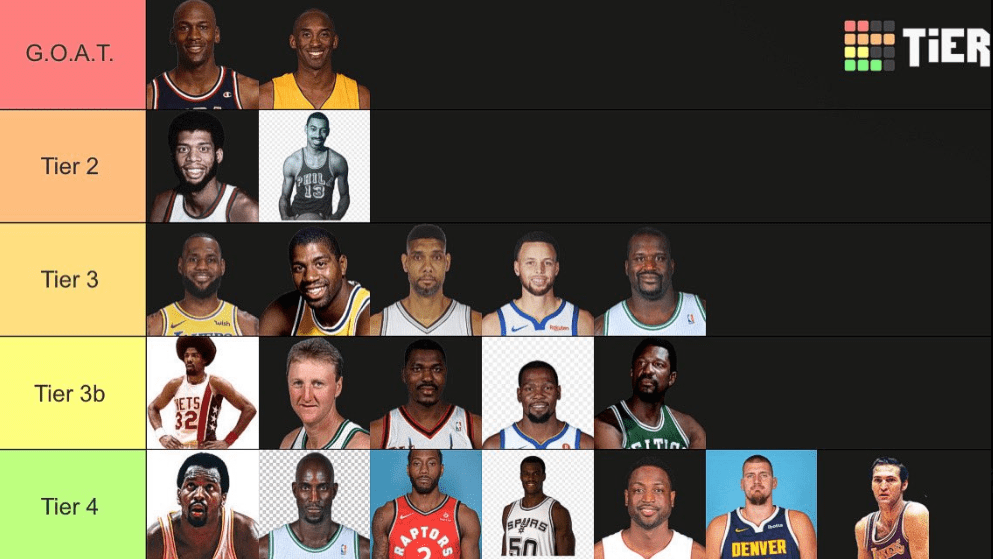
Dr. J’s posts, whether a direct response or a coincidental eruption, represent the philosophical counter-punch from the old guard.
The Core of the Argument: The Unforgiving Standard of the 90s
Erving’s choice of words “super team hopping stat padders” is a clear encapsulation of the traditionalist critique against LeBron James and, by extension, the modern player-empowerment era. From this perspective, Jordan’s unblemished 6-0 record in the NBA Finals with the Chicago Bulls is the ultimate testament to greatness.
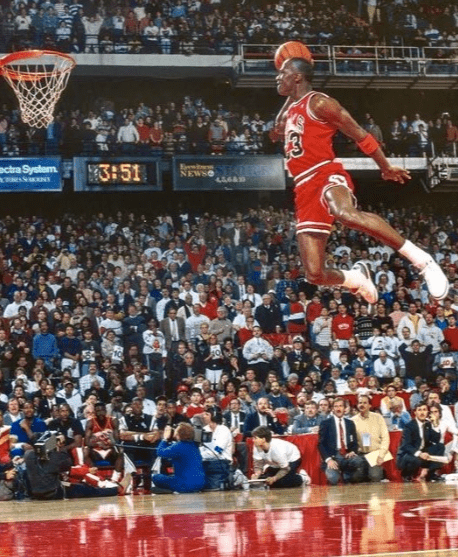
He didn’t seek out other superstars to join him; he defeated them, often ruthlessly, and molded his teammates into champions. The “stat padding” jab strikes at the heart of the “longevity” argument celebrated by Arenas, reframing historic accumulation as a secondary pursuit to the singular goal of winning titles under one banner.
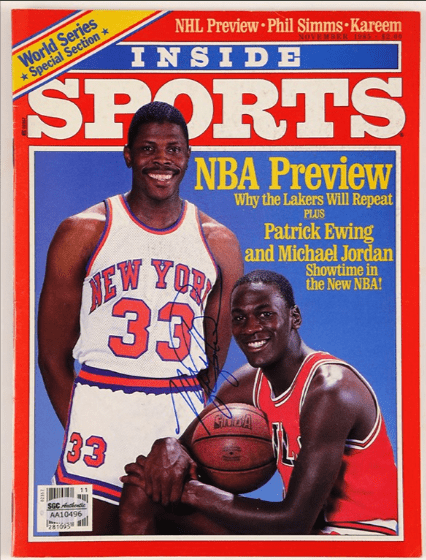
For Dr. J and many who played in or grew up watching the 80s and 90s, Jordan’s era represented a gauntlet of physical, brutal basketball defined by rivalries, not alliances. The “Bad Boy” Detroit Pistons, the “Showtime” Lakers, the Patrick Ewing Knicks, the Charles Barkley Suns, the Karl Malone/John Stockton Jazz Jordan faced them all, overcame them all, and never lost at the summit.
The Modern Retort: A Different Kind of Greatness
The defense of LeBron James, as articulated by voices like Arenas, rests on a different set of criteria. It values sustained peak performance over two decades, a claim no other player can make.
It highlights his ability to adapt his game and physically carry three different franchises (Cavaliers, Heat, Lakers) to championships, a demonstration of versatile leadership. It points to his all-time statistical leads not as “padding,” but as the natural result of being a top-five player for 20 consecutive years.
Furthermore, LeBron’s advocates argue that the “super team” critique ignores context. They contend that he joined Dwyane Wade and Chris Bosh in Miami only after failing to overcome a superior Boston Celtics team with an inferior Cavaliers roster.
They see his return to Cleveland to deliver a title and his move to Los Angeles to build a champion as calculated, career-long masterstrokes of legacy building in a new, player-driven NBA. The argument isn’t that one path is harder, but that LeBron’s path required a different, more complex kind of greatness to navigate.
Dr. J’s Place in the Debate: A Bridge Between Eras
Julius Erving is not a casual observer in this debate; he is a foundational pillar of the sport whose opinion carries immense weight.
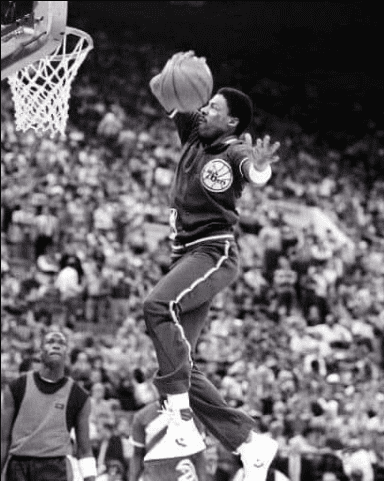
As the transcendent star who brought flair and flight from the ABA to the NBA, he is a direct link between the league’s formative years and its global explosion in the Jordan era. He competed against legends like Kareem Abdul-Jabbar and Larry Bird and witnessed Jordan’s rise firsthand.
His staunch defense of Jordan, therefore, is more than fan sentiment. It is a valuation from a peer who understands the landscape of both eras. When he says the gap is “not even close,” he is applying the competitive lens of his time where Finals records and the perception of an unconquerable peak were the ultimate metrics.
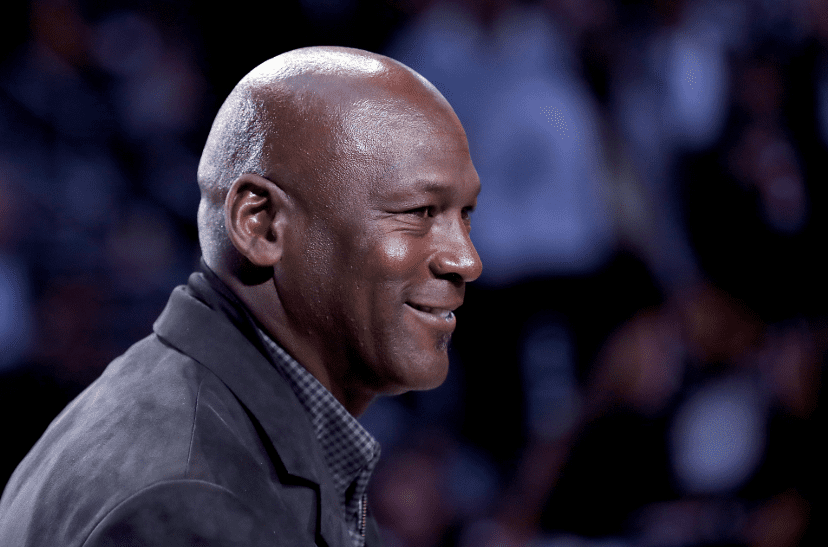
His voice gives powerful ammunition to the segment of fans and analysts for whom the six rings, the scoring titles, the Defensive Player of the Year award, and the undefeated Finals record are the immutable, unassailable data points.
A Clash of Philosophies, Not Just Players
At its heart, the Erving vs. Arenas (and, by proxy, Jordan vs. LeBron) debate is a clash of how we define sports greatness itself.
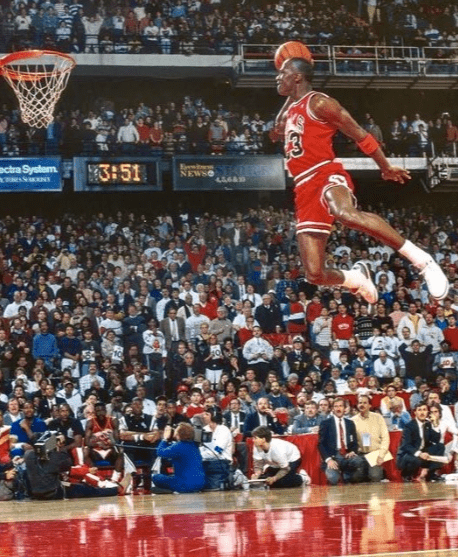
- The Jordan Standard (Championed by Erving): Greatness is defined by peak dominance, championship perfection, and mythic competitive aura. It’s qualitative, narrative-driven, and rooted in the idea that the best player imposes his will on the league until there are no more challengers to conquer.
- The LeBron Standard (Championed by Arenas): Greatness is defined by historic longevity, sustained elite production, and transformative success across multiple environments. It’s quantitative, adaptability-focused, and rooted in the idea that the best player can dominate the sport’s calendar like no one before.
Dr. J’s intervention ensures this debate will rage on with renewed fervor. It’s a reminder that for a generation, Michael Jordan wasn’t just the best player; he was the definition of what a best player should be a flawless winner.
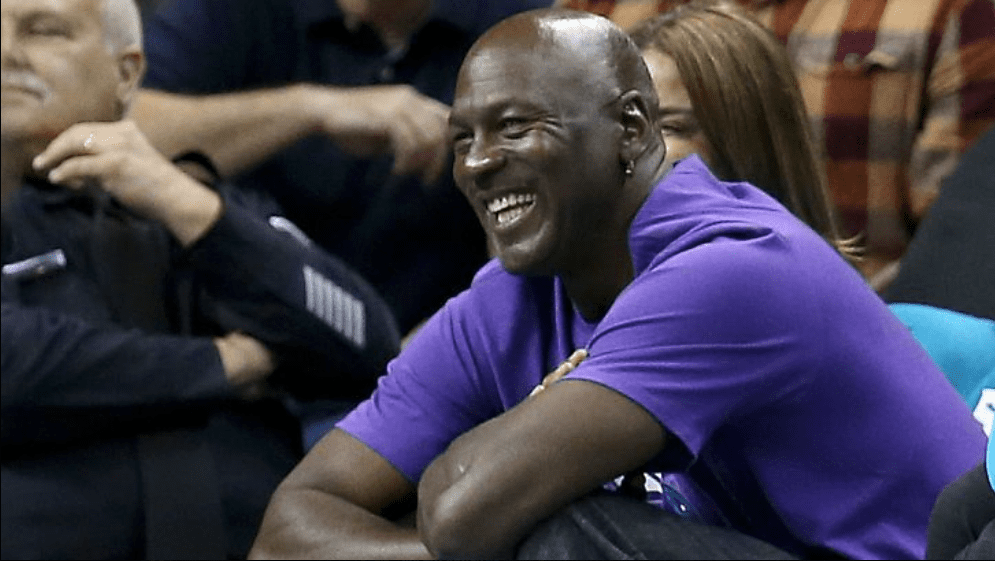
For the next generation, LeBron James has rewritten that definition to encompass the entire arc of a career. In the end, Erving’s posts aren’t just about defending a former colleague; they’re about defending an entire philosophy of basketball excellence. The GOAT war continues, and the generals are now Hall of Famers.