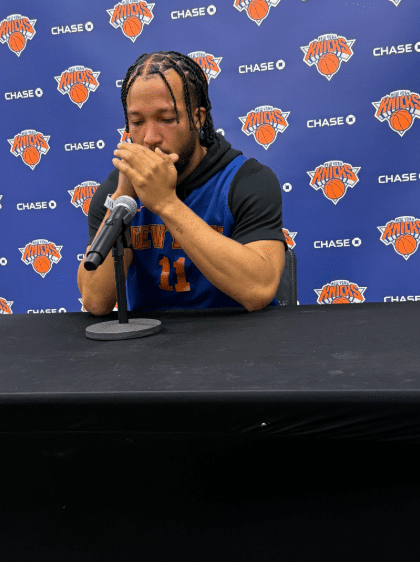
New York’s New Contract: The Honest Accountability of Jalen Brunson and Mike Brown
In the high-stakes world of professional sports, the relationship between a team and its fans is often framed as a sacred bond. Players and coaches typically respond to boos with defiance or promises of improvement.
However, two of the NBA’s most prominent figures New York Knicks star Jalen Brunson and Sacramento Kings coach Mike Brown have recently rewritten that script with a shocking dose of blunt honesty, acknowledging that fan frustration is not just valid, but completely deserved.
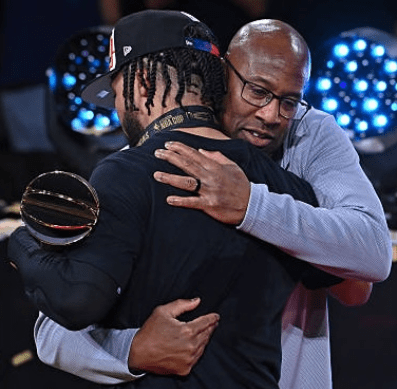
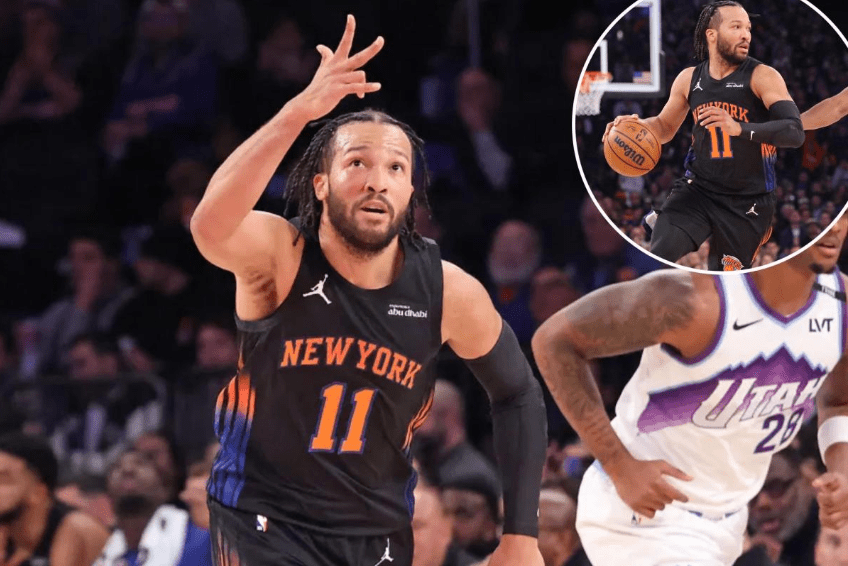
Brunson’s Brutal Honesty in the Big Apple
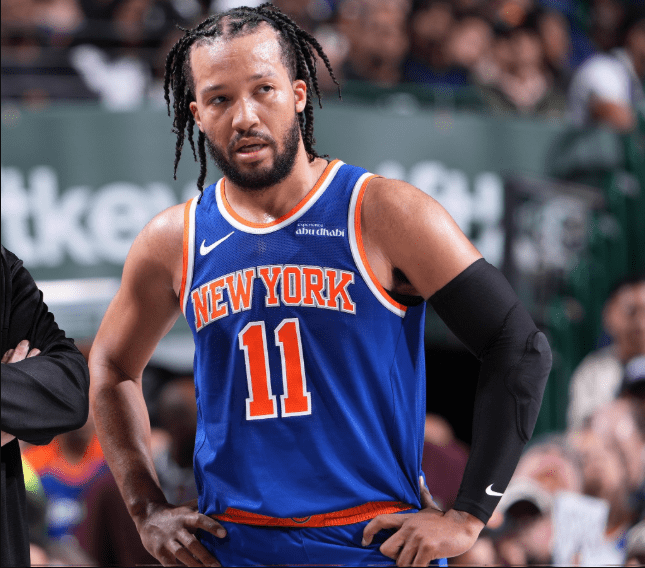
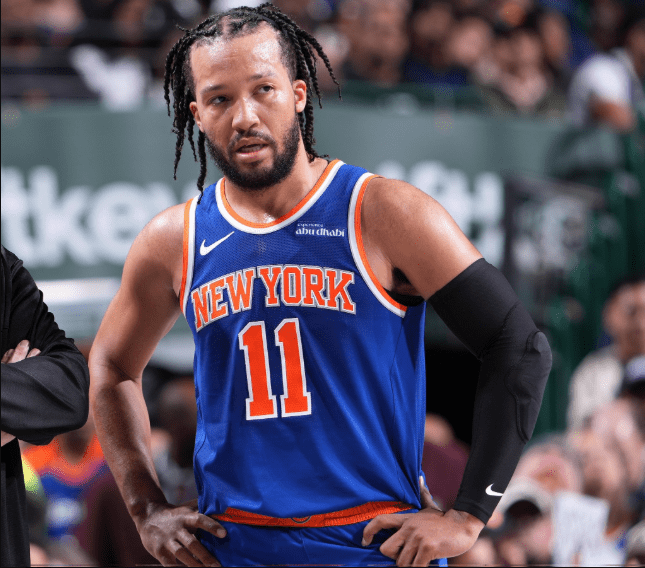
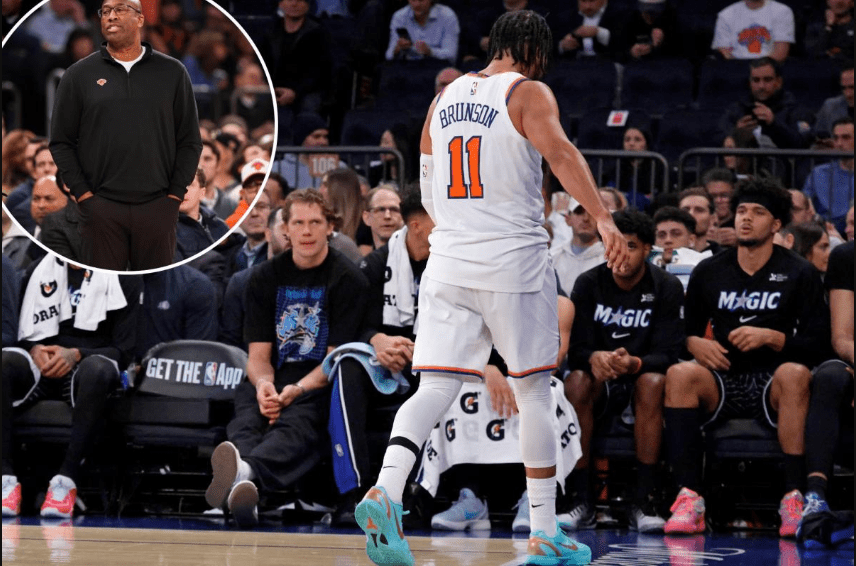
Following a disappointing home loss where the Knicks’ performance fell far below the standard of a championship contending team, franchise leader Jalen Brunson faced the media. Instead of offering empty platitudes or defending his team’s effort,
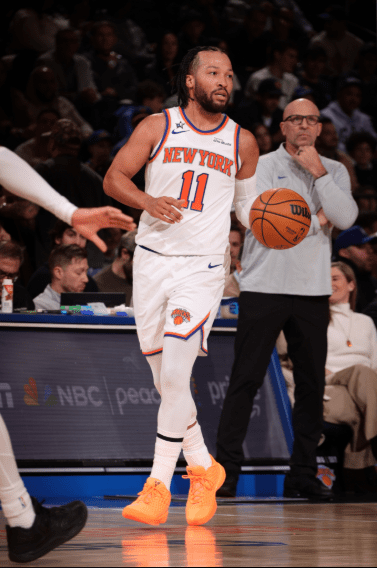
he delivered a verdict that echoed through Madison Square Garden. “I would boo us too. Straight up,” Brunson said, holding himself and his teammates accountable in the most direct terms possible.
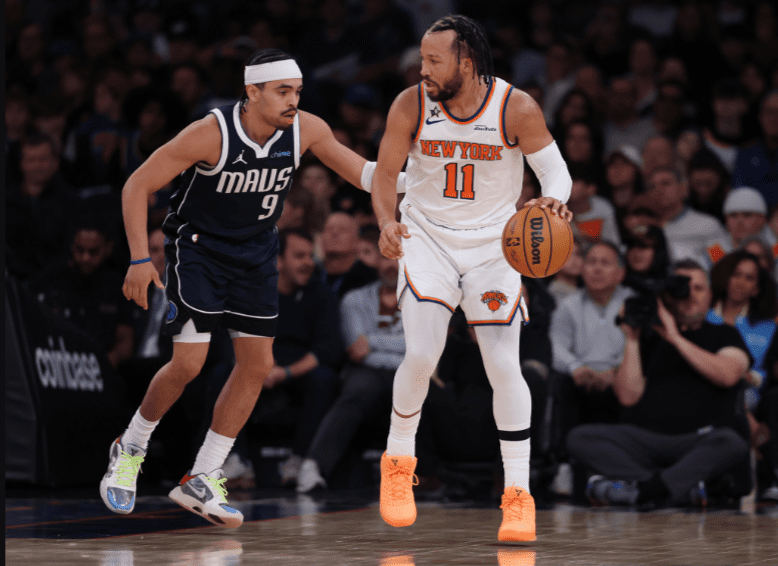
This statement is revolutionary in the context of New York sports. For decades, the narrative has been one of thin-skinned players bristling at the city’s tough love.
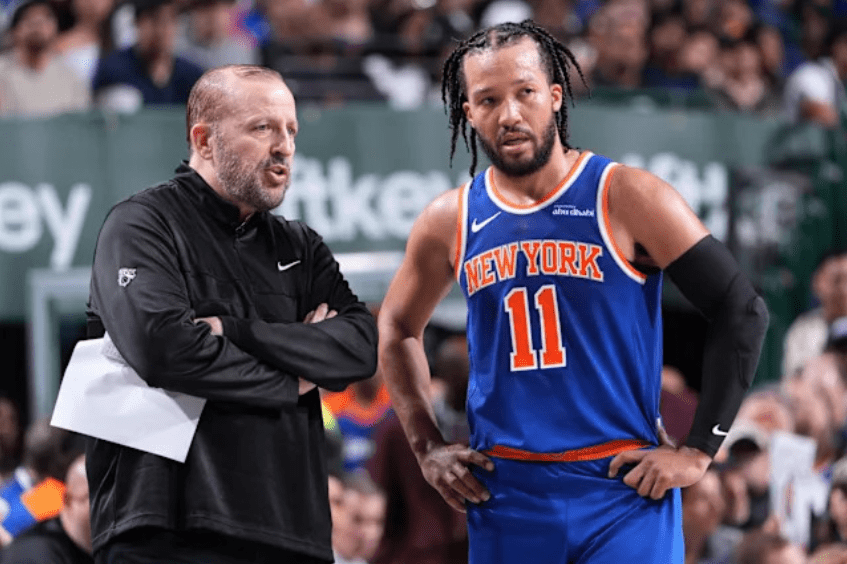
Brunson’s admission signals a mature leader who shares the fans’ high standards and refuses to make excuses for falling short of them.
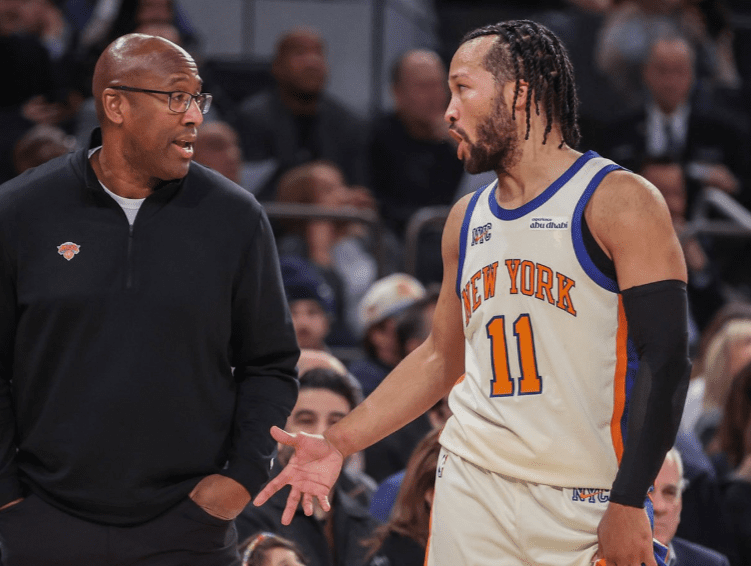
Mike Brown’s Philosophy of Fan Expectation
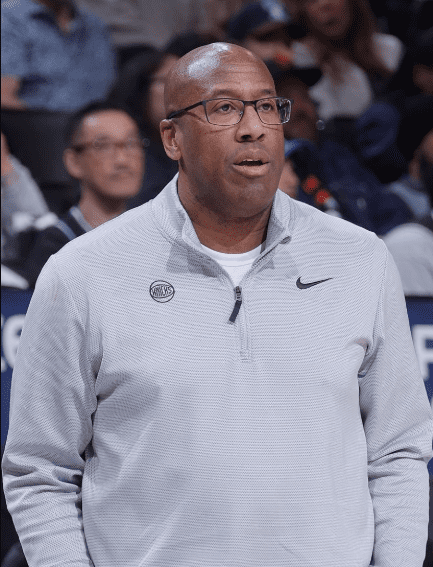
Across the country, Sacramento Kings head coach Mike Brown articulated a nearly identical philosophy, grounding it in the fundamental economics of fandom.
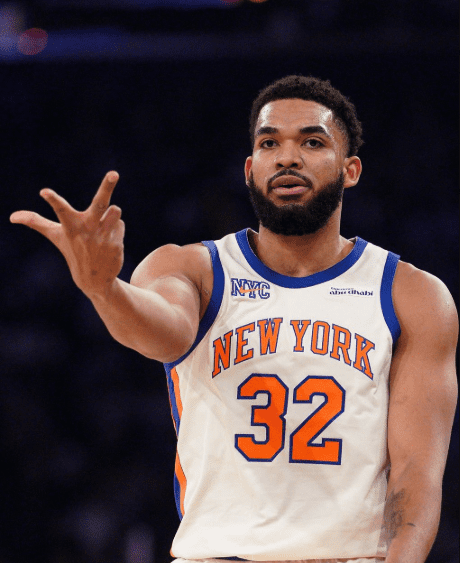
“I’m OK with the boos,” Brown stated. “If we’re playing crappy, boo. If I was in the stands, I’d probably boo, too. You pay hard money to come to the game and this is a form of entertainment for the fans. They know good basketball, they know bad basketball.”
Brown’s comments cut to the core of the transaction. Attending an NBA game is a significant financial commitment for most families.
The ticket, parking, and concessions represent “hard money,” earned through labor and spent on the expectation of a quality product entertaining, competitive basketball. Brown validates the fans’ right to voice displeasure when that product is subpar.
He credits them with the basketball IQ to discern between good and bad effort, rejecting the notion that booing fans are simply irrational or overly negative. For Brown, accountability runs in both directions: from the team to the fans, and from the fans back to the team.
A New Era of Accountability in the NBA
The aligned perspectives of Brunson and Brown represent a potential cultural shift in professional basketball. This is not a sign of defeatism or low morale; it is the opposite. It is a demand for excellence, voiced first internally by the leaders themselves.
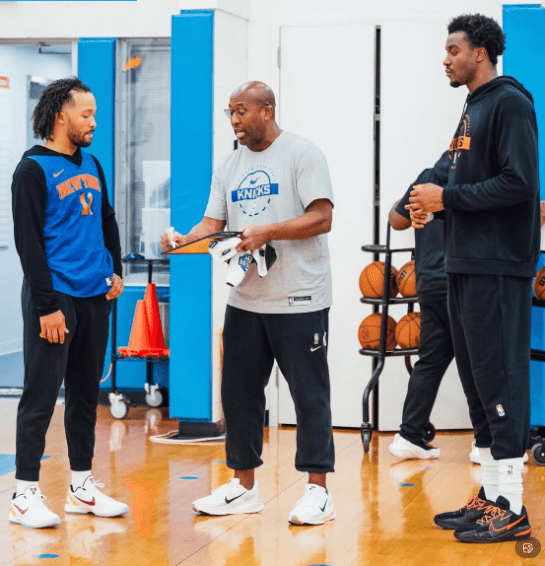
The message is clear: we are not performing to our shared standard, and that is on us to fix. The boos are not an attack to be defended against; they are a mirror held up to the team’s play, and Brunson and Brown are courageous enough to look directly into it and agree with the reflection.
In an era often criticized for player empowerment veering into excuse-making, the candor of Jalen Brunson and Mike Brown is refreshing. They have redefined boos not as a sign of a hostile crowd, but as the sound of a shared, unmet standard.
For the Knicks and Kings, the path forward isn’t about silencing the criticism it’s about playing a brand of basketball that renders it impossible. The fans, as both Brunson and Brown would agree, deserve nothing less.