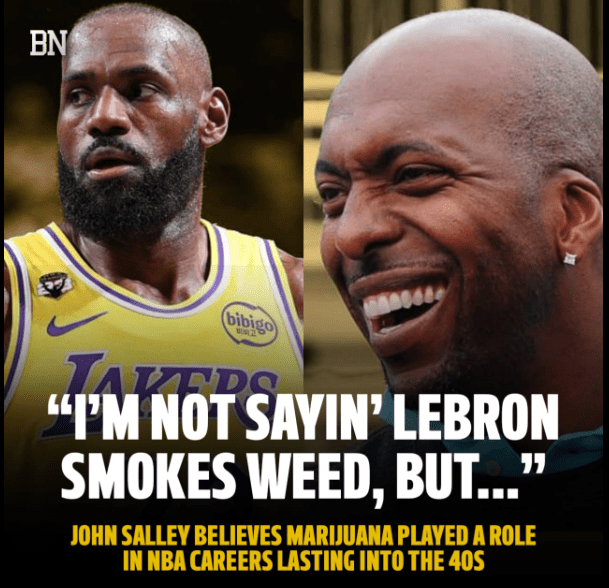
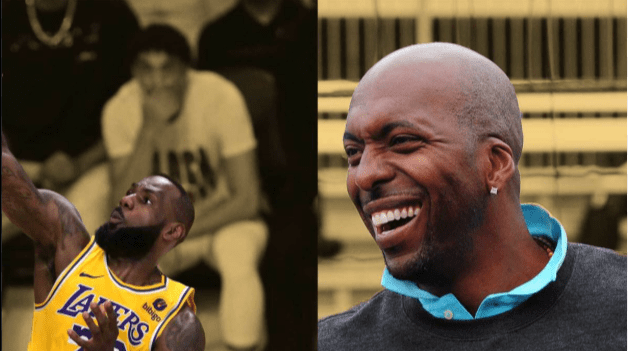
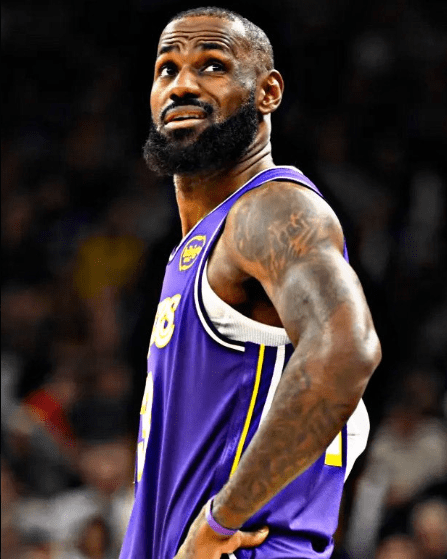
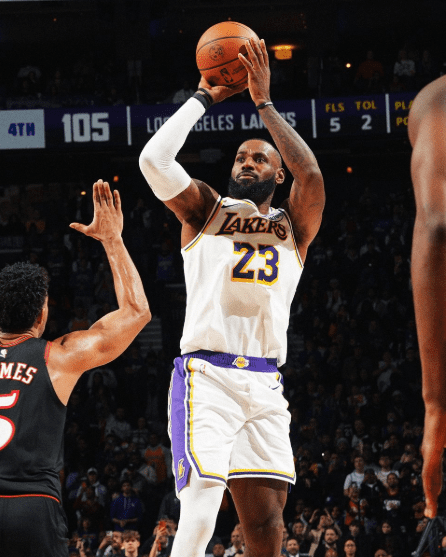
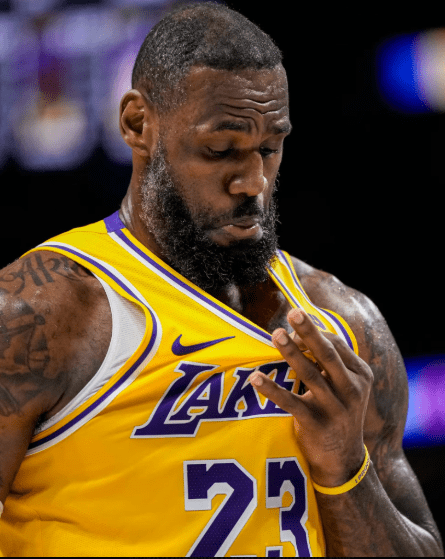
I’m not sayin’ LeBron james smokes weed, but” John Salley believes marijuana played a role in NBA careers lasting into the 40s
February 7, 2026
The “Secret” to NBA Longevity: John Salley, Cannabis, and an Enduring League Wide Conversation
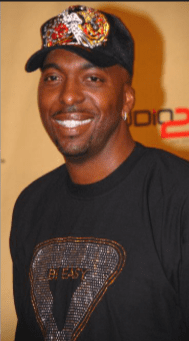
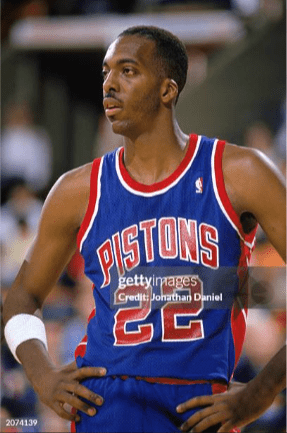
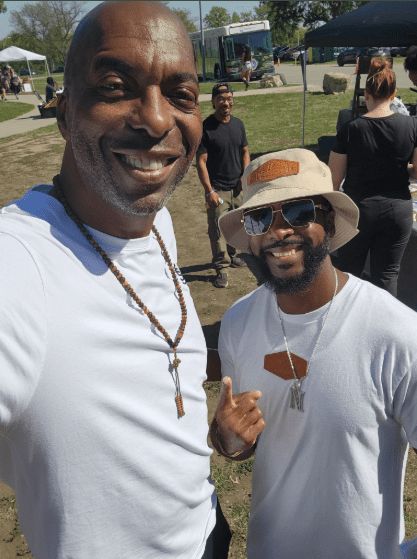
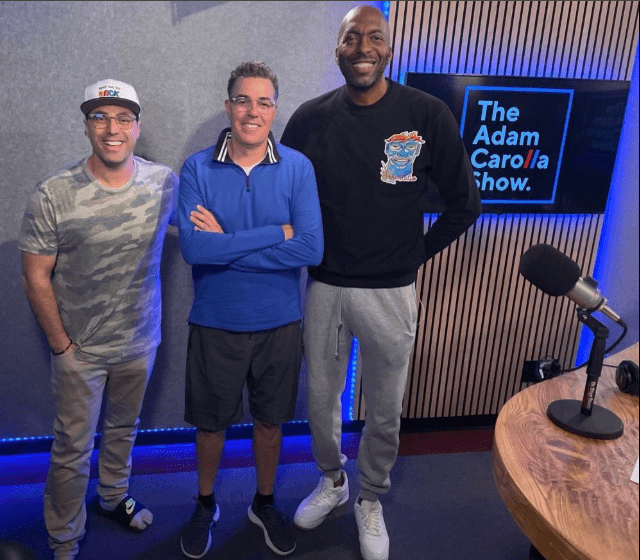
“All of a sudden, I’m doing yoga poses. My back is not hurting, my leg is not hurting,” recounted John Salley of his first, life-altering encounter with cannabis. “If I would’ve smoked while I was playing, I probably still would be playing.”
In 2016, Salley publicly stated he believed using marijuana during his career could have extended it. A decade later, his comments have evolved from speculation to a central part of a transformed conversation.
The Personal Revelation That Sparked Advocacy
John Salley’s relationship with cannabis was a classic case of “better late than never.” He spent nearly his entire 11-year career without it. It wasn’t until his final month with the 1999-2000 Los Angeles Lakers, at age 36, that he first tried it .
This personal discovery became the foundation of his post-retirement advocacy. “I believe in the advocacy of medical marijuana,” Salley said in 2016. “It helps athletes.”
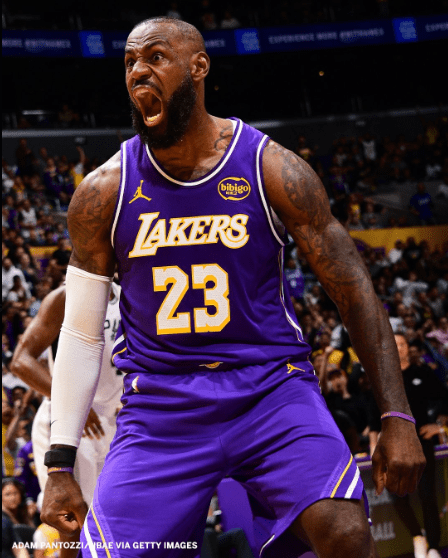
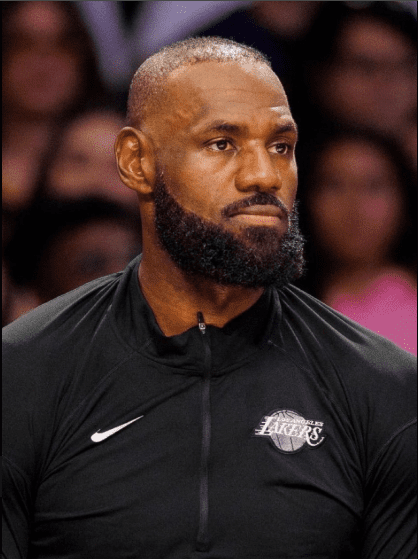
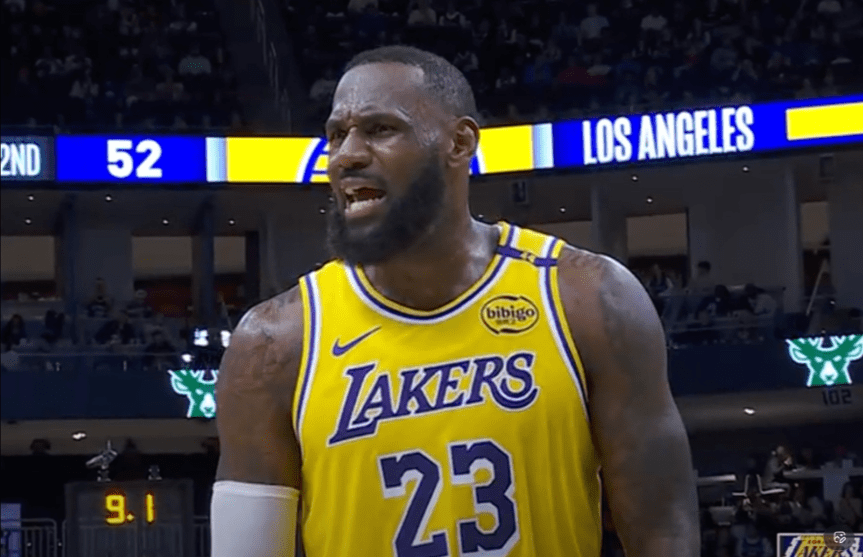
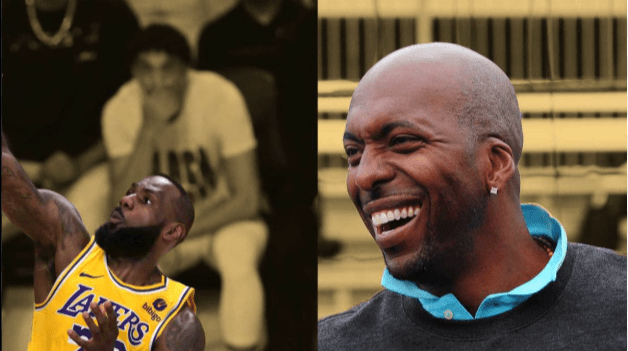
His advocacy is tinged with personal regret. Watching contemporary stars maintain elite performance, Salley draws a direct line. “I would have LeBron’d this situation,” he said recently, while clarifying,
A Historical Context: Cannabis in the Shadows
Salley’s claims about past legends aren’t unfounded. The relationship between NBA players and marijuana has a long, if once-clandestine, history.
Kareem Abdul-Jabbar: The league’s former all-time scoring leader was open about his use. He first tried marijuana at 17 after researching its effects and used it throughout his career to manage debilitating migraine-induced nausea
Robert Parish: “The Chief,” who retired at 43 after a record 1,611 games played, is cited by Salley as another example of a player from the “old school era” who used cannabis .
The Underground Era: For decades, players like Matt Barnes used cannabis regularly despite its prohibited status, finding ways to “beat the system” to manage the physical and mental toll of an 82-game season .
The NBA’s Official Pivot: From Prohibition to Acceptance
The Old Policy: For most of NBA history, marijuana was a banned substance. Testing positive could result in fines, mandatory treatment programs, and suspensions. This created a culture where use was an “open secret,” done discreetly and with risk .
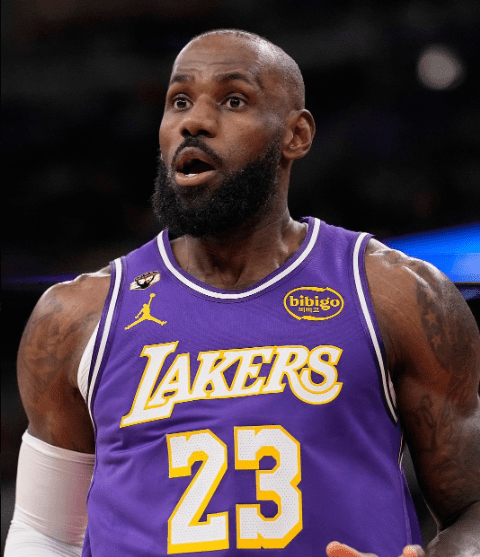
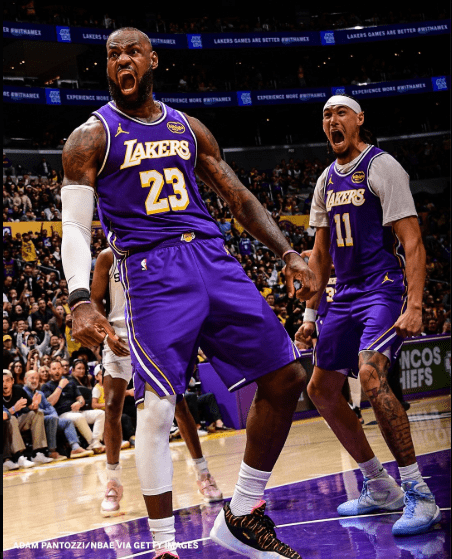
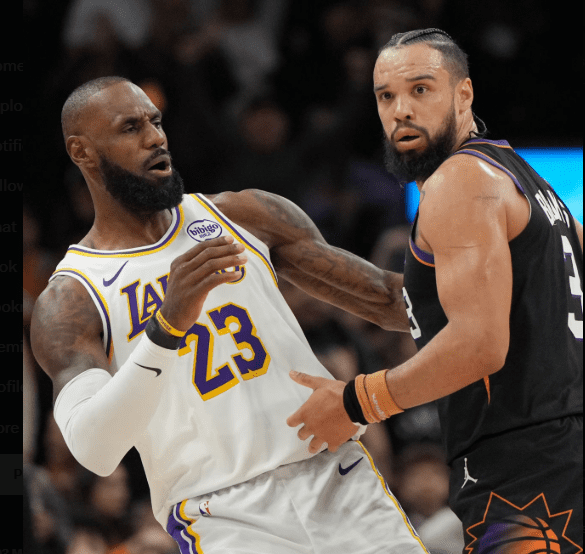
This normalization was vividly illustrated in January 2024 when LeBron James, during a game, pantomimed rolling and smoking a joint, then “passed” it to teammates Anthony Davis and Christian Wood.
Why Players Turn to Cannabis: Recovery and Relief
For today’s players, cannabis is increasingly viewed as a tool for sports medicine. The primary reasons cited are:
Pain Management and Recovery: To reduce inflammation and soreness from the extreme physical load.
Mental Wellness: To alleviate anxiety and manage the stress of high-performance environments.
Sleep Aid: Critical, quality sleep is essential for physical recovery, and many players report cannabis helps achieve it.
Stars like Kevin Durant have publicly emphasized these benefits, framing it as a safer alternative to prescription painkillers like opioids .
The Future of Cannabis in Professional Sports
John Salley’s journey from a late-career discovery to a vocal advocate mirrors the NBA’s own path. His claim that cannabis could have extended his career frames it not as a recreational drug.
The league’s current posture allows players the autonomy to make their own choices about its use, marking a profound shift from the punitive past. In this new era, the “secret” Salley points to is out in the open.
Want to learn more about the NBA’s changing policies on wellness or the careers of the players mentioned? I can provide more detailed information on any of these topics.