“Leaked Details Reveal the Stunning Truth Behind Chris Paul’s Sudden Clippers Exit: Late Night Drama, Ty Lue Refusal, Locker Room Tension, and the Airport Meltdown That Destroyed Everything”
The Shocking Overnight Collapse Between Chris Paul and the Clippers
Few stories in recent NBA memory have captured the same intensity, shock and emotional turbulence as the sudden, spiraling breakup between Chris Paul and the Los Angeles Clippers in what he hoped would be his final season in the NBA. It wasn’t just a separation it was a messy, public unravelling, complete with leaked reports, denied meetings, frayed relationships, organizational distrust and a surreal midnight discovery that turned the entire roster upside down. Sources close to the situation revealed that the end did not come suddenly but instead brewed silently for weeks, culminating in a series of dramatic events that perfectly illustrated the fractured nature of the Clippers’ locker room and leadership. What looked like a hopeful reunion Paul’s emotional return to finish his career where Lob City was born ended in a storm of tension, ignored requests for clarity, and ultimately a blunt, cross country exit delivered in person because phone calls weren’t enough.
Chris Paul, one of the most respected veterans in league history, entered his reunion season with the Clippers filled with optimism. He believed he could help stabilize a franchise that had weathered injuries, underperformance and constant reshuffling. He thought he could mentor the younger guards, bring discipline to a star heavy locker room and restore some of the leadership that the franchise lacked in previous collapses. Instead, the season became a slow burning disaster, with anonymous accusations of Paul being a “negative presence,” whispers of friction between him and key decision-makers, and a widening communication gap that no one with authority tried to fix. When Paul requested a meeting with head coach Tyronn Lue to confront the rumors and clear the air, his request was denied a rejection that many around the league saw as the point of no return.
Paul wanted an explanation. He wanted transparency. He wanted to understand why teammates, staff members or executives felt he was dragging the team down. Most importantly, he wanted to fix it because this was supposed to be his last ride. But instead of open dialogue, he received silence. And that silence led directly to the final confrontation: Lawrence Frank, the Clippers’ president of basketball operations, traveling to Atlanta to personally inform Paul that the organization had decided to move on from him. It wasn’t just a business like dismissal. It was an uncomfortable, emotional moment for a player who believed he earned the respect to at least receive a conversation with his head coach.
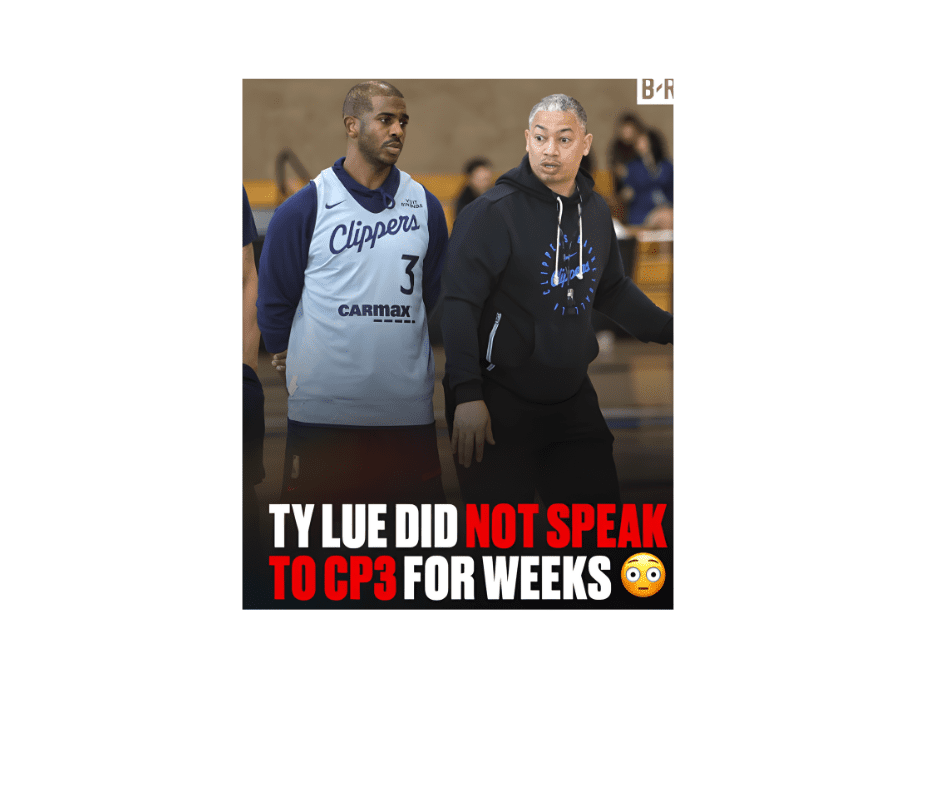
A Tense Final Month: How Rumors, Friction, and Silence Built Toward Disaster
What makes this breakup particularly fascinating is how quietly the tension escalated before exploding. According to team insiders, the Clippers’ locker room had become fragile long before the official separation. Veterans privately expressed frustration with the inconsistency of roles, the heavy losses piling up and the perceived disconnect between coaching direction and on court execution. Some younger players reportedly felt like Paul’s leadership style demanding, vocal and intensely detail oriented was overwhelming, especially during a season where emotions were already running high.
The Clippers’ struggles on the court only magnified the internal issues. Every close loss sparked new rumors, every slump intensified finger pointing and the lack of accountability became a theme both inside and outside the locker room. Paul, who built his reputation on structure and accountability during the Lob City era, grew frustrated watching teammates repeat mistakes without correction. The coaching staff, however, began to interpret his leadership as pushback or criticism of their strategies. Instead of communication, assumptions began replacing conversations.
This deteriorating dynamic led to one of the most shocking parts of the story: Paul requesting a face to face meeting with Ty Lue to address accusations and concerns but being denied the conversation. For a future Hall of Famer, this was not just a professional slight it was deeply personal. Multiple sources indicated that Paul believed the accusations of him being a “negative presence” were unfair and wanted a chance to directly explain himself. He wanted clarity from the man coaching the team he was trying to help salvage. When Lue refused to meet, it cemented the divide.
The organization, already scrambling to find direction after consecutive losses, began weighing its options. The Clippers’ leadership faced a choice: back their head coach or side with a respected veteran whose tenure had lasted only months. They chose the former. And once that decision was made, Paul’s fate was sealed. What followed was an unexpected, chaotic chain of events that magnified the emotional impact of the decision for everyone involved.
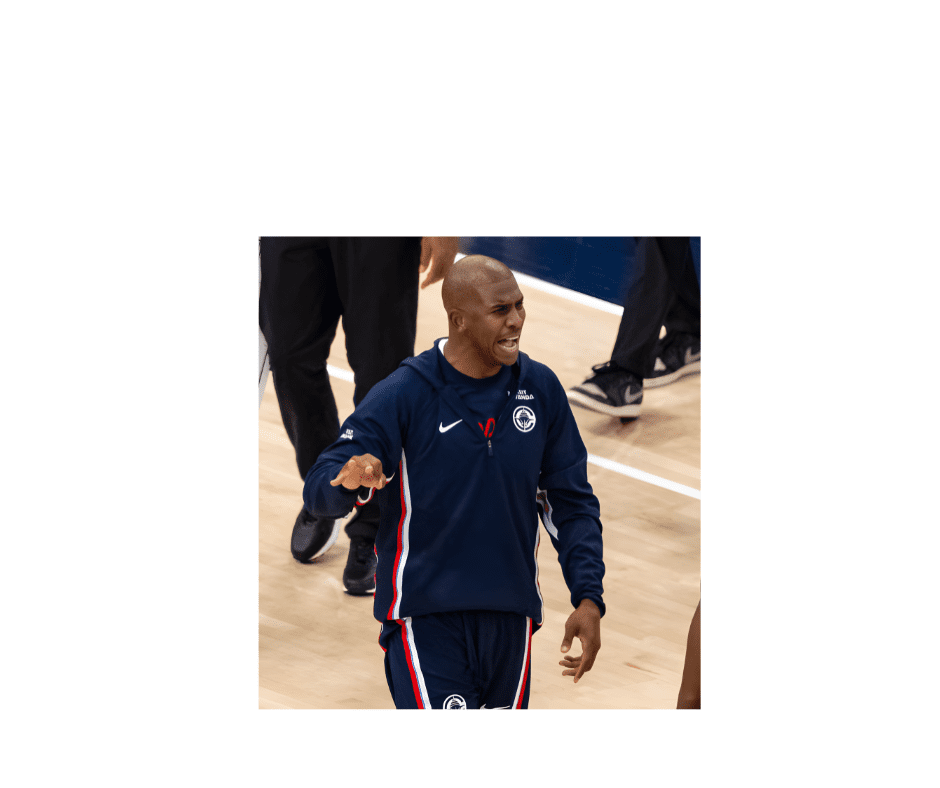
The Night Everything Fell Apart: The Airport Meltdown and Midnight Announcement
The ugliest part of the story unfolded not in a boardroom, not in a training facility, but in an airport one of the most bizarre team wide collapses in recent Clippers history. After suffering yet another demoralizing loss, the Clippers attempted to leave Miami for Atlanta but found themselves stranded at the airport due to severe mechanical issues with their plane. What was supposed to be a routine travel night turned into a six hour ordeal that left the team exhausted, frustrated and mentally drained. Players sprawled out on seats, trainers paced back and forth, and coaches tried to maintain calm while knowing morale was at its breaking point.
The long delay only heightened the underlying resentment and tension. Teammates sat quietly, some venting to agents, others replaying the loss on their phones, and many simply trying to sleep on terminals that were too cold, too loud and too uncomfortable for a professional sports team. By the time the team finally left Miami, spirits were already shattered.
But what happened upon landing in Atlanta made the situation historic.
After hours of grueling travel, players arrived at their hotel rooms in the middle of the night, only to receive the news that the team had parted ways with Chris Paul. For many, the information came through group chats, alerts from reporters on social media, or urgent late night texts from staff members trying to get ahead of the media storm. The timing was brutal. The optics were disastrous. And the emotional impact was immediate.
Some teammates were stunned; others were angry. A few felt blindsided, believing they should have been informed earlier. Many were shocked that such a major move happened at 2 A.M. after one of the most exhausting travel delays of the season. Even those who clashed with Paul reportedly felt sympathy for how the situation was handled. Night time breakups are difficult in any environment doing it after a six hour airport delay made it exponentially worse.
And for Chris Paul, who was in Atlanta waiting for clarity, the news arrived in the form of Lawrence Frank sitting across from him, delivering the final verdict the team had decided days earlier but waited to formalize. Paul’s reaction, according to sources, was a mixture of disappointment, frustration and disbelief. He believed he would finish his last NBA season with the Clippers. Instead, his final memory with the franchise became one of broken communication, shattered expectations and emotional exhaustion.
A Painful Echo of Lob City: Why Old Wounds Reopened During This Fallout
To understand the full weight of this breakup, one must revisit the origins of Lob City the era that defined the Clippers’ identity and elevated them from NBA punchline to Western Conference powerhouse. Chris Paul was the architect of that movement, the general who organized chaos, elevated Blake Griffin and DeAndre Jordan, and turned the Clippers into must watch television. Yet, the Lob City era ended abruptly and painfully, marked by arguments, injuries, internal divides and postseason heartbreaks. The breakup was not clean then, and it certainly wasn’t clean now.
Ironically, Paul’s return to the Clippers initially brought excitement because it symbolized growth, forgiveness and unfinished business. Fans believed that enough time had passed to heal old emotional wounds. Paul himself seemed optimistic, repeatedly stating that he wanted to give everything he had left to the franchise that gave him some of his greatest NBA years. But instead of nostalgia and redemption, the reunion exposed how much unresolved tension the Clippers still carried from the past.
During the Lob City era, one of the recurring criticisms of Paul was that he was too controlling, too demanding and too vocal. Some teammates thrived under his intensity; others struggled with it. When the accusations resurfaced this season claims that he was a “negative presence” they echoed those same criticisms, creating an uncomfortable déjà vu for Paul. He believed he had matured, evolved and learned to guide younger players differently. So when history repeated itself, it stung deeply.
Meanwhile, the Clippers organization, shaped by entirely new leadership except for a few holdovers, still carried the burden of past failures. The franchise has never been beyond the second round of the playoffs. They have cycled through stars, coaches and front office structures. The pressure to win now is immense, and in that pressure cooker environment, Paul’s presence became more complicated than expected. The organization’s desire for stability clashed directly with Paul’s urgent leadership style, creating tension neither side could successfully navigate.
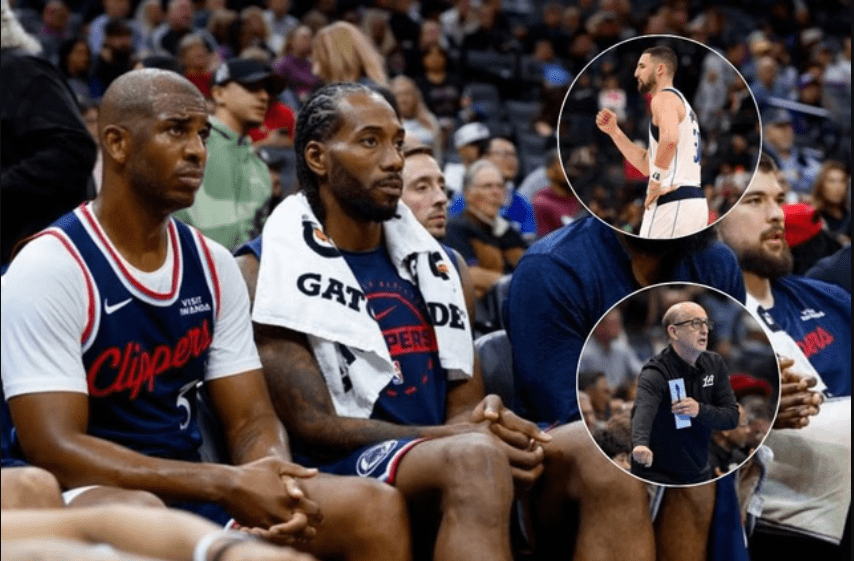
The Fallout: What This Breakup Means for Chris Paul, Ty Lue, and the Future of the Clippers
The consequences of this breakup will not be limited to a single season. They will reverberate throughout the NBA for years, shaping the reputations of everyone involved.
For Chris Paul, this episode becomes part of his complicated but legendary legacy. As he enters the twilight of his career, the way this saga unfolded will raise questions about how teams view veteran leadership, how younger players respond to old school intensity and whether Paul can still find a team that appreciates what he brings without misinterpreting it as criticism or division. His desire to end his career with the Clippers may now be impossible, and his final chapter may take place elsewhere either with a contender willing to embrace his demanding leadership or with a young team needing structure.
For Tyronn Lue, denying a meeting with one of the greatest point guards of all time will remain a controversial decision. Some will see it as a coach standing his ground and protecting the identity of his team. Others will view it as a failure of leadership, an inability to communicate with and respect a veteran seeking clarity. His handling of this situation will follow him, especially as the Clippers continue to struggle. If the season spirals further, critics will revisit this moment as a turning point in the team’s chemistry.
For Lawrence Frank, the emotional trip to Atlanta to deliver the news was a move meant to show respect, but the timing and conditions still left many uneasy. His role in shaping the roster moving forward will come under scrutiny, especially if internal fractures continue.
And for the Clippers as a franchise, this breakup adds yet another chapter to their long history of dysfunction. Even after reaching new heights with Kawhi Leonard and Paul George, the team continues to find itself at the center of controversy and collapse. The fallout from the Paul incident may push players to question the franchise’s communication standards, decision making structure and long-term direction.
The team must now prove that this was the right move. They must win, build chemistry and show that removing Paul truly benefits the group. Otherwise, the breakup will be seen not as a bold correction but as another example of Clippers chaos.
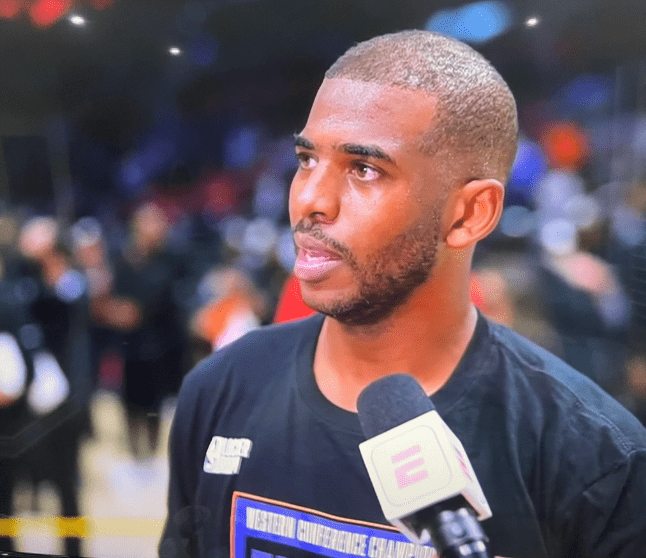
The Bigger Picture: A Story of Miscommunication, Fatigue, Pride, and a Franchise Still Searching for Stability
At its core, this saga is not simply about Chris Paul. It is not just about Ty Lue, or the airport meltdown, or even the accusations of negativity. This story is a reflection of how fragile team environments can be, how quickly communication breakdowns turn into irreversible fractures and how even the most respected veterans can find themselves misunderstood in a rapidly changing league.
The Clippers, a team desperate to climb toward championship relevance, are still battling the ghosts of their past locker room issues, leadership disputes and emotional collapses that derail promising seasons. Paul hoped to be the steadying force that repaired old wounds, but instead became another casualty of the franchise’s unpredictable journey.
His exit, delivered in the quiet hours of a sleepless Atlanta night, symbolizes the instability the Clippers must overcome if they hope to redefine themselves. And for Paul, the breakup serves as a painful reminder that no matter your résumé, leadership approach or intentions, sometimes relationships both personal and professional simply cannot be salvaged.
This story will be talked about for years. Because it captures everything that makes the NBA not just a sport but a human drama: ego, pride, exhaustion, heartbreak, redemption and the dream of one final ride that didn’t go the way anyone expected.