The NBA season is a grind, but for a championship-focused team like the Los Angeles Lakers, the final weeks before the trade deadline can be the most defining. As the February 5th deadline looms, discussions within the franchise turn from routine strategy to existential questions about the roster.
Into this high-pressure environment stepped one of the league’s most powerful non-players. In a move that blurred the lines between representation and roster construction, LeBron James’s agent and Klutch Sports CEO, Rich Paul, publicly proposed a blockbuster trade that would shake the foundation of the Lakers’ future.
This is more than a trade rumor; it’s a philosophical debate on the Lakers’ future, dropped directly into the public discourse by a man with unique influence. The reaction has been anything but unanimous, revealing a deep schism in how to build a championship team around superstar Luka Dončić.
The Case for the Trade: Anchoring a Contender
Rich Paul laid out his case with the clarity of a seasoned negotiator. On his “Game Over” podcast with Max Kellerman, he stated, “If I was the Lakers I would be targeting the Memphis Grizzlies as a trade partner for Jaren Jackson,” framing the move as a necessity for the future.
His reasoning centers on solving the Lakers’ most glaring weakness. The team has struggled defensively, ranking in the bottom ten of the league in key defensive metrics. Jackson, the 2022-23 Defensive Player of the Year, represents a transformative solution. Paul argued, “If you’re building around Luka, you need that anchor,” envisioning Jackson as the elite rim protector who could cover for Dončić when he gets beaten off the dribble.
From Memphis’s perspective, Paul painted a picture of a perfect match. With star Ja Morant reportedly on the trading block, the Grizzlies appear headed toward a rebuild. Paul suggested that Reaves could step in as their “leading scorer and point guard,” a new face for the franchise who would also command the contract extension he deserves. He presented it as a rare “win-win”:
The Case Against: Fatal Flaws and Unanswered Questions
Despite the appealing symmetry, many analysts and fans see the deal as a trap that would solve one problem while creating another, potentially larger one.
The most glaring concern is Jaren Jackson Jr.’s well-documented weakness as a rebounder. Despite his size and defensive prowess, he is notoriously poor on the glass a flaw that would only magnify one of the Lakers’ own biggest weaknesses. The Lakers already rank among the league’s worst rebounding teams, and adding a poor-rebounding big man, likely to play at center, could cripple them on the boards.
Furthermore, Jackson has a history of injuries and is prone to foul trouble, which could limit his availability and impact in crucial playoff minutes. His massive contract, averaging over $50 million for the next several years, also represents a monumental financial commitment for a player with clear weaknesses.
On the other side, trading Austin Reaves is an emotional and practical gut punch. Reaves is having a career year and has emerged alongside Dončić as a pillar of the team’s future. The chemistry between Dončić and a high-scoring guard like Reaves has been a proven formula for success in Dončić’s past playoff runs.
Jackson’s Murky Future in Memphis
The viability of this trade hinges entirely on Memphis’s willingness to part with Jackson. The Grizzlies’ intentions, however, are not entirely clear. While they have signaled a desire to rebuild with youth and have reportedly put Ja Morant on the market, team executives and insiders have offered conflicting reports on Jackson’s status.
Some, like ESPN’s Tim MacMahon, have suggested there is significant doubt around the league about whether Jackson wants to be part of a long-term rebuild in Memphis. Other reports state the Grizzlies’ intent is to extend Jackson and build around him as the new franchise cornerstone.
The Verdict: A High Risk Gamble the Lakers Should Pass On
In the end, Rich Paul’s provocative idea has sparked a vital debate but is likely a road the Lakers should not travel. The proposed trade is fundamentally asymmetrical: the Lakers would be giving up a young, durable, and improving two-way guard for a center with a superstar’s contract and a role player’s rebounding ability. While Jackson’s defense is elite, it comes packaged with liabilities that directly exacerbate existing team weaknesses.
Furthermore, the optics and precedent of the team’s most powerful player’s agent publicly campaigning for a trade involving another player are fraught with conflict and could disrupt team chemistry. The Lakers’ front office, led by Rob Pelinka, has historically valued patience and building organic chemistry over splashy, risky trades that don’t perfectly fit.
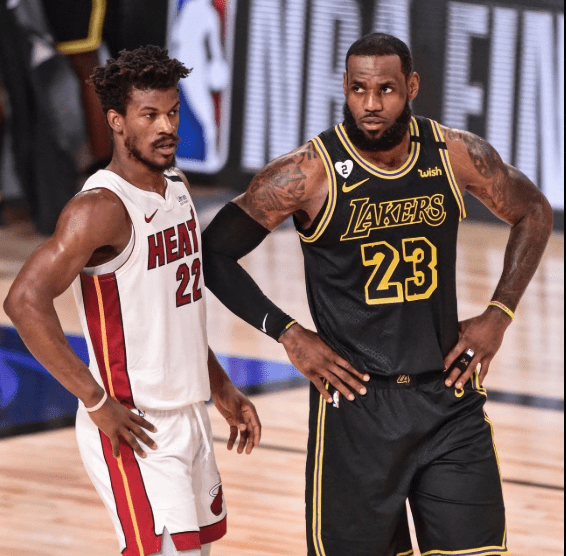
With a solid 23-13 record and a core of Dončić, Reaves, and LeBron James, the Lakers’ path to contention is clearer with internal growth and smaller, more surgical roster moves. Trading a beloved, productive piece of their present and future for a player whose flaws could sink their championship aspirations is a gamble with too many potential losing outcomes.