“Loyalty Is Overrated”: James Harden’s Blunt, Unapologetic Defense of the Modern NBA Player
“The whole quote-unquote loyalty thing is… I think it’s overrated. You know, I think… this is a business at the end of the day. And it’s a lot of money involved and a lot of decisions that has to be made.”
But to Harden himself, he is simply a man who has always understood the fundamental truth of professional sports: it is not a family. It is a business. And businesses make transactions.
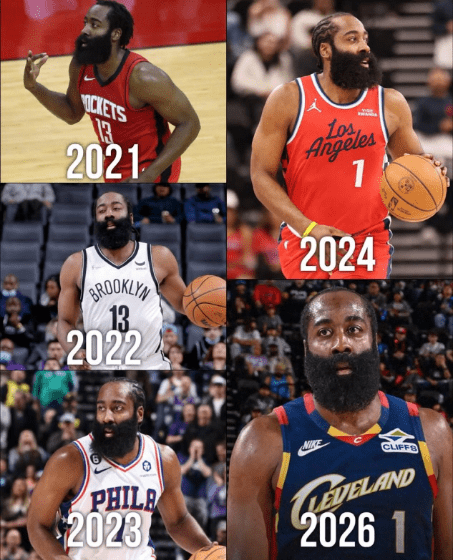
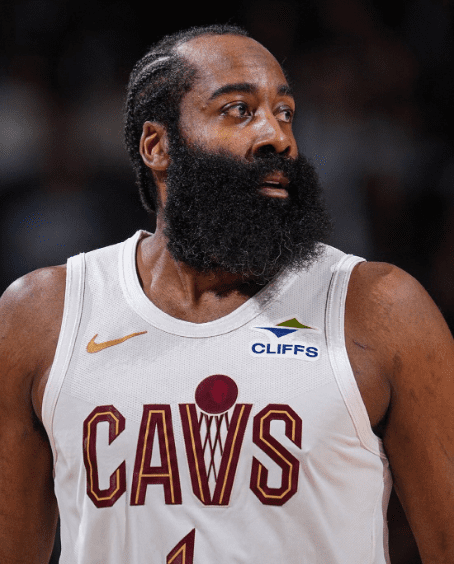
His latest comments, delivered during a reflective moment in the Cavaliers’ locker room, offer the most complete articulation of a philosophy he has lived by and been criticized for since the moment he left Oklahoma City in 2012.
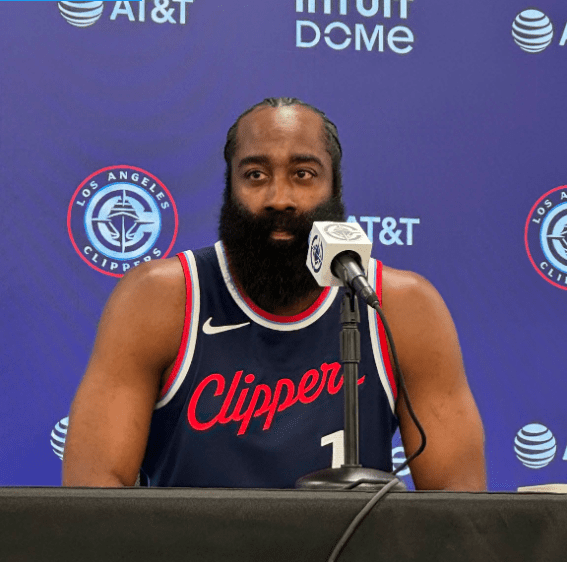
The asymmetry Harden describes front offices rewarded for cold calculation, players punished for the same has defined the NBA’s labor dynamics for decades. He is not complaining. He is simply stating facts.
“Loyalty… is overrated.”
📜 The Harden Doctrine: A Career Built on Honest Transactions
To understand Harden’s perspective, one must trace the arc of his career—not as a series of “betrayals,” but as a series of rational economic decisions made by both sides.
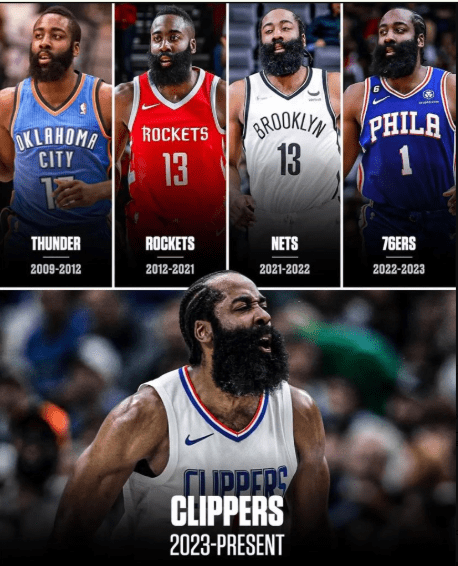
2012, Oklahoma City: Harden, the reigning Sixth Man of the Year, is extension-eligible. The Thunder offer him $52 million over four years—roughly $8 million less than what he believes he’s worth, and significantly less than the max extension offered to teammates Kevin Durant and Russell Westbrook .
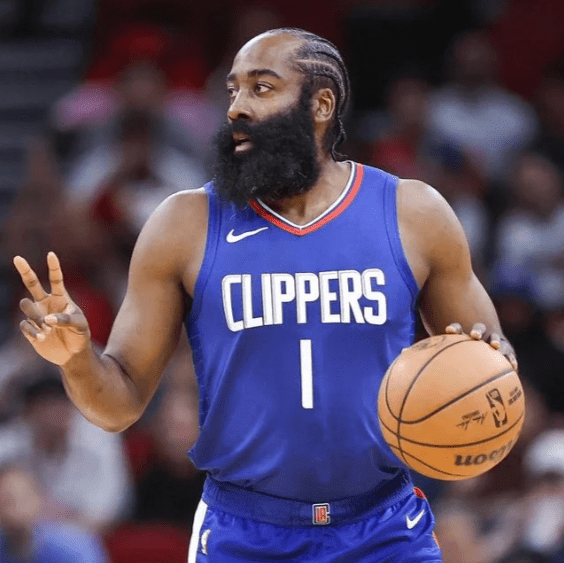
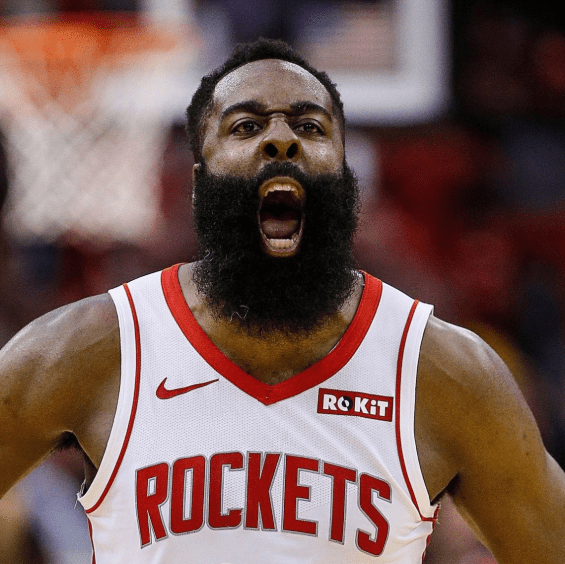
2012-2020, Houston: Harden becomes a perennial MVP candidate, wins a scoring title, and nearly dethrones the Warriors dynasty. The Rockets build around him, trade for Chris Paul and later Russell Westbrook, and spend to the tax line year after year. When the window closes, Harden requests a trade to Brooklyn .
⚖️ The Double Standard: Players vs. Front Offices
Harden’s central argument the asymmetry of “loyalty” as a virtue is supported by decades of NBA history.When a front office trades a player: It’s “making the tough decisions.” It’s “building for the future.” It’s “good business.”
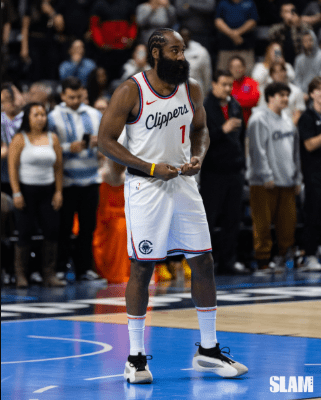
When a player requests a trade: It’s “disloyal.” It’s “selfish.” It’s “destroying the fabric of the league.”“If a guy isn’t happy and he wants to be traded to somewhere else, then it’s a problem.”
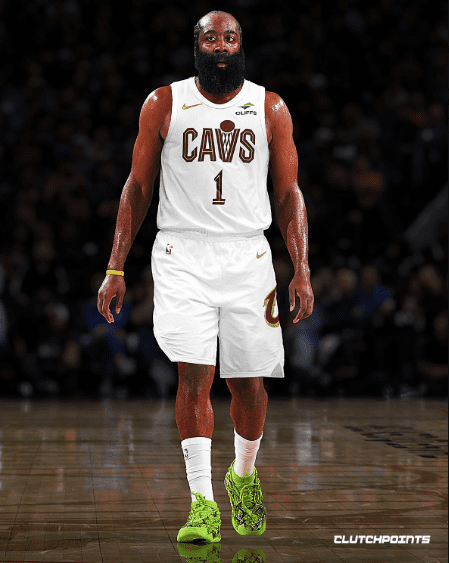
Why? Because the power dynamic has shifted. Players now understand their leverage. They understand that front offices will discard them the moment their production declines or their contract becomes burdensome.
💼 The Business of Basketball: What “Loyalty” Actually Costs
Harden’s philosophy is not cynicism. It is accounting.
Consider the financial stakes:
| Decision | Team Outcome | Player Outcome |
|---|---|---|
| Team trades declining star | Saves money, acquires assets | Player uprooted, family disrupted |
| Player demands trade | Recoups assets, resets timeline | Player chooses destination |
| Team extends aging player | Risk of “dead money” contract | Financial security |
| Player takes “hometown discount” | Cap flexibility, title chance | Millions left on table |
Harden knows this because he has lived it. He took a $15 million pay cut in Philadelphia to help the Sixers build a contender . When they failed to honor their commitment, he was labeled a problem. The front office, which reneged on a promise, faced no such scrutiny.
“Loyalty… is overrated.”
Not worthless. Not irrelevant. Overrated. The distinction matters. Harden is not arguing that loyalty has no value; he is arguing that it is ascribed disproportionate moral weight when the entire system is designed to maximize leverage, not sentiment.
🧠 The Evolution: Why This Generation Thinks Differently
Harden’s candid assessment also reflects a generational shift in how NBA players view their careers.
The old model—embodied by Tim Duncan, Kobe Bryant, and Dirk Nowitzki—was the exception, not the rule. Those players spent their entire careers with one franchise because those franchises were consistently competent. The Spurs drafted and developed. The Lakers traded for stars. The Mavericks built around Dirk. Loyalty was reciprocal .
The modern player has watched too many legends spend their primes on bad teams—Kevin Garnett in Minnesota, Chris Paul in New Orleans, Anthony Davis in New Orleans—to romanticize organizational commitment. They have seen front offices trade fan favorites for salary relief and call it “rebuilding.” They have learned that the only person guaranteed to advocate for your interests is you.
Harden did not create this environment. He simply adapted to it.
“This is a business at the end of the day. And it’s a lot of money involved and a lot of decisions that has to be made.”