Jeff Teague Fires Back at Odell Beckham Jr. in Explosive Viral Rant: “You Can Live Off $5 Million Forever” Inside the Brutal Financial Reality Check That Has Completely Divided Fans, Athletes, and the Entire Sports World
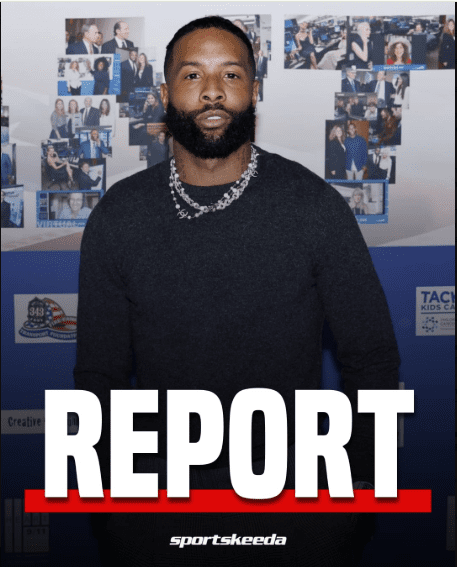
The debate began with what seemed like a simple opinion from Odell Beckham Jr., one of the most recognizable faces in the NFL. During a recent appearance, Beckham expressed a view that instantly ignited controversy: he claimed that one hundred million dollars was not enough for someone to live on for the rest of their life. In a landscape where millions of fans are struggling with cost-of-living increases, stagnant wages, and inflation, hearing a superstar athlete talk about one hundred million dollars as “not enough” immediately struck a nerve. Social media erupted, not necessarily because people were angry at Beckham personally, but because the statement felt disconnected from the reality that most fans face every day.
As fans debated the comment, athletes began responding too, and that is when NBA champion Jeff Teague stepped into the conversation. Teague, known today for his storytelling and no-filter honesty on his widely watched podcast, quickly became the loudest and most viral voice in the discussion. His response was not gentle, subtle, or diplomatic. Instead, it was blunt, forceful, and impossible to ignore. He said that not only was Beckham wrong, but that a person could live comfortably for a lifetime off five million dollars, not one hundred. From there, the debate transformed from simple disagreement into a full-blown cultural conversation about wealth, spending, discipline, lifestyle, and what it truly means to be financially secure.
Teague’s argument was straightforward. He insisted that the real issue was not the amount of money athletes earned but the way they spent it. His message was that any athlete who believed one hundred million dollars was not enough simply had the wrong financial habits, the wrong team around them, and the wrong understanding of wealth preservation. The average fan immediately connected with Teague’s message because it reflected what many people consider common sense. What truly fueled the debate, however, was how drastically different the perspectives of Beckham and Teague appeared to be, despite both living in the same world of professional sports.

For athletes, money arrives quickly and disappears even faster. The lifestyle around them creates pressure to spend at levels that often become unsustainable, even for players earning tens of millions. That reality is at the center of this argument, and it explains why the conversation between Teague and Beckham captured so much attention. What started as a debate about numbers soon evolved into a conversation about responsibility, identity, insecurity, and the illusion of endless wealth. That is why the moment exploded because fans did not simply watch two athletes disagree. They witnessed two completely different worldviews collide publicly.
Inside Odell Beckham Jr.’s Mindset: Why Some Athletes Believe $100 Million Won’t Last
To understand why Odell Beckham Jr. expressed the belief that one hundred million dollars is not enough for a lifetime, one must look beyond traditional financial logic and into the lifestyle of elite athletes. Professional sports creates an environment that celebrates excess, encourages luxury, and normalizes financial decisions that would seem unimaginable to the average person. From private jets to luxury vehicles, designer clothing, custom jewelry, real estate purchases, entourage expenses, and ongoing lifestyle upkeep, athletes often find themselves surrounded by expectations that naturally inflate their sense of “normal.”
For top-tier athletes like Beckham, there is also a psychological layer that is important to understand. A player of his status lives in a world where sponsorships, mega-contracts, endorsements, and public attention all create a constant image of success. Maintaining that image can become a full-time job. The lifestyle associated with his visibility is expensive, and because these athletes spend years immersed in this environment, their baseline for what feels “normal” gradually shifts upward. What seems expensive to the average person begins to feel reasonable to them.
Beckham’s comment also reflects a deeper fear shared by many athletes: the fear of losing everything once their career ends. Players know their earning window is short, sometimes brutally short. A single injury can end a career. An unexpected release from a team can eliminate millions in potential earnings. Because of this uncertainty, athletes sometimes overestimate how much they need to remain financially secure for the rest of their lives. What looks like exaggeration to fans may actually reflect the anxiety of knowing a career can end at any moment.
Yet even with all of this considered, Beckham’s comment still struck fans as tone-deaf. It felt disconnected from the reality of everyday people who work lifetime careers without ever approaching anything near one hundred million dollars. That disconnect is what opened the door for Jeff Teague to enter the conversation with a starkly different perspective—one grounded in discipline, strategy, and common sense.
Jeff Teague’s Explosive Response: “You Can Live Off $5 Million Forever”
Jeff Teague did not tiptoe around Beckham’s comment, nor did he try to soften his opinion to avoid backlash. Instead, he delivered one of the most viral, brutally honest financial breakdowns ever heard from a former NBA player. He insisted with complete confidence that five million dollars, if handled properly, was enough to last a person the rest of their life. The way he explained it instantly resonated with fans because it simplified a concept that often feels complicated.
Teague argued that someone who receives five million dollars does not need to spend it. Instead, they need to invest it. He claimed that even placing a portion of that money into secure, interest-generating investments could create annual returns large enough to cover all basic living expenses. According to Teague, the real issue is not how much money an athlete makes but how much they expect to spend to maintain a lifestyle that is more about status than necessity.
His perspective reflected a level of financial wisdom that many fans found refreshing. Teague emphasized that a person does not need multiple luxury cars, massive mansions, or an entourage of friends living off their wealth. He explained that living below one’s means is the key to long-term stability. If someone used two million on a home and invested the rest intelligently, he argued, the returns alone could support them for decades without touching the principal.
The reason Teague’s words went viral is because he spoke plainly and without hesitation. He broke down the mathematics in a way that felt logical, accessible, and grounded in real-world experience. His argument made people understand how even enormous wealth could disappear if handled poorly, and how modest wealth could last indefinitely if managed responsibly. The contrast between his thinking and Beckham’s mindset became the heart of the debate.
The Reality of Athlete Spending: Why Millionaires Go Broke So Fast
One of the most important truths behind the viral debate is the fact that athletes, despite earning staggering amounts of money, also face staggering financial pressures. The lifestyle around them is expensive by default. The moment a player enters the league, the environment begins shaping their expectations. They are surrounded by teammates buying expensive cars, wearing luxury jewelry, traveling privately, and posting lavish lifestyles on social media. The pressure to match that energy is overwhelming.
Additionally, many athletes experience sudden wealth without any preparation. They often come from backgrounds where financial literacy was never taught. Receiving millions of dollars in a short period creates a sense of invincibility, especially when peers reinforce the idea that lavish spending is normal. This disconnect between short-term income and long-term planning is one of the leading reasons athletes lose their wealth.
Another factor is the lack of proper financial guidance. Many athletes hire advisors who lack experience, or worse, have questionable intentions. Scams, mismanagement, and poor investments have drained fortunes from countless players. Even when athletes hire reputable advisors, they sometimes ignore the guidance because their ego, environment, and expectations convince them that their earning power will never decline.

This is the world Beckham lives in, and it explains why he may believe one hundred million dollars is not as large as fans imagine. But this is also the world Teague rejected. His message is that athletes need to break out of the toxic financial bubble of professional sports and adopt a more grounded, sustainable lifestyle. His perspective echoes the stories of many former players who learned their financial lessons painfully lateWhy Jeff Teague’s Message Resonated With Millions
Jeff Teague’s viral moment did not resonate because he is a financial expert. It resonated because he spoke like a regular person who happened to have lived inside the world of professional sports and came out with his common sense intact. Fans immediately connected with the simplicity of his viewpoint. It made people feel seen, understood, and validated in a way that Beckham’s comment did not.
Teague’s message carried emotional weight because it represented discipline, humility, and awareness. It showed fans that not all athletes fall into the mindset of believing endless wealth is normal. His words were a reminder that financial security is not about the amount of money a person makes but the habits they build and the decisions they consistently commit to.
The debate also revealed how deeply fans crave authenticity from athletes. People are exhausted by displays of excess that feel disconnected from everyday life. Teague’s honesty broke through that barrier and allowed people to see that wealth, even enormous wealth, does not define intelligence, happiness, or long-term success.
The Larger Lesson: What Fans, Athletes, and Influencers Can Learn
The debate between Teague and Beckham ultimately highlights a larger truth about financial literacy. Money itself is not enough. Knowledge, discipline, and humility are what turn temporary wealth into lifelong security. Athletes who fail financially are often those who underestimate how quickly their careers can change and how expensive their “normal” lifestyle truly is.
The conversation also shows how dangerous it can be to normalize excessive spending. When athletes present their extravagant lifestyles as universal, it distorts reality. Younger players entering professional sports internalize these expectations and begin spending accordingly. That cycle repeats until their careers end, and suddenly, financial instability becomes a frightening reality.
Teague’s message is powerful because it provides a counter-narrative. He shows that athletes can live well, enjoy their wealth, and still maintain discipline that ensures their future remains secure long after the spotlight fades.
The Debate Will Continue But Jeff Teague Won This Round
Whether or not people agree with Teague’s exact numbers, his message resonated far more deeply than Beckham’s. He spoke in a way that reflected reality, humility, and financial maturity. Fans and athletes alike found themselves reconsidering their assumptions about wealth and responsibility. The debate is far from over, but one thing is clear: Teague delivered a wake-up call that the sports world desperately needed