“‘The Only Virgin in the NBA?’ How a Bizarre Josh Giddey Rumor Took Over Basketball Culture, Why Fans Believed It, and What This Viral Myth Says About the League’s Obsession With Personal Narratives”
Introduction: How a Baseless Claim Became an Internet ‘Fact’
In the modern NBA, basketball performance alone is rarely enough to define a player’s public image. Today’s stars are shaped just as much by social media narratives, fan speculation, memes, and viral exaggeration as they are by points, assists, or wins. In this environment, even the most absurd claims can gain traction if they fit an existing storyline or personality stereotype. Few recent examples illustrate this phenomenon more clearly than the viral assertion circulating online that Josh Giddey is “the only virgin in the NBA.”
The claim, often reposted without evidence and occasionally framed as a supposed historical statistic, has appeared in comment sections, meme pages, and low credibility sports accounts. Some posts have gone as far as to frame it as a “first since Carlos Boozer in 2007,” despite no credible source ever documenting such a category, measurement, or statement. The fact that such an idea could spread at all reveals something important not about Josh Giddey’s personal life, which remains private and undocumented, but about the way NBA discourse increasingly prioritizes sensationalism over substance.
This article does not attempt to confirm or deny any player’s sexual history. That information is private, unknowable, and irrelevant to basketball evaluation. Instead, it examines how this rumor emerged, why it resonated, how it reflects broader cultural dynamics within sports fandom, and what it tells us about the internet’s appetite for labeling, mocking, and oversimplifying athletes.
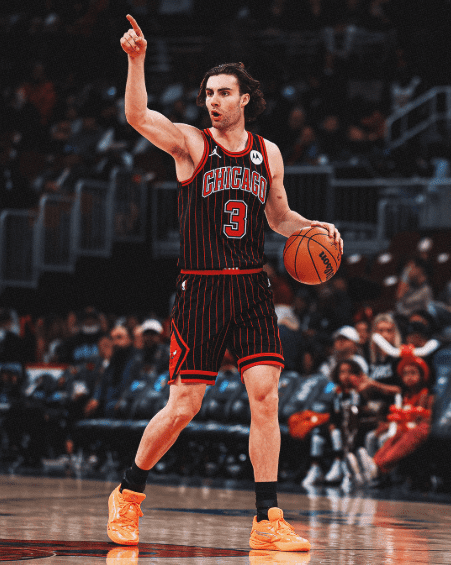
Josh Giddey’s Public Image: Why He Became an Easy Target for Internet Myth Making
Josh Giddey entered the NBA with a profile that differed from many modern American basketball prospects. An Australian guard with a pass first mindset, an unflashy scoring approach, and a calm, reserved demeanor, Giddey did not arrive surrounded by the typical branding associated with young NBA stars. He was not heavily marketed as a fashion icon, a nightlife figure, or a social media personality. Instead, he was primarily known for court vision, basketball IQ, and maturity beyond his years.
For internet culture, this made him uniquely vulnerable to caricature. Online narratives often thrive on extremes: players are either hyper-masculinized symbols of excess or reduced to awkward stereotypes if they do not conform to those expectations. Giddey’s relatively low key presence, combined with his youthful appearance and limited public discussion of his personal life, allowed fans to project assumptions onto him without resistance.
This phenomenon is not new. Throughout NBA history, players who do not fit dominant cultural archetypes have often been subjected to exaggerated myths. From assumptions about toughness to speculation about lifestyle choices, fans have long used limited public information to construct entire fictional identities. In Giddey’s case, silence became a blank canvas for absurd storytelling.
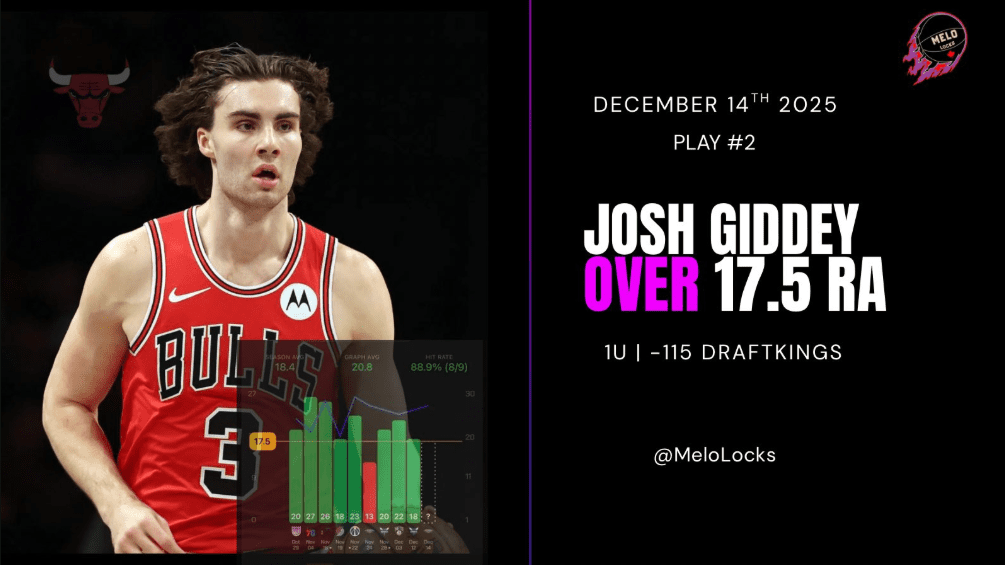
The Anatomy of a Viral Sports Rumor: How False Claims Gain Momentum
The spread of the “only virgin in the NBA” narrative follows a familiar pattern in online sports discourse. It begins with a joke, often posted ironically or sarcastically. That joke is then stripped of context, reposted by aggregation accounts, and gradually reframed as something closer to fact. As the claim circulates, repetition replaces verification.
Social media platforms reward engagement, not accuracy. A shocking or humorous statement generates reactions, shares, and comments, regardless of its truthfulness. Over time, the same claim appearing across multiple accounts creates the illusion of legitimacy. For casual readers, volume becomes evidence.
In this case, the rumor’s phrasing mimics official sports trivia, referencing historical benchmarks and implying statistical tracking that does not exist. This presentation style exploits the authority of sports data culture, where fans are accustomed to hearing hyper specific facts. The absurdity of the category paradoxically makes it more shareable, because it feels both outrageous and oddly plausible in meme form.

Why Sexual Narratives Persist in Sports Media Culture
Sports fandom has always been entangled with ideas of masculinity, identity, and status. For decades, athletes have been portrayed as symbols of dominance, success, and desirability. This framing often reduces players to exaggerated ideals that leave little room for nuance or privacy.
When a player does not publicly perform these expectations, fans sometimes respond by assigning counter-narratives. These narratives are rarely rooted in evidence; instead, they function as social commentary, humor, or even subtle punishment for nonconformity. Sexual rumors, in particular, are an easy shortcut because they tap into deeply ingrained cultural assumptions.
In Giddey’s case, the narrative says more about the audience than the subject. The fixation on whether a professional athlete conforms to a specific sexual image reflects a broader discomfort with complexity. Fans often want athletes to be characters in a story rather than individuals with private lives.
Debunking the ‘Historical Claim’: Why This Category Has Never Existed
One of the most misleading aspects of the viral posts is the suggestion that being a “virgin” is somehow a tracked or documented status within NBA history. No credible league records, interviews, or reporting have ever categorized players by sexual experience. The mention of previous players in similar contexts is entirely fabricated or taken from joke culture.
The NBA does not and has never collected or disclosed information about players’ sexual lives. Any claim framed as a “first since” statistic in this domain is inherently false. The structure mimics legitimate sports trivia, but the substance collapses under even minimal scrutiny.
This blending of statistical language with fictional premises highlights a growing problem in digital sports media: the erosion of boundaries between satire, rumor, and reporting. When everything is formatted the same way, readers must work harder to distinguish reality from performance.
What This Episode Reveals About Modern NBA Fandom
The persistence of this rumor underscores how NBA fandom has shifted from analysis to narrative consumption. Many fans now engage with the league primarily through storylines rather than games. Personal myths, rivalries, and off court speculation often generate more attention than on court execution.
This environment incentivizes creators to push boundaries, knowing that outrage and disbelief drive traffic. It also places players in a difficult position. Responding to absurd claims can legitimize them, while ignoring them allows them to spread unchecked. Most athletes choose silence, which is often the healthiest option but also leaves the narrative uncontested.
In the end, the Josh Giddey rumor is not about truth. It is about how easily fiction can be accepted when it fits a preconceived image and satisfies the internet’s appetite for humor and shock.
Conclusion: Separating Entertainment From Reality in NBA Discourse
Josh Giddey’s career will ultimately be defined by basketball by his development, his impact on winning, and his longevity in the league. The viral myth surrounding his personal life will fade, replaced by the next sensational storyline targeting another player.

What remains is a lesson for fans and media consumers. Not every claim deserves attention. Not every narrative is harmless. And not every silence is an invitation for speculation. As NBA culture continues to evolve in the digital age, the responsibility to separate entertainment from reality becomes increasingly important.
The “only virgin in the NBA” claim is not a fact, a statistic, or a revelation. It is a case study in how modern sports mythology is created and how easily it can be dismantled with critical thinking.