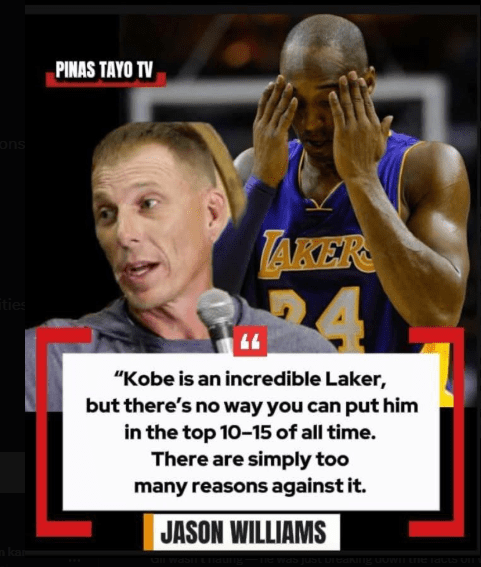
Former NBA star Jason “White Chocolate” Williams has ignited a fiery debate with his explosive, deeply critical assessment of Kobe Bryant’s legacy.
While the legendary Lakers guard is often placed in the top five or ten players in basketball history, Williams contends that Bryant doesn’t even rank among the top 15 all-time and is only the fifth-greatest Laker ever.
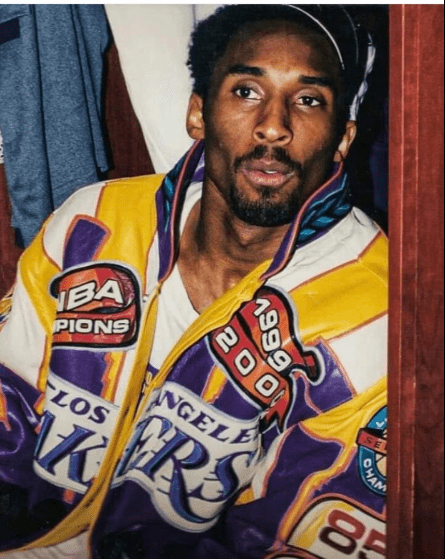
The Case Against Kobe’s Greatness
Williams bases his controversial take on a statistical and accolade-based critique, challenging several pillars of Kobe’s legendary status:
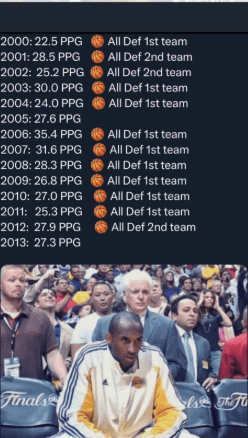
- The “Underwhelming” MVP Case: A central point of Williams’ criticism is Kobe’s singular regular-season MVP award (2008). In an era with icons like Tim Duncan, Kevin Garnett.
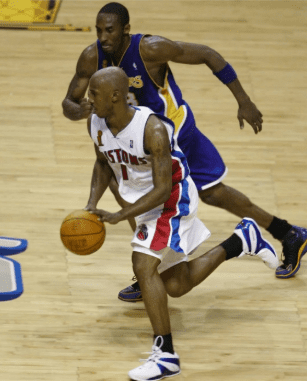
- Questioning Finals Dominance: Williams casts doubt on Kobe’s performance in his championship runs. He points to Kobe’s efficiency in his two Finals MVP series.
- The Efficiency Argument: A broader critique targets Kobe’s career field goal percentage of 44.7%. Williams and supporters of this view label his shooting as “spotty”
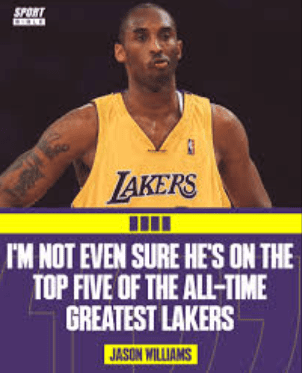
- The Lakers’ Pecking Order: Williams’ harshest blow might be his re-ranking of Lakers royalty. He places Kobe at fifth in franchise history, behind Magic Johnson.
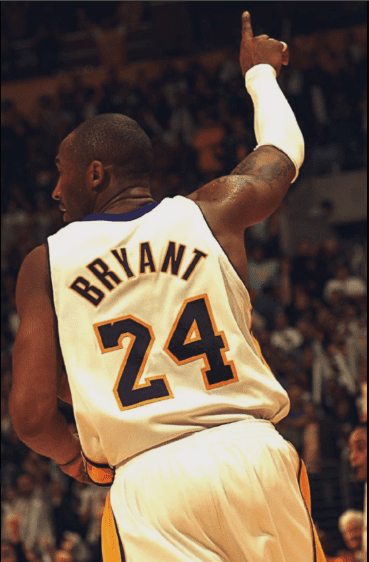
Fan Reactions and the Broader Debate
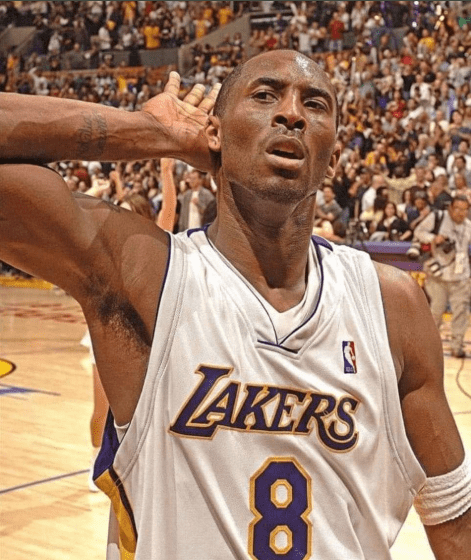
The reaction on social media has been intensely polarized, reflecting the deep emotional connection fans have with Kobe’s legacy.
| Reaction Category | Example Fan Sentiment (Paraphrased) |
|---|---|
| Agreement with Williams | “The facts are the facts: one MVP and a 44% career shooting percentage.” |
| Defense of Kobe’s Era | “He took Jordan’s blueprint and elevated the game in ways MJ never did.” |
| Criticism of Timing | “Nobody was talking like this when he was alive.” |
| Dispute Over Lakers Ranking | “LeBron over Kobe as a Laker? That’s rage bait.” |
Weighing the Legacy
While Williams’ statistical arguments can be fact checked, the debate ultimately hinges on what we value in a player’s legacy. His critique focuses on efficiency metrics and MVP awards, tangible measures where other legends may rank higher.
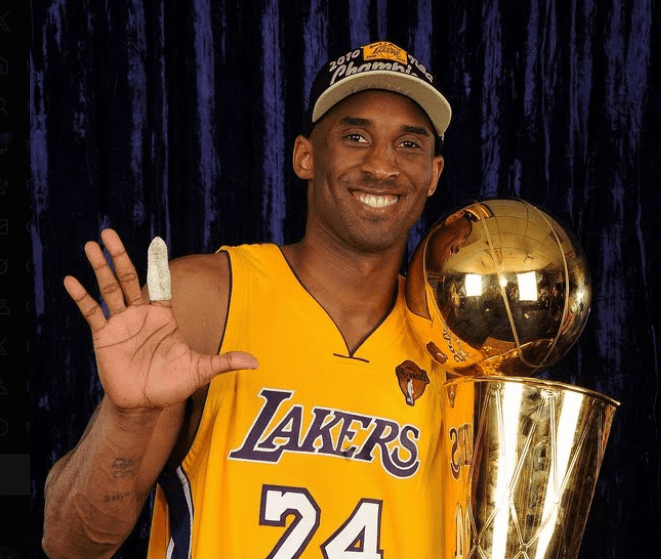
However, Kobe’s defenders argue for the intangible and contextual: his five championships, his role as the heart of the Lakers for two decades, his legendary work ethic and “Mamba Mentality,”
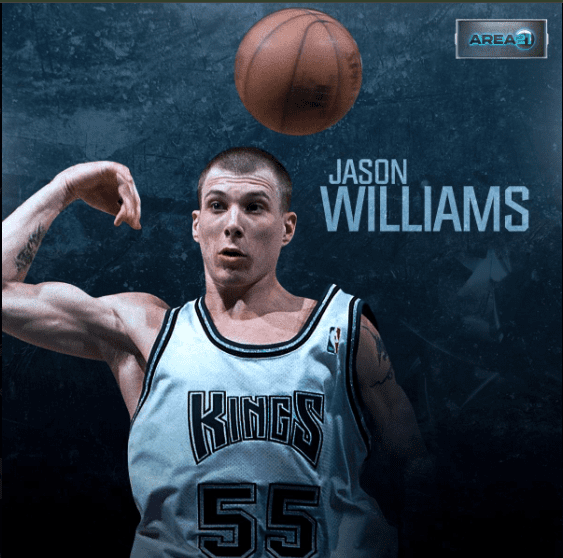
In the end, Williams’ take is a provocative, numbers-driven challenge to a legacy built on much more than statistics. It forces a conversation about how we measure greatness.
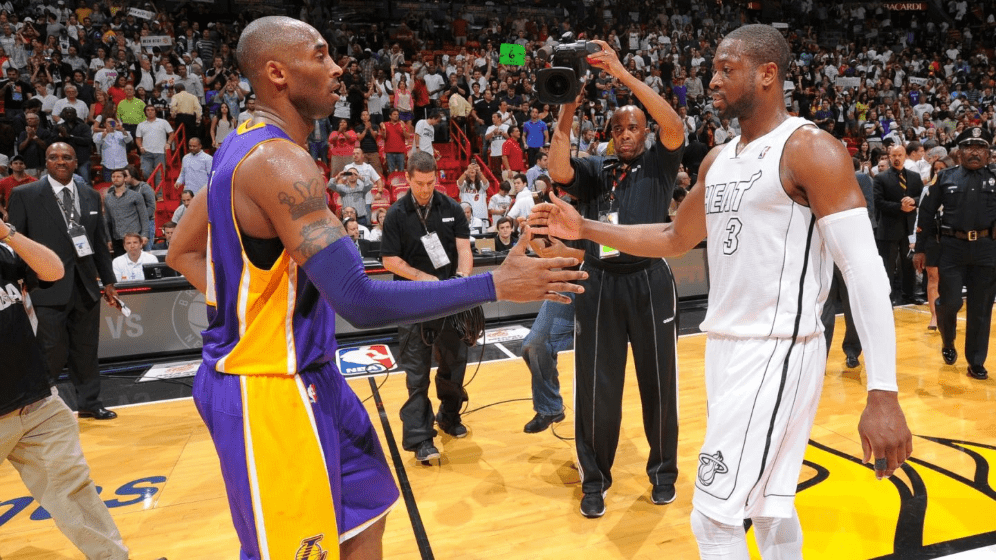
Would you be interested in a deeper comparison of Kobe’s career statistics against other shooting guards like Michael Jordan or Dwyane Wade?