Arenas’ Blast from the Past: How Michael Jordan’s “Struggles” Were Buried by a “Positive” Press
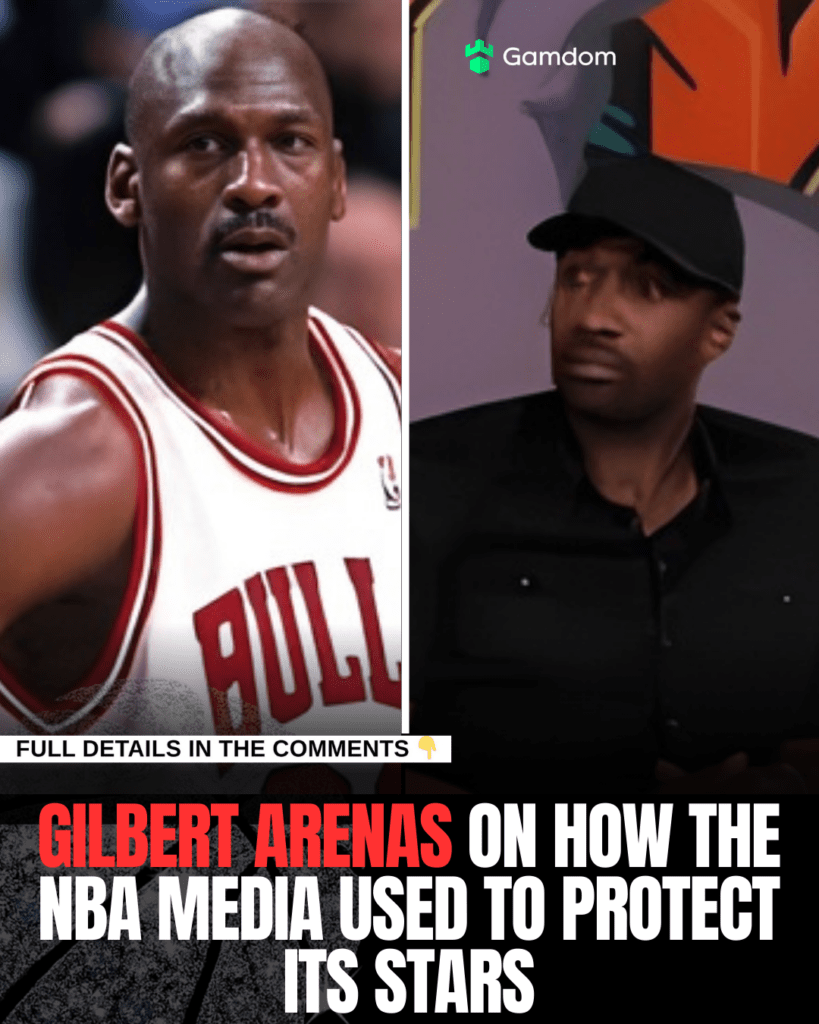
In an era where every missed shot and off-night is dissected across social media and hot-take television, former NBA All-Star Gilbert Arenas has ignited a debate about the role of the media by shining a light on a forgotten chapter of basketball history.
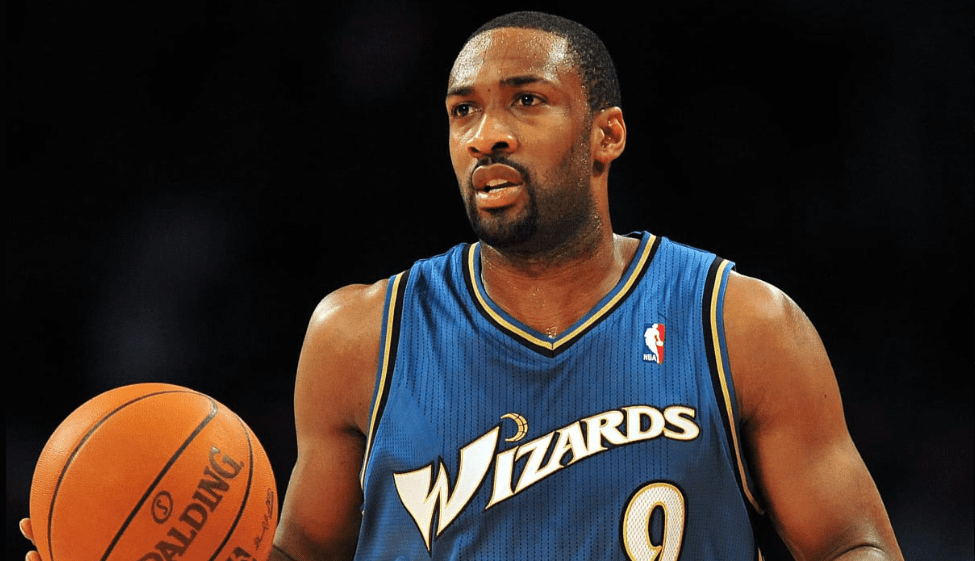
According to “Agent Zero,” today’s critical coverage stands in stark contrast to the “glorified” and “positive” press of the 1980s and 1990s, which he claims actively protected the league’s superstars
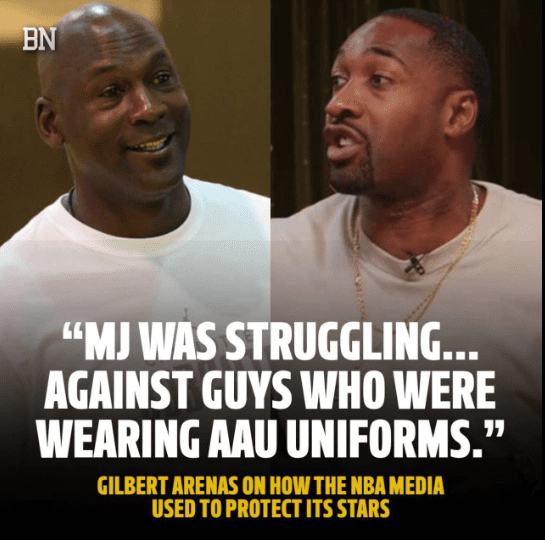
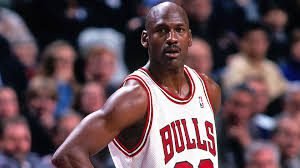
“There was no negativity in the early 80s, 90s. The game was glorified and pushed positive,” Arenas wrote on social media. He then pointed to the Barcelona Olympics: “Imagine USA ’92 team today, and looking at Michael Jordan box scores are talked about today from how he performed.
In ’92, nobody knows MJ was struggling in Olympics and shooting that bad against guys who were wearing AAU uniforms… We didn’t hear struggling.”
The Hidden Numbers: Jordan’s Uncharacteristic 1992 Olympics
A look at the box scores Arenas referenced reveals a performance that would be a major storyline in today’s 24/7 news cycle:
| Player | Field Goal % | Points Per Game | Notable Context |
|---|---|---|---|
| Michael Jordan | 45.1% | 14.9 | Second-worst FG% on team (only behind Christian Laettner’s 45.0%). Led team in turnovers (1.8 per game). |
| Dream Team Average | ~56% | N/A | Team shot an incredible 57.8% for the tournament. |
| Charles Barkley | 71.1% | 18.0 | Led team in scoring and was its most efficient force. |
For context, Jordan was coming off his second NBA championship and MVP season, where he shot 51.9% from the field. His Olympic shooting percentage was a dramatic dip.

The “Educate and Celebrate” Era vs. The Debate-Driven Present
Arenas argues this information was suppressed by a media ecosystem with different goals. “They talked about it very differently than they do now,” he said
His critique echoes a concern voiced by NBA Commissioner Adam Silver. Last year, Silver lamented the shift from celebration to constant critique, quoting legendary coach Mike Krzyzewski’s simple formula for coverage: “We should educate people about the game, and celebrate the game.
This shift is evident in the contrast between broadcast styles. Arenas and others have pointed to the positive reception of Amazon’s new studio crew featuring Dirk Nowitzki, Blake Griffin, and Steve Nash—who are praised for focusing on “real basketball” with “less drama.
A More Complex Media Reality
While Arenas’s point about the protective nature of past media holds truth, the full picture is more nuanced.
- The Dream Team Narrative: In 1992, the overarching story was the historic and awe-inspiring dominance of the first U.S. professional team. Jordan’s subpar shooting was a minor footnote in a larger narrative of global basketball conquest. The focus was on the team’s collective invincibility, not individual stat lines.
- The Modern Digital Landscape: Today’s media environment is fractured and driven by clicks and engagement. Critical debate, “hot takes,” and player comparisons generate more traffic than straightforward game analysis. The incentive structure has fundamentally changed.

- Access vs. Criticism: In Jordan’s era, beat reporters relied heavily on player and team access, which could be jeopardized by overly negative coverage. Today, with more media outlets and platforms, that leverage has diminished.
Gilbert Arenas has done more than just reminisce; he has highlighted a fundamental evolution in how sports are consumed and discussed.