A Sexist Outburst and a Groveling Apology: Inside Alperen Şengün’s Referee Confrontation
“That was immature by me,” a contrite Alperen Şengün told reporters, offering a public apology for an incident that saw him ejected from a game for repeatedly calling a female referee a “b****” in a shocking, profanity-laced meltdown that was captured by enhanced arena audio.
The NBA found itself confronting an ugly incident of disrespect this past week when Houston Rockets center Alperen Şengün was ejected from a game for a targeted, sexist verbal assault on rookie female referee Jenna Reneau.
The episode, which was caught on broadcast microphones and shared virally online, forced the 23-year-old star into a public reckoning and sparked a broader conversation about respect for officials and the particular challenges faced by women in the sport.
The Incident: A Viral Audio Clip Reveals Ugly Truth
The confrontation occurred midway through the fourth quarter of the Rockets’ February 5th game against the Boston Celtics. After driving to the basket and feeling contact from Celtics center Al Horford, Şengün became incensed when Reneau did not call a foul.
Enhanced audio from the broadcast, shared widely on social media platform X, left no ambiguity about what transpired. As captured by the account @legendz_prod, the exchange was stark:
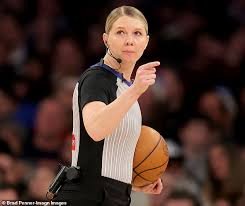
- Şengün: “He’s up on me… you a b*tch! F*cking b*tch!”
- Celtics Coach (presumably): “Woah! Hey, get him out of here!”
- Referee Reneau: “He can’t call me that, no!”

Remarkably, as he was being escorted off the court, Şengün doubled down, calling Reneau a “b*tch” for a third time. The use of the gendered slur, repeated and deliberate, elevated the incident from a typical technical foul for arguing into a clear case of targeted verbal abuse.
The Apology: “I Should Have Known Better”
In the days following the ejection, the NBA had not announced any supplemental discipline in the form of a fine or suspension. However, facing intense public scrutiny, Şengün addressed the incident directly for the first time after the Rockets’ next game on February 8th.

“That was just in the moment, and I said some stuff I shouldn’t say, but I felt bad about it,” Şengün told reporters. “Sometimes you can’t control yourself, but I should have known better.”

He claimed to have taken immediate steps to make amends, stating, “I fixed it and then I went to the locker room and I apologized. I shake [her] hand and said that would never happen again. It just happened in the heat of the moment. Then she understood, and it was good on both ends.”
The Broader Context: A Stark Contrast and a Troubling Pattern
The timing of Şengün’s outburst made it particularly damning for the Rockets organization. The incident occurred on National Girls and Women in Sports Day. Just hours before the game, the Rockets’ own social media channels had posted a video featuring star Kevin Durant discussing how women’s basketball had shaped his love for the game. The juxtaposition was stark and highlighted a persistent issue within professional sports.

While male athletes frequently argue with and berate male officials, the use of specifically gendered insults against female referees introduces a different, more insidious layer of disrespect. It attacks not just a call, but the official’s very right to be on the court. For a rookie official like Reneau, such a public confrontation from an All-Star caliber player represents a significant professional challenge.
The Unanswered Questions and Lasting Impact
While Şengün has apologized, several questions remain. The NBA’s lack of an immediate announced fine or suspension is notable, though one could still be forthcoming. More importantly, the incident serves as a public test case for how the league handles clear-cut verbal abuse that crosses into sexist territory.
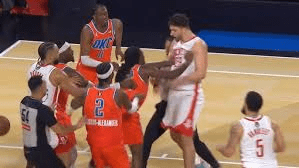
For Alperen Şengün, the episode is a major stain on his reputation. Known as a passionate and skilled young big man, he is now also associated with one of the season’s most disrespectful moments. His apology, while necessary, must be followed by demonstrable change in his on-court demeanor.

For the NBA and its officiating corps, it reinforces the need for unwavering support for all officials, especially women who continue to break barriers in a male-dominated space. The league’s response or lack there to this incident will send a powerful message about what behavior it is willing to tolerate on its courts.

I hope this article provides a comprehensive overview of this troubling incident. If you are interested in the history of female referees in the NBA or the league’s past disciplinary actions for similar conduct, feel free to ask.