2003’s Pinnacle Debate: Was Peak Tracy McGrady Truly the Best Player on the Planet?
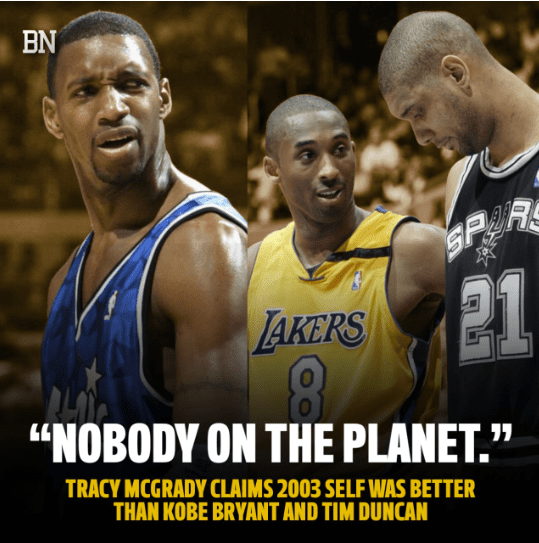
“I don’t think anybody on the planet was better than ’03 T-Mac,” McGrady declared to Candace Parker, a bold claim that places his younger self above legends like Tim Duncan and Kobe Bryant who were collecting championships and MVPs. It’s a statement that forces us to ask: what does it mean to be the best?
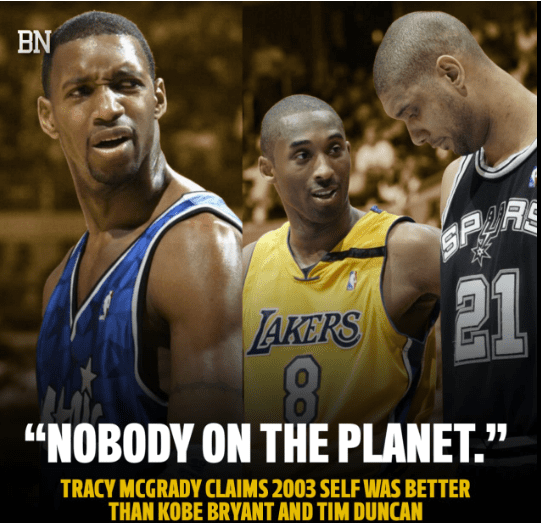
In the annals of NBA history, the 2002-2003 season stands as a fascinating crossroads of legacies. It was the year a 23-year-old Tracy McGrady, or T-Mac, reached an offensive zenith so breathtaking that he firmly believes, over two decades later, that he was the planet’s premier player.
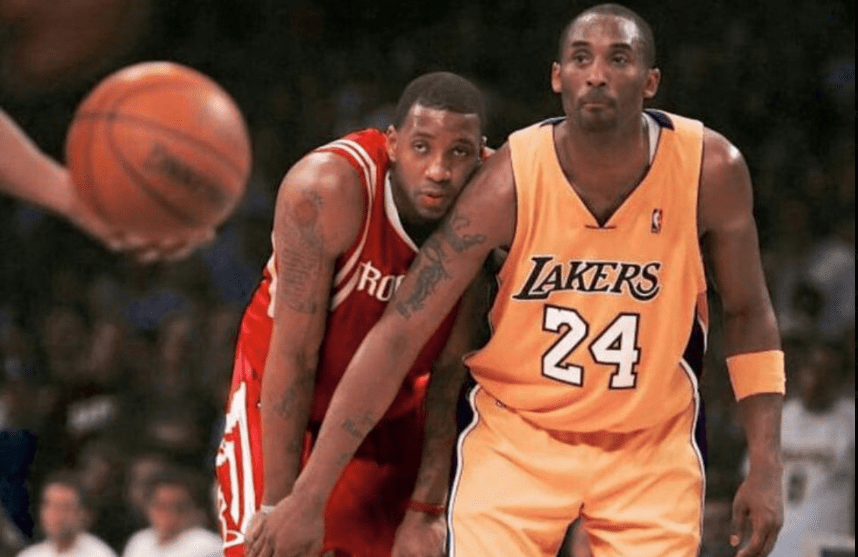
The debate between McGrady’s peak and Duncan’s pinnacle is more than nostalgic trivia; it’s a fundamental argument about how we define basketball greatness. Is it the sheer, unstoppable force of individual scoring talent, or is it the holistic impact that translates directly into the ultimate team success?
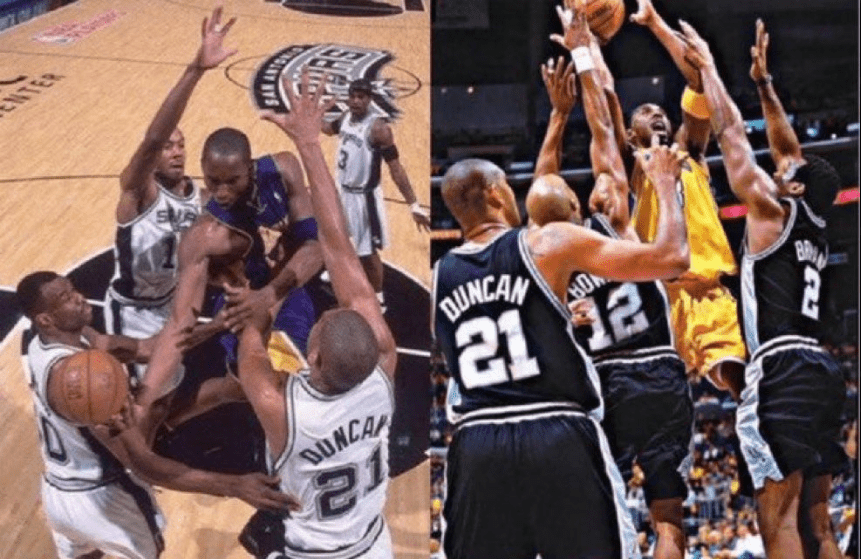
The Case for ’03 T Mac: An Offensive Tour de Force
By the winter of 2003, Tracy McGrady was a force of nature. In his third season with the Orlando Magic, the 6’8″ wing was at the absolute peak of his athletic and scoring powers. The numbers from that campaign still leap off the page:

For McGrady, this transcendent offensive ability—the capacity to score from anywhere, against anyone, at will was the ultimate measure of being the best. It was a personal peak he felt no one could match.
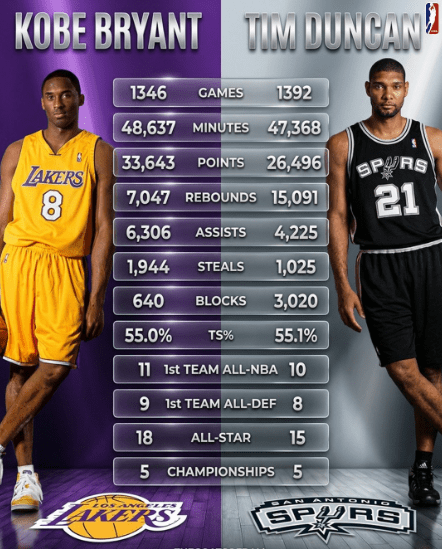
The Reality of 2003: Duncan’s Season of Ultimate Validation
While McGrady’s case is built on spectacular individual production, Tim Duncan’s 2002-2003 season is the blueprint for consummate team greatness and legacy-defining achievement.
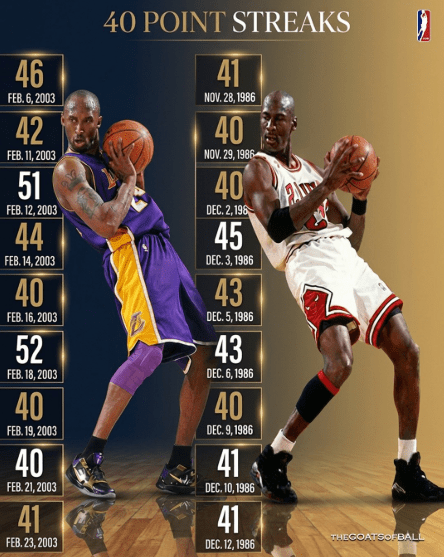
The following table contrasts their key achievements from that season:
| Metric | Tracy McGrady (Orlando Magic) | Tim Duncan (San Antonio Spurs) |
|---|---|---|
| Regular Season Avg | 32.1 PPG, 6.5 RPG, 5.5 APG | 23.3 PPG, 12.9 RPG, 3.9 APG, 2.9 BPG |
| Team Record | 42-40 (8th in East) | 60-22 (Best in NBA) |
| Season Accolades | Scoring Champion, All-NBA 1st Team, 4th in MVP voting | NBA MVP, All-NBA 1st Team, All-Defensive 1st Team |
| Playoff Result | Lost in First Round (3-4) | NBA Champion, Finals MVP |
| Defensive Impact | 0.8 blocks, 1.7 steals per game | Anchor of elite defense, 2.9 blocks per game |
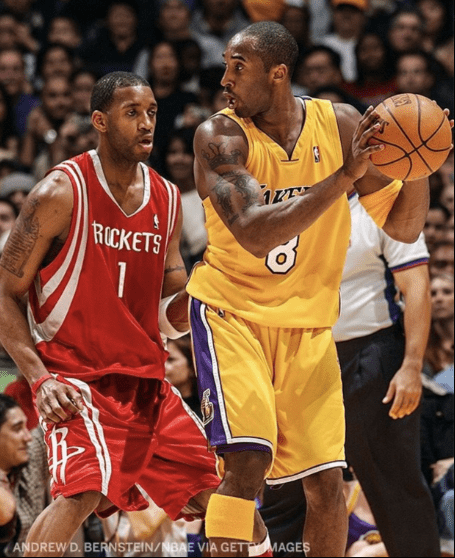
Kobe Bryant: The Formidable Third Contender
Lurking in this two-man debate is Kobe Bryant, who was in the midst of his own prime. The Lakers’ guard posted a phenomenal 2003 season, averaging 30.0 points, 6.9 rebounds, 5.9 assists, and 2.2 steals per game.
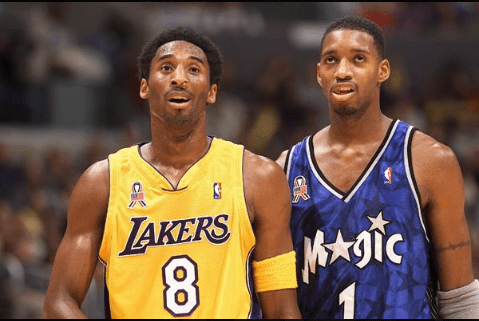
He finished third in MVP voting behind Duncan and Kevin Garnett, leading a Lakers team that, while not a title contender, remained a powerhouse. Bryant’s all-around excellence and legendary competitive drive make him an unavoidable part of any “best player” conversation from that era.
The Heart of the Debate: Peak vs. Pinnacle
McGrady’s bold statement ultimately forces a philosophical choice.
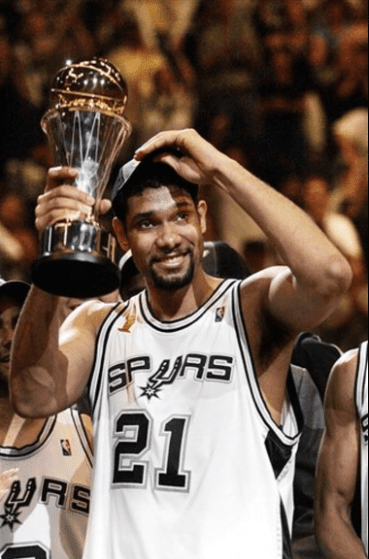
If you define “the best” as the player who provided the greatest overall value to his team, resulting in the highest level of team success and the accumulation of the sport’s top honors, then Tim Duncan is the unequivocal answer. His game, built on his “Big Fundamental” nickname
I hope this analysis provides a clear breakdown of this fascinating NBA debate. Would you like to explore how advanced statistics from that era might further compare their impacts?