Sophie Cunningham and the $2 Million Standard: How a Soccer Deal Amplifies the WNBA Pay Debate
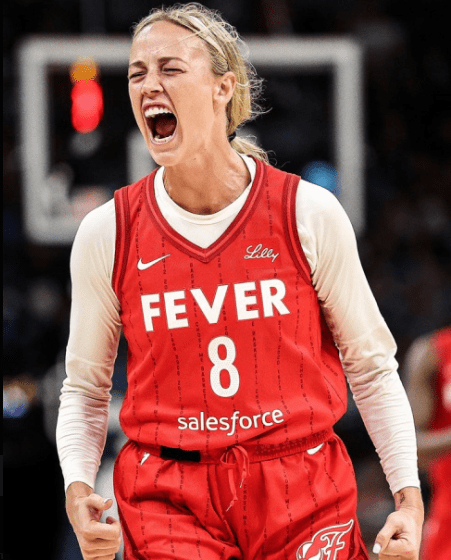
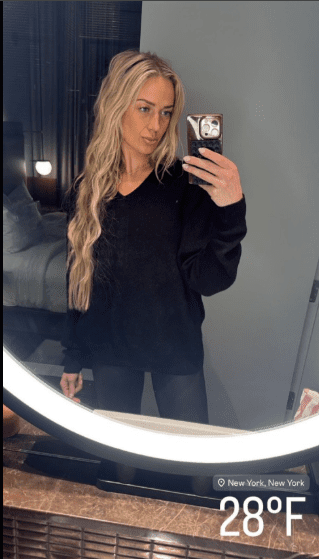
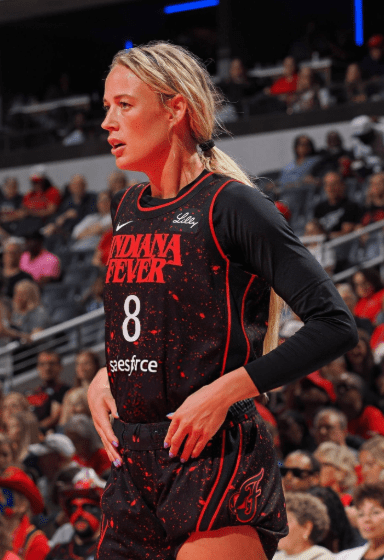
Indiana Fever guard Sophie Cunningham’s one-word Instagram reaction on Friday a simple, all-caps “YESSSS” was far more than a congratulatory post for a peer in another sport.
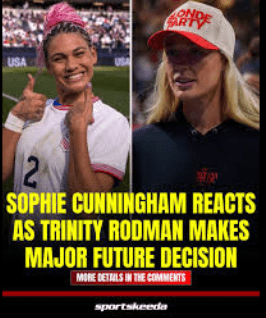
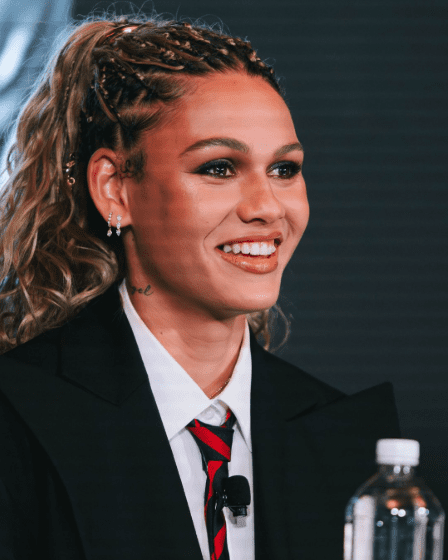
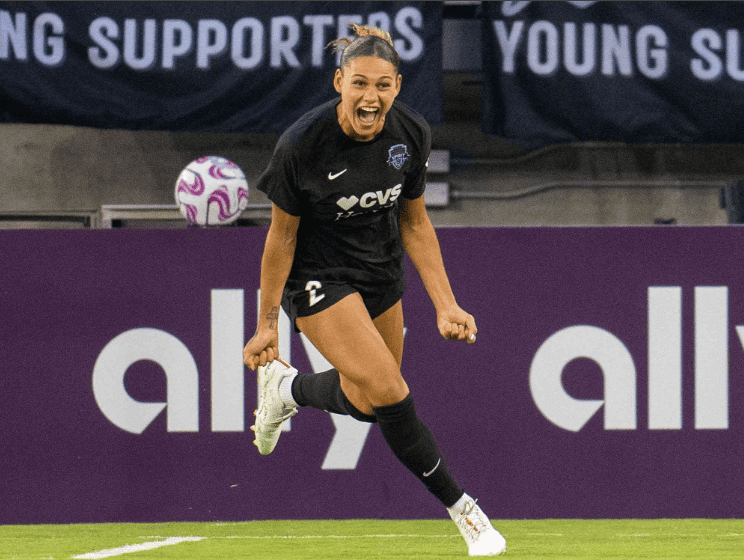
Cunningham was publicly reacting to news that Washington Spirit forward Trinity Rodman had become the highest-paid female athlete in the world by signing a three-year contract worth over $2 million per year.
Her brief message, seen widely as a subtle but pointed commentary, landed at a crucial moment: the WNBA and its players are deadlocked in tense collective bargaining agreement (CBA) negotiations, with a vast gulf between their financial visions for the league’s future.
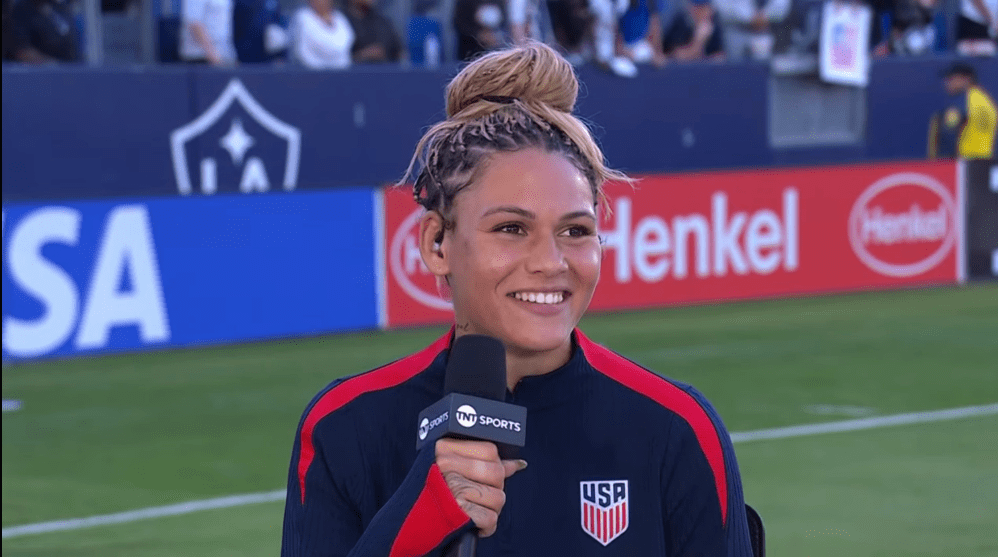
The Deal: A New Landmark for Women’s Sports
Rodman’s contract with the NWSL’s Washington Spirit is a landmark for several reasons:
- Historic Salary: At over $2 million annually, it makes her the highest-paid women’s soccer player globally, surpassing the previous benchmark set by Spain’s Aitana Bonmatí.
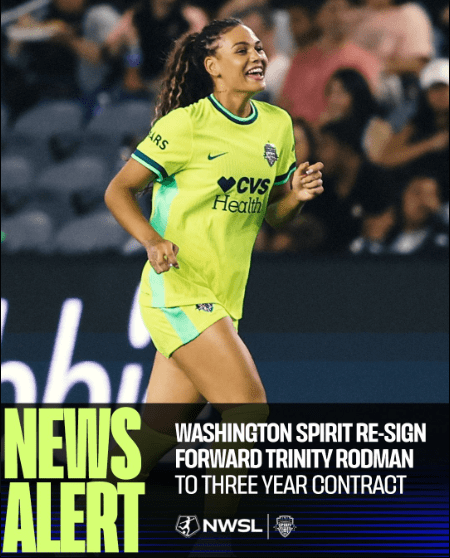
- The “HIP Rule”: The deal was made possible by the NWSL’s newly created “High Impact Player” (HIP) rule, introduced in December 2025. This rule allows teams to spend up to $1 million over the league’s $3.5 million team salary cap to retain top talent who meet specific performance criteria.
- Contentious Path: The path to this record deal was contentious. In late November, the Spirit and Rodman agreed on a backloaded contract, but the league rejected it, stating it violated the “spirit” of the salary cap rules.
Why a Soccer Deal Rattles the WNBA
Cunningham’s enthusiastic reaction directly touches on a core frustration for WNBA players. Rodman’s contract is not just a high number; it represents a financial philosophy that many WNBA players believe their own league has been slow to embrace.
A comparison of the current financial landscapes highlights stark differences:
| Aspect | WNBA (Current CBA) | NWSL (After Rodman Deal) | Implication for WNBA |
|---|---|---|---|
| Top Salary | ~$252,450 (Jackie Young, 2025) | $2M+ (Trinity Rodman, 2026) | Creates a massive, publicly visible benchmark for elite pay in women’s sports. |
| Negotiation Focus | Revenue Sharing: Players want 30% of gross revenue; League offers 50% of net revenue. | Talent Retention: Created a new rule (HIP) specifically to pay a star her market value and keep her from Europe. | Highlights a debate: Is the WNBA prioritizing league “sustainability” over investing in its biggest stars? |
| League Philosophy | Cautious growth, with the league claiming the players’ proposal could lead to $700M in losses. | “Player-centric” investment, framing elite talent as an engine for growth, not an expense. | Forces the question: Can the WNBA afford to let its most marketable players seek higher pay overseas? |
The Stalled WNBA Negotiations
The context makes Cunningham’s post particularly resonant. The WNBA and the WNBPA have been negotiating for months. The previous CBA expired and after several extensions
- Players’ Proposal: The union has proposed a much larger salary cap in the “$10 million-plus” range, which would allow average salaries to approach $1 million. They are seeking a share of the league’s gross revenue.

- League’s Proposal: The WNBA has countered with a salary cap proposal around $5 million, with raises tied to future revenue growth. They prefer to share net revenue, which accounts for the league’s operational expenses.

This stalemate persists even as the league moves forward, having just released its 2026 regular season schedule for its 30th anniversary.