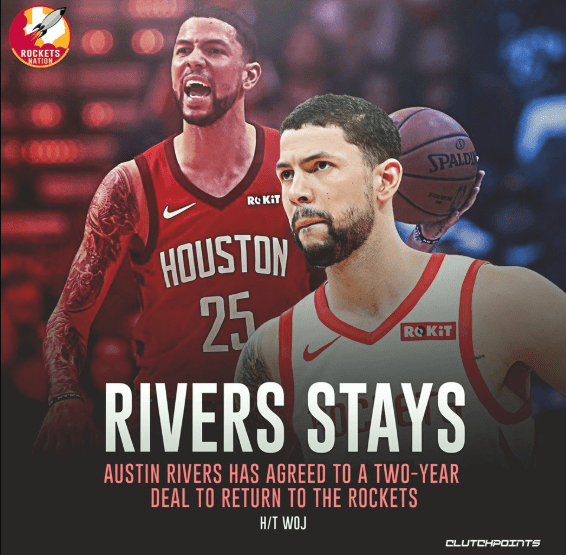
A new kind of conflict is brewing in the NBA, and it’s not on the court. It’s happening on podcasts and in media soundbites. At the center of the latest storm are two names: veteran guard Austin Rivers and super-agent Rich Paul.
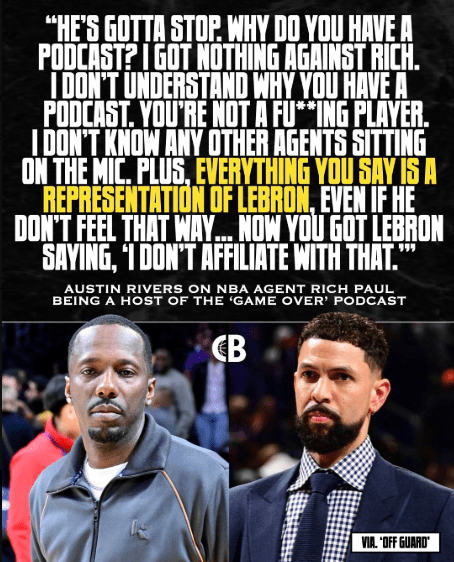
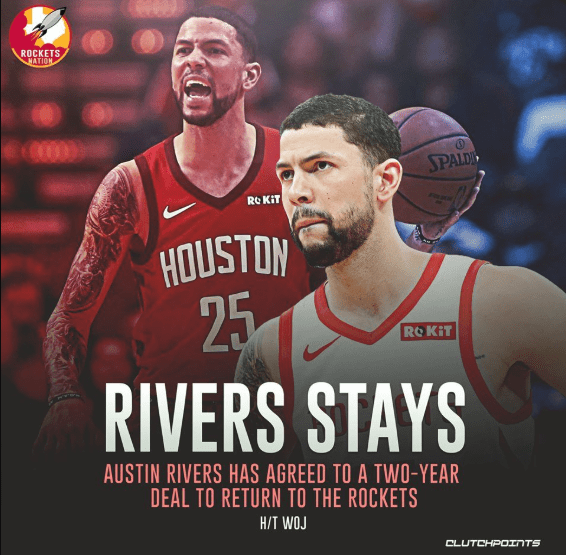
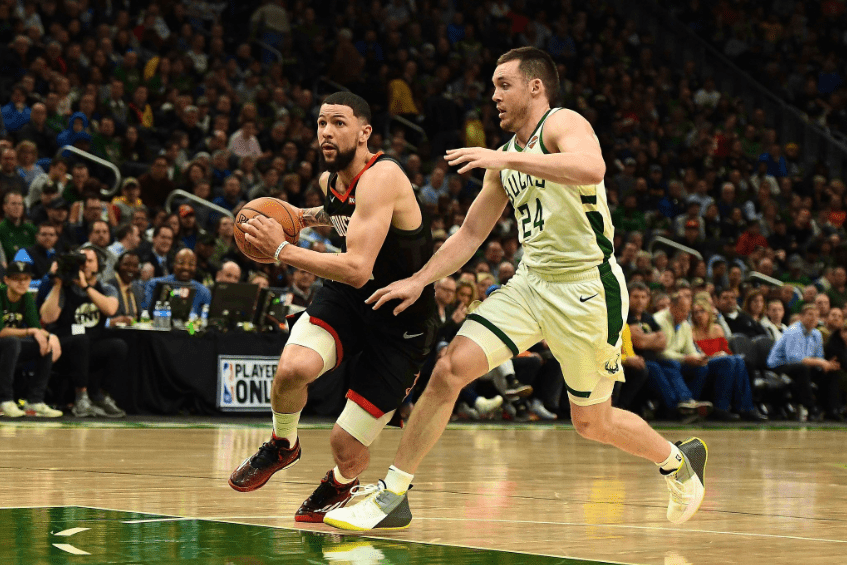
Rivers has launched a direct and fiery critique of Paul’s decision to host his own basketball talk show. He argues that an agent’s public commentary, especially about the teams his clients play for, creates an unacceptable conflict of interest.
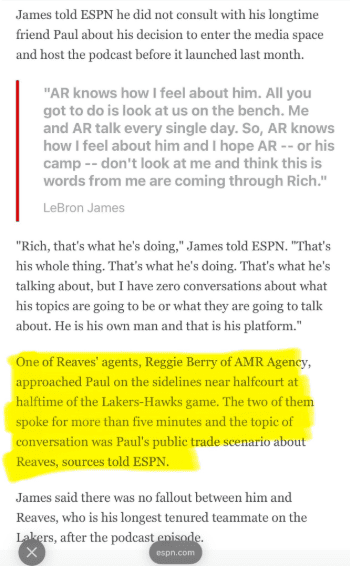
The issue has sparked a fierce debate about the modern roles of agents, media, and player influence in today’s league.
“You’re Not a Player”: The Core of the Complaint
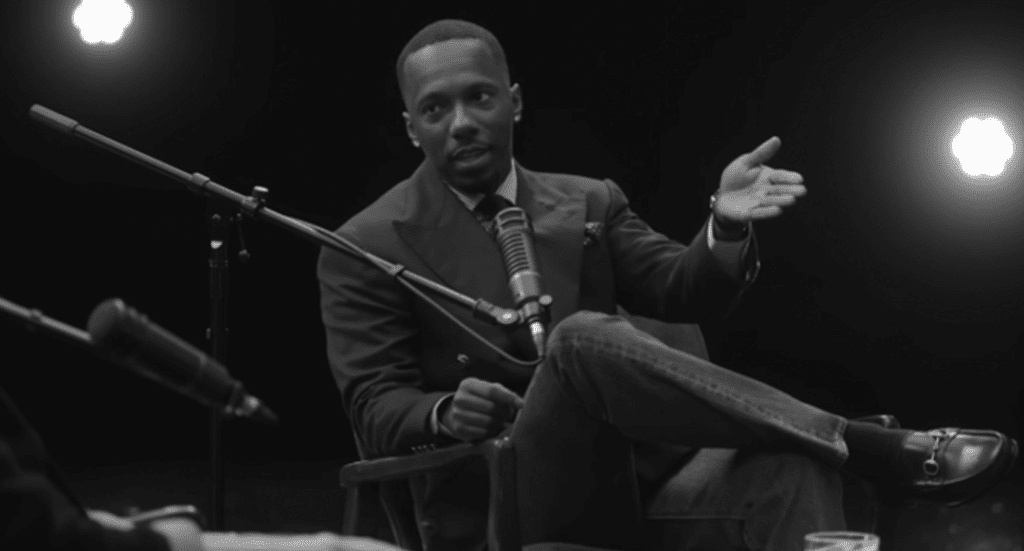
Austin Rivers did not hold back in his criticism of Rich Paul’s podcast, “Game Over with Max Kellerman.” His central argument is about professional boundaries.
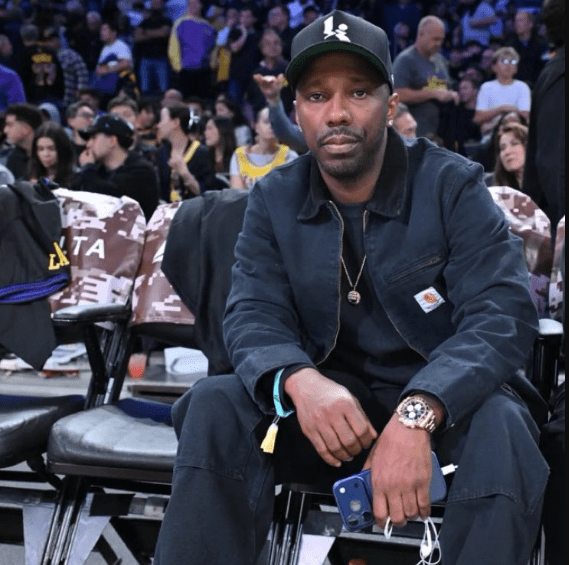
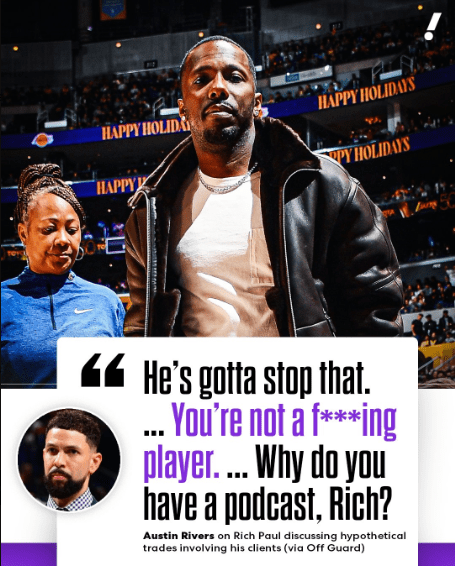
“Why do you have a podcast, anyway?” Rivers asked pointedly. “You’re not a fu**ing player. I don’t know any other agents sitting on the mic talking.”

He argues this creates immediate problems for Paul’s most famous client, LeBron James. “Everything you say is gonna be a representation of LeBron, even if he don’t feel that way,” Rivers stated.
This has already played out publicly. After one of Paul’s shows, LeBron was forced to tell reporters, “Rich is his own man.” He had to clarify that his agent’s opinions were not his own.
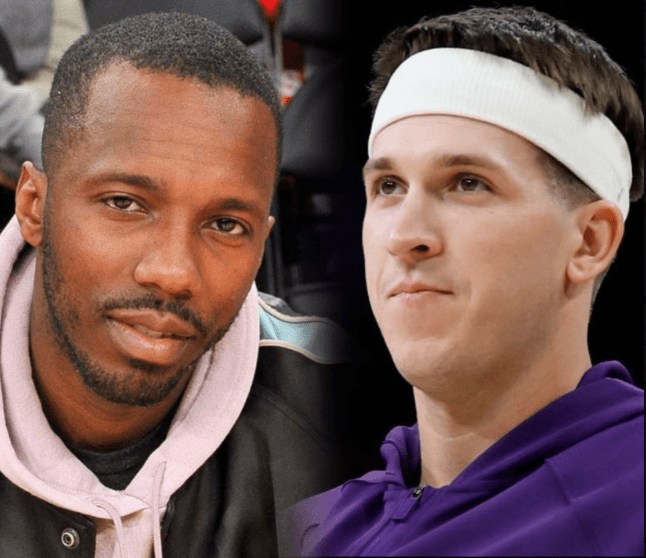
Rivers sees this as a fundamental failure. “That shouldn’t even have to be a conversation,” he said.
The Flashpoint: A Wild Trade Suggestion
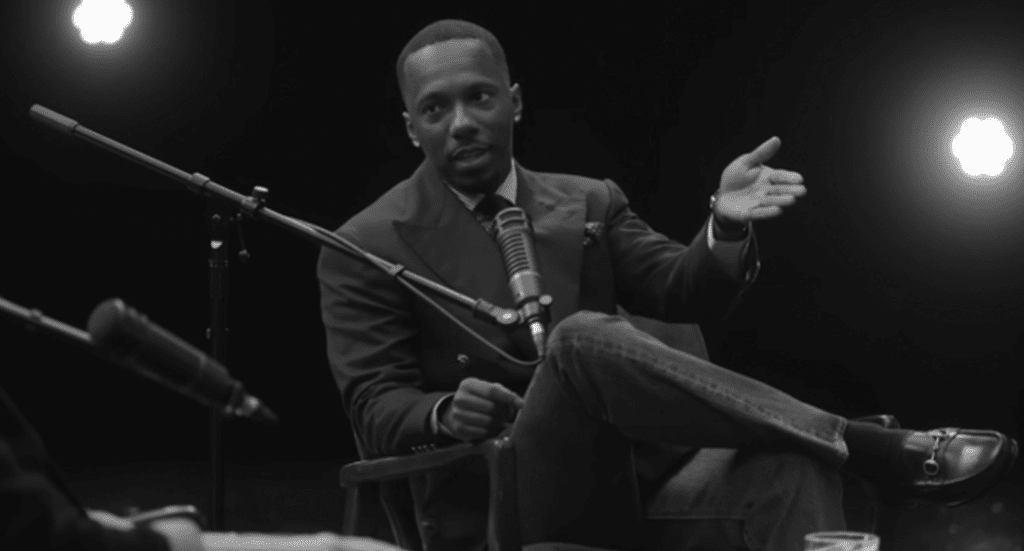
The controversy reached its peak over specific content on Paul’s show. In a recent episode, the agent engaged in roster analysis for the Los Angeles Lakers.
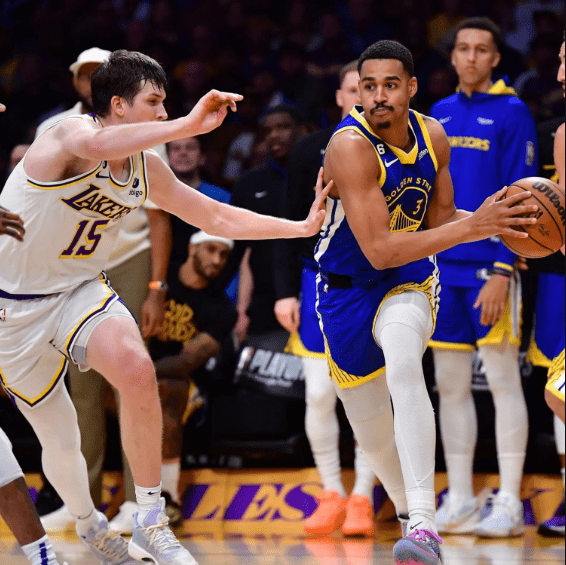
He suggested the Lakers should trade young star Austin Reaves to the Memphis Grizzlies for All-Star forward Jaren Jackson Jr.
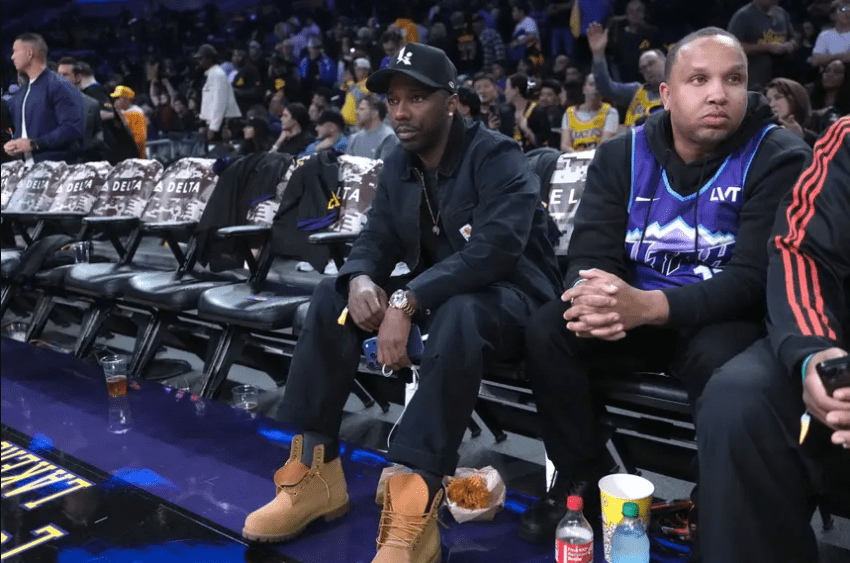
“It’s a conflict of interest,” Rivers emphasized. “The client that built this with you is a Laker. So, you talking about Lakers roster & who they need to trade as an agent is WILD.”
A New Frontier or a Step Too Far?
The debate Austin Rivers has ignited is about more than one podcast. It’s about the evolving nature of power and media in the NBA.
Rich Paul is not just any agent. He is the founder of Klutch Sports, one of the most powerful agencies in basketball. His influence in shaping rosters and directing player movement is immense, often operating in the shadows.
By starting a podcast, he has brought that influence into the light. He is acting as both a powerful insider and a public commentator.
The league now faces a new question. In an era where everyone has a platform, where should the line be for those with real, behind the scenes power?
Is Rich Paul pioneering a new model of transparent influence? Or is he, as Austin Rivers argues, creating a problematic “conflict of interest” that forces stars like LeBron to clean up public messes?