Arenas’s Scathing Indictment and the End of the “Grit and Grind” Dream
When the Memphis Grizzlies, powered by a young, swaggering Ja Morant, finished as the Western Conference’s second seed in the 2022-23 season, the future in Memphis seemed limitless. The team embodied a new-age “Grit and Grind,” with Morant’s breathtaking athleticism and fearless leadership at its core.
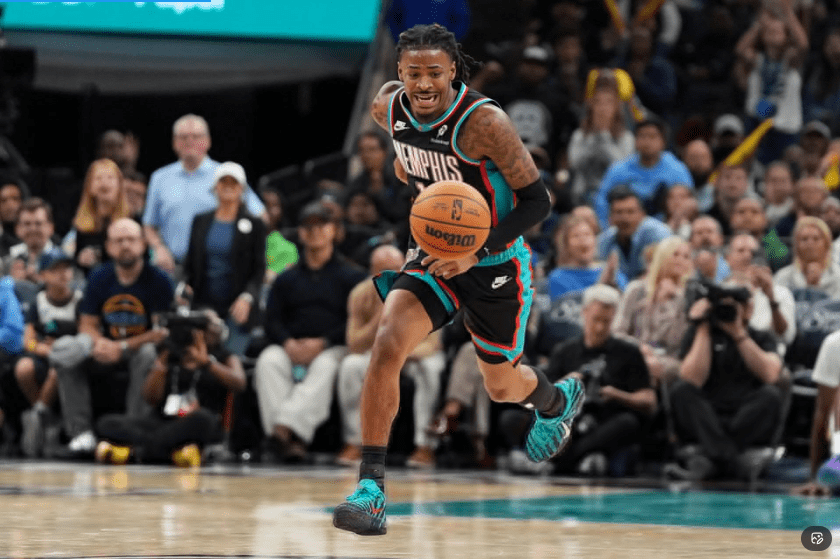
The consensus was clear: this was a budding dynasty, a perennial contender on the rise. That dream now lies in tatters. In January 2026, reports from ESPN’s Shams Charania confirmed the unthinkable: the Memphis Grizzlies are openly listening to trade offers for their franchise cornerstone, the 26-year-old, two-time All-Star Ja Morant.
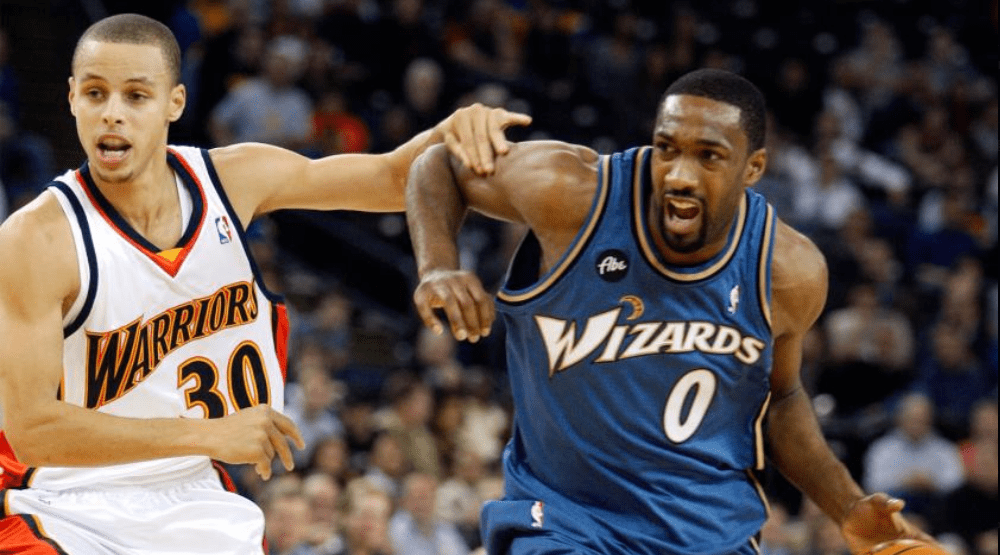
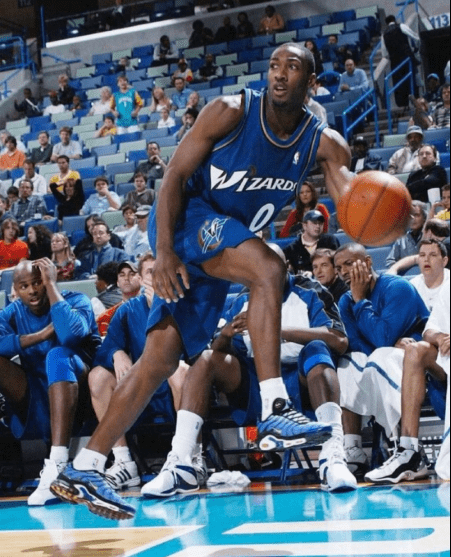
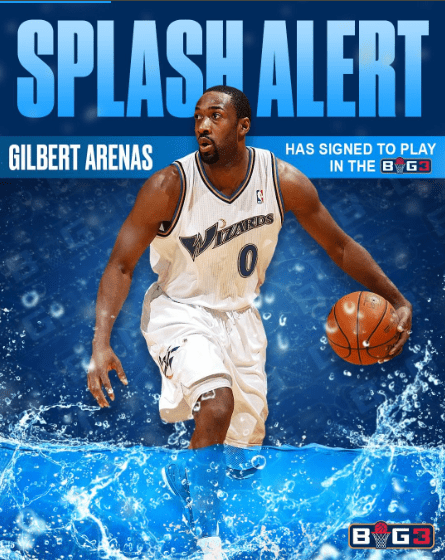
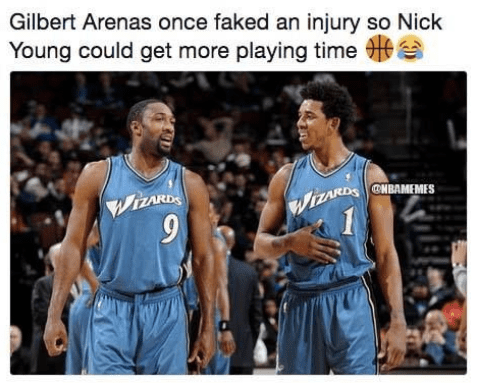
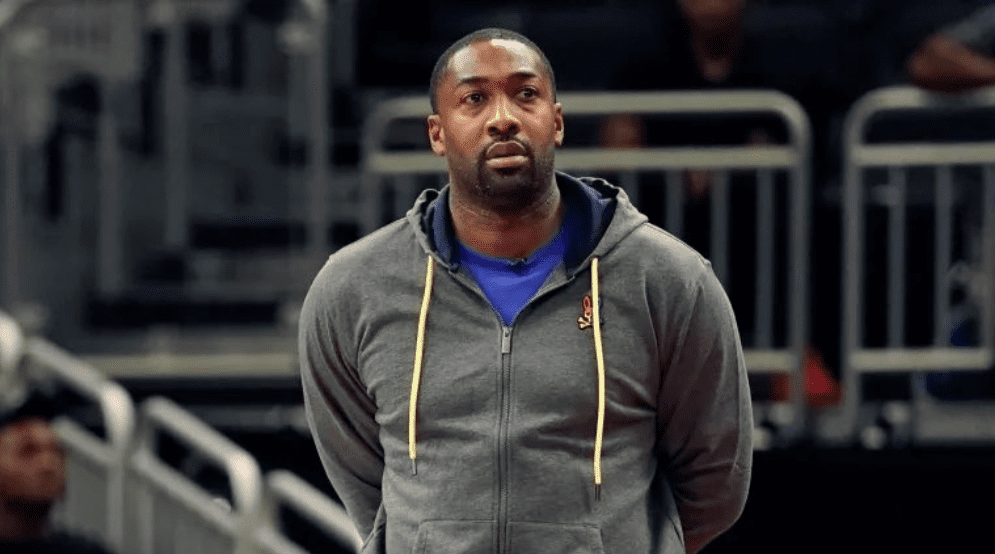
The news prompted a fiery, passionate response from former NBA star Gilbert Arenas. On his show, The Gilbert Arenas Show, Arenas didn’t just criticize the potential move; he launched a full-scale indictment of the Grizzlies’ entire competitive ethos. “It’s not a play for, ‘We’re about to make the playoffs next year and we’re about to be a contending team for the chip,'” Arenas declared. “Man, Memphis Grizzlies ain’t ever going to be no contending team for no championship.”
Arenas framed the Grizzlies’ willingness to trade Morant not as a strategic pivot, but as a surrender to mediocrity and a confession of small-market limitations. In his view, Memphis represents a category of NBA franchise content with mere participation.
“There’s certain teams out there that’s just happy enough to make the playoffs. That’s their championship,” he said, implying the team’s primary motivation is financial. The move, to Arenas, signals that for the Grizzlies, business selling tickets and maintaining a baseline of relevance comes before the ultimate pursuit of a title.
A Trail of Off Court Controversy and Injury
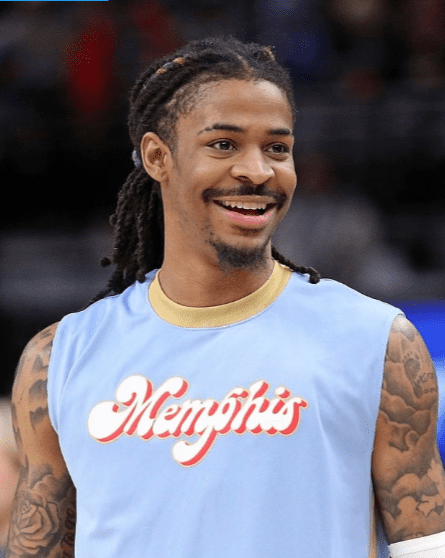
Morant’s troubles began in earnest with a series of off-court incidents, most notably a gun-related social media controversy that led to a league suspension. Just as he returned from that suspension, misfortune struck again: a season-ending shoulder injury in January 2024.

This chronic absence has placed him in what one analyst called the “Anthony Davis zone”: a player of undeniable talent whose reliability is a constant, nagging doubt for any prospective team.
On-Court Struggles and a “Sunken Cost”
When he has played in the 2025-26 season, the magic has largely been absent. Through just 18 appearances, Morant is averaging 19.0 points and 7.6 assists per game respectable numbers but a far cry from the 27.4 points he averaged at his peak. More alarming is his catastrophic efficiency.
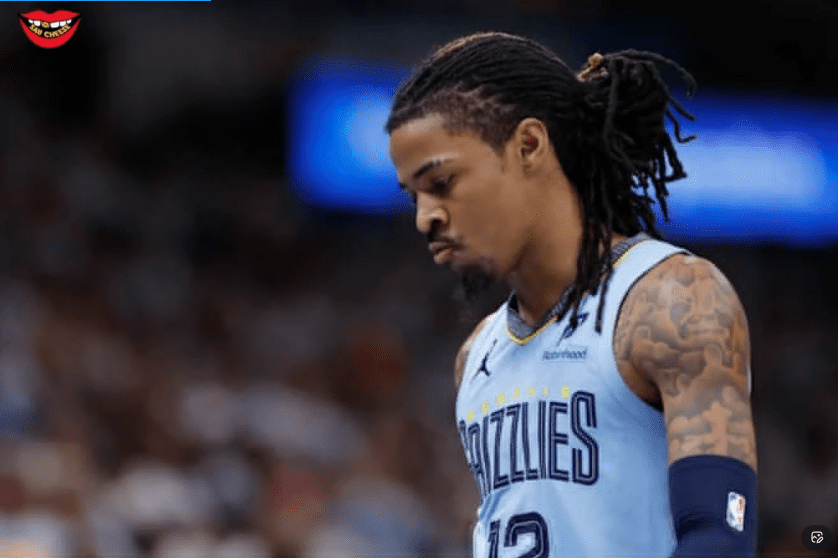
He is shooting a career-worst 40% from the field and an almost unplayable 20.8% from three-point range. For a lead guard, these are “horrific shooting splits” that make him a liability in half-court offense.
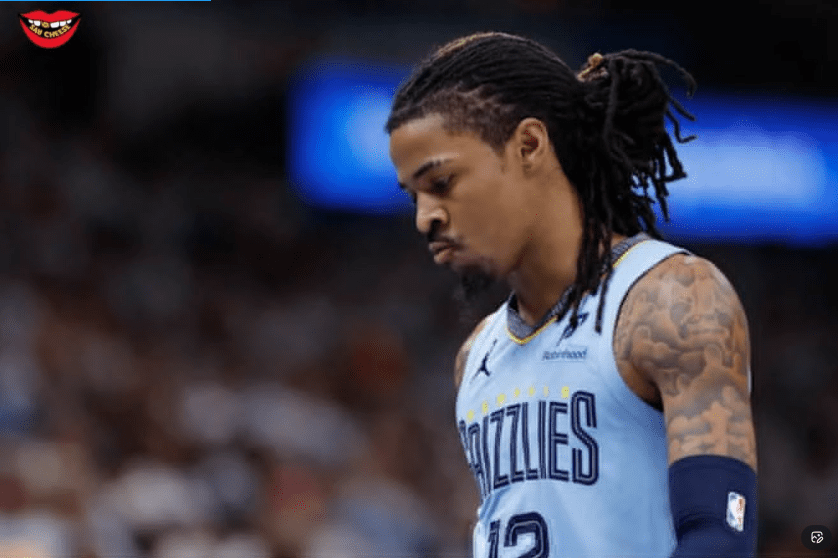
Compounding these issues is a reported, fundamental disconnect with first-year head coach Tuomas Iisalo’s offensive system. Morant’s struggle to fit into the new scheme has been “common knowledge,” creating a friction that has made the partnership increasingly untenable.
The Trae Young Precedent: A Buyer’s Market
Just days before the Morant news broke, the Atlanta Hawks traded four-time All-Star Trae Young to the Washington Wizards. The return was stunningly meager: veterans CJ McCollum and Corey Kispert, with zero draft picks included. This trade, described by insiders as a “salary dump,” sent shockwaves through the league, signaling a dramatic shift in the trade market.
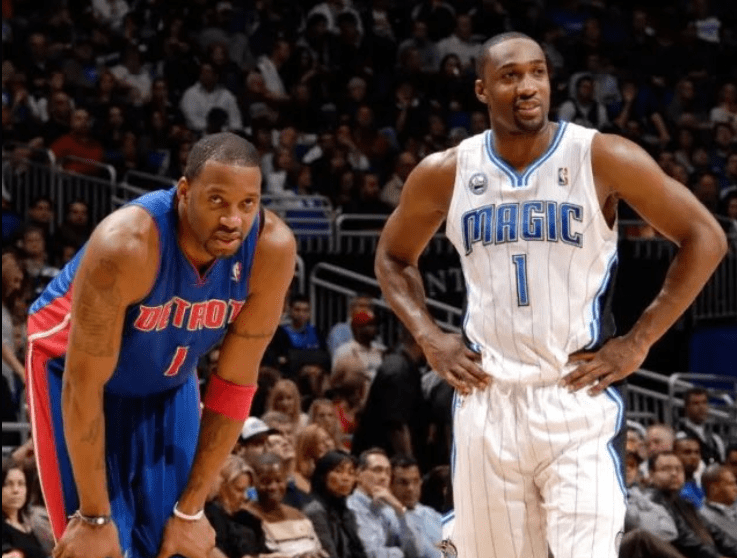
NBA analyst Chris Mannix explicitly linked Morant’s fate to Young’s. “Just like the marketplace for Trae Young dried up… I don’t think the market for Ja Morant is anything beyond matching salary and maybe some filler,” Mannix stated. The reasons for this depressed market are structural:
- Saturated Point Guard Market: Nearly half the league has an established, high-paid star at the point guard position, from Luka Dončić and Steph Curry to Tyrese Haliburton and Shai Gilgeous-Alexander. The demand for another max-salary guard is inherently limited.
- Drained Assets: The frenzied trading of recent years, which saw stars like Donovan Mitchell and Rudy Gobert fetch massive hauls, has left many teams without the draft capital or young players to make a competitive offer. Eleven teams cannot even trade their 2026 first-round pick due to league rules.
- The Reliability Factor: Teams are increasingly risk-averse. Investing foundational assets in a player with Morant’s combination of injury history, off-court baggage, and current poor performance is seen as a prohibitive gamble.

Potential Suitors: A Short and Complicated List
Given these constraints, the list of realistic destinations for Morant is short. Analysts have whittled it down to a few teams with a potential need and the means to make a deal: the Brooklyn Nets, Chicago Bulls, Miami Heat, and Dallas Mavericks.
- Brooklyn & Chicago: Both are teams in need of a star to build around, but neither presents an immediate path to contention, which may not appeal to Morant.
- Miami Heat: A perennial contender known for its culture, Miami could be a fascinating fit if they believe they can harness Morant’s talent. They have been mentioned as a suitor.
- Dallas Mavericks: With Kyrie Irving aging and coming off an ACL injury, Dallas could see Morant as a long-term backcourt partner for Luka Dončić, though the fit and timeline are complex.
Other teams, like the Sacramento Kings and Minnesota Timberwolves, have been linked with “sleeper interest,” but are hamstrung by salary cap restrictions that make a deal nearly impossible to construct. As one insider noted about the Kings, their interest is “lukewarm at best,” as they view their needed rebuild as deeper than what one Morant trade could fix.
Conclusion: A Legacy of “What If”
Gilbert Arenas’s blistering critique, while emotional, touches on a painful nerve for the Memphis fanbase. The trade of Ja Morant would represent the final, sorrowful punctuation on one of the most promising and ultimately unfulfilled eras in franchise history. It’s a story of breathtaking highlights and profound disappointments, of a superstar’s rise and his stunningly fast fall.
For the Grizzlies, the move is a brutal but necessary business decision, an attempt to salvage a future from the wreckage of a broken partnership. For Ja Morant, it is a chance at a desperately needed fresh start, albeit with his value at an all-time low. And for the NBA, the saga of Morant and Young serves as a stark lesson: in today’s league, transcendent talent alone is not enough.
Availability, accountability, and adaptability are the currencies of sustained success, and without them, even the brightest stars can see their markets crash. The Grizzlies aren’t just trading a player; they are closing the book on a “what if” that once felt like a certainty, and beginning a new, uncertain chapter without the face of their franchise.