THE BEHIND THE SCENES WAR YOU DON’T SEE
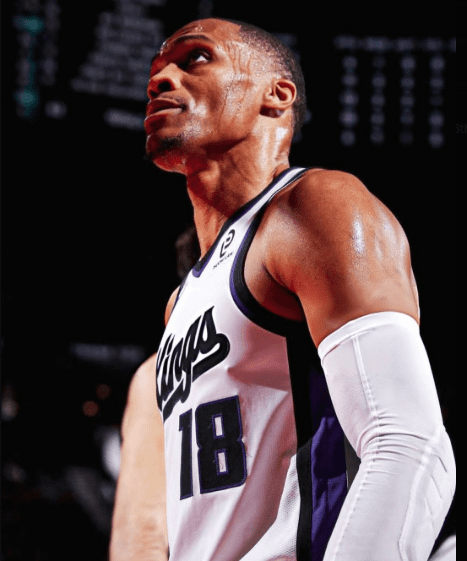
The final buzzer had sounded in spirit long before it actually did on the scoreboard. With the Sacramento Kings down 23 points to the Los Angeles Lakers, only the most dedicated or antagonistic fans were still paying attention in the closing minutes.
For Russell Westbrook, seated on the bench after being subbed out, the game wasn’t over. It was just beginning.
With 1 minute and 52 seconds left on the clock, a fan at courtside decided to deliver a final taunt. He called Westbrook “Westbrick.” The veteran guard, who has publicly declared this nickname a shameful insult to his family, immediately reacted. He pointed out the fan to security, and moments later, the fan was escorted out of Crypto.com Arena.
This wasn’t an isolated meltdown. It was the latest battle in a decade long war Westbrook has waged against fans who cross the line from heckling into personal disrespect.
WHAT IS IT ABOUT THIS ONE NICKNAME THAT TRIGGERS AN NBA SUPERSTAR SO DEEPLY? The answer goes far beyond basketball, touching on legacy, family, and a man’s willingness to defend his name at any cost. As one analyst put it, this has become “the endless cycle of Russell Westbrook being a target for boorish fans”.
BEYOND THE BRICK: WHY “WESTBRICK” IS THE ULTIMATE INSULT
To casual observers, “Westbrick” is a playful jab at a superstar’s occasional shooting struggles. For Russell Westbrook, it is a direct attack on everything he holds sacred.
He has explained this repeatedly and emotionally. “‘Westbrick’ for example, to me, is now shaming,” Westbrook said in 2022. “It’s shaming my name, my legacy for my kids. It’s a name that means, not just to me, but to my wife, to my mom, my dad, the ones that kind of paved the way for me”.
This isn’t just player sensitivity. His wife, Nina, has taken to social media to defend their family name, calling the persistent use of the nickname “disheartening” and “hurtful”. Westbrook has even directly challenged media personalities like Skip Bayless, daring them to say it to his face.
THE LINE BETWEEN FAN AND FOE HAS BEEN IRREVOCABLY CROSSED. What fans see as part of the game, Westbrook sees as a violation. His stance is clear: criticize his play, but do not disrespect the name on his back. That name represents generations, and he has vowed to “stand on it” and protect it.
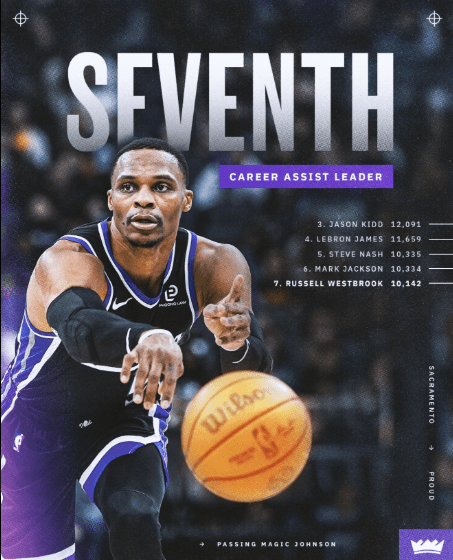
BUT IF HE REACTS EVERY TIME, DOESN’T THAT JUST ENCOURAGE MORE TROLLS? This is the painful paradox Westbrook lives with. By defending his honor, he gives the hecklers exactly what they want: a reaction, a viral moment, and a story to tell.
A DECADE OF CONFLICT: THIS IS NOTHING NEW
Sunday’s ejection was not an anomaly. It’s a pattern stretching back over ten years and across more than half the NBA’s arenas. A brief history shows this is a chronic issue:
- 2013 in Atlanta: Westbrook and teammate Kevin Durant had to be held back by security during a heated exchange with a fan.
- 2018 in Denver: Westbrook shoved a fan who came onto the court to taunt him.
- 2019 in Utah: Fans received a lifetime ban for “excessive and derogatory verbal abuse” aimed at Westbrook, who was also fined.
- 2021 in Philadelphia: A fan threw popcorn on Westbrook as he walked off the court.
- 2023 in Memphis: Westbrook attempted to have a fan ejected for simply saying “Westbrick” one time.
The incident in Memphis is particularly revealing. The fan, Benjamin Orgel, claimed he said nothing else. “All I said was ‘Westbrick,'” he recounted. Security investigated and allowed him back to his seat. This shows that even the mildest invocation of the nickname is enough for Westbrook to call for an ejection.
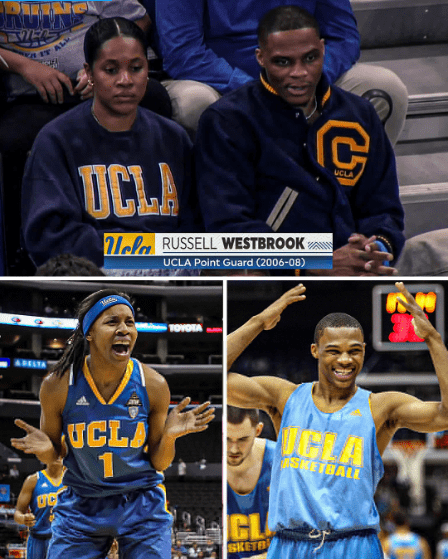
THE COMMON THREAD ISN’T THE CITY OR THE TEAM. IT’S THE MAN. Westbrook’s intense, uncompromising style of play seems to invite intense, uncompromising criticism from a certain segment of fans. He acknowledges that earlier in his career, he might have let more slide. Now, as a father, his tolerance is gone. He feels an obligation to set an example and defend what his name means to his son.
THE NBA’S IMPOSSIBLE DILEMMA: PROTECTING PLAYERS VS. ENTERTAINING FANS
The league finds itself in a bind. Fans are paying customers who create atmosphere, but players are employees who deserve a work environment free from harassment.
The NBA has a fan code of conduct, and teams do eject patrons for abusive behavior. However, enforcement is inconsistent and subjective. Is calling a player a derisive nickname “abusive”? To Westbrook, absolutely. To a fan buying a $500 ticket, it might feel like part of the show.
SO, WHAT’S THE SOLUTION? Some argue for stricter, zero tolerance policies and lifetime bans to deter bad actors. Others believe the solution lies in cultural change, with the league and media refusing to amplify these confrontations, thus removing the trolls’ reward.
Westbrook himself seems resigned to the cycle. “Fans think they can say whatever they want,” he said recently. “I’m just protecting myself. That’s about it”. He has asked the NBA if rules need to change but admits he isn’t sure what the answer is.
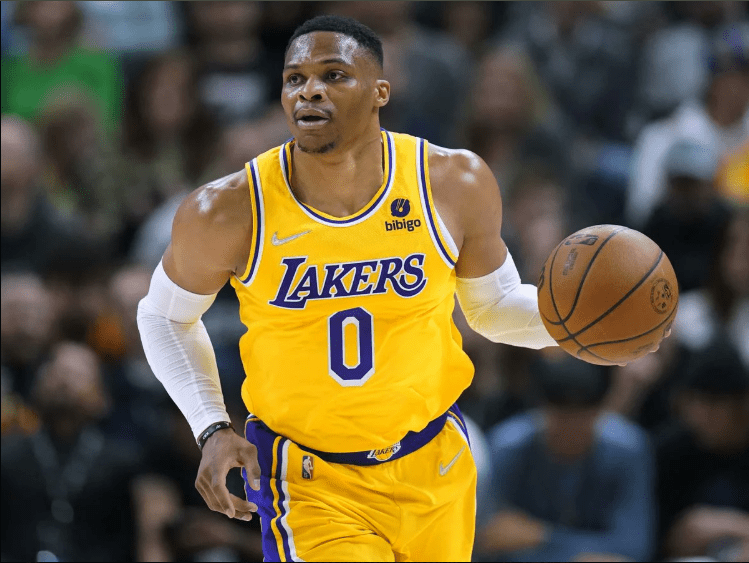
THE UNCOMFORTABLE TRUTH IS THAT THERE MAY BE NO PERFECT ANSWER. As long as Westbrook is on the court, his fiery persona will draw fire. And as long as he feels his family’s legacy is under attack, he will fire back. The ejections will continue. The headlines will follow.
THIS IS THE MODERN NBA’S UNTAMABLE CONFLICT: A STAR’S RIGHT TO RESPECT VERSUS A FAN’S PERCEIVED RIGHT TO ROAST. And in the dying minutes of a blowout game, that conflict found its latest flashpoint.
Where do you draw the line? Is “Westbrick” fair game, or is it a step too far in player heckling?